Canada marks the National Day for Truth and Reconciliation each year on Sept. 30. It is a day dedicated to honouring residential school survivors, remembering the children who never made it home and acknowledging the ongoing impacts of colonial policies on First Nations, Inuit and Métis peoples. Across the country, individuals and organizations take part in acts of remembrance, education and community participation, reaffirming that every child matters.
For the Canadian Forage and Grassland Association (CFGA), this day is an important reminder that reconciliation is not separate from our work in agriculture, conservation and community partnerships. It is woven into how we build relationships, share knowledge and support Indigenous-led stewardship across Canada’s grasslands. As we approach this day, we reaffirm our commitment to listening, learning and walking this path with intention.
A Time for Learning
Many Canadians use the National Day for Truth and Reconciliation to deepen their understanding of Indigenous histories, cultures and perspectives. A range of public resources supports this learning, from information on Indigenous Peoples to the history of residential schools and the practice of reconciliation. This learning is essential for building respectful, long‑term relationships, something foundational to sustainable land stewardship.
To support this learning, the National Centre for Truth and Reconciliation offers thoughtful information, events and learning resources, including a full week of lunch-and-learn sessions designed to support deeper understanding and reflection.
Additional resources are also available through the RAD Network, a CFGA partner in the Grassland Learning and Knowledge Hub (GLKH) project, which shares tools and information to support continued learning and engagement.
What this means for the forage and grassland sector
Grasslands have been cared for by Indigenous Peoples for millennia. Their knowledge systems, cultural practices and land-based teachings continue to shape how ecosystems function today.
For the CFGA and its partners, reconciliation includes:
Recognizing Indigenous leadership in conservation and land management
Creating space for Indigenous voices in agricultural and environmental decision-making
Supporting collaborative projects that honour traditional knowledge and scientific innovation
Building trust-based relationships with Indigenous communities across Canada
These commitments strengthen our shared work to protect and restore Canada’s grasslands.
Moving forward together
Reconciliation is not a single day. It is an ongoing commitment. As we mark the National Day for Truth and Reconciliation, the CFGA encourages everyone in the forage and grassland community to reflect on how we can contribute to a future grounded in respect, learning and shared stewardship.
Members of the forage and grassland community can take part in this day through thoughtful actions:
Wear an orange shirt to show solidarity
Attend local events or ceremonies
Spend time learning from Indigenous-led organizations
Reflect on how reconciliation can shape your work and relationships
Support Indigenous voices in land stewardship conversations.
Together, we can help ensure that every child matters, every community is heard and every step forward strengthens our collective path toward reconciliation.
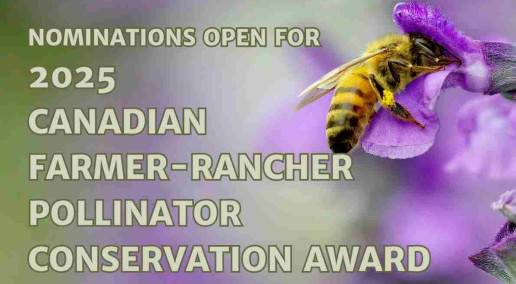
Nominations close July 1 for 2025 Farmer-Rancher Pollinator Award
June 9, 2025
The Canadian Forage and Grassland Association (CFGA), Canadian Federation of Agriculture (CFA) and Pollinator Partnership (P2) are seeking nominations for the Farmer-Rancher Pollinator Conservation Award.
Read Article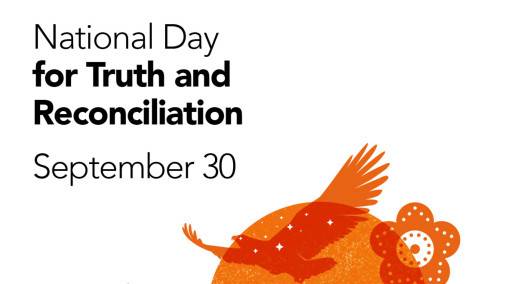
Leave a Comment