
Site Background
Touchwood_Hills_Demo_Info_Sheet_-_SK
About the Location
Touchwood Hills Conservation Ranch (THCR) is located within the Aspen Parkland ecoregion approximately 110 kilometres northeast of Regina, Sask.
This area is characterized by rolling topography with deep natural wetlands and spring-fed water sources. Native vegetation consists of tall grasses such as rough fescue, slender wheatgrass and western porcupine grass. Trembling aspen, cottonwood and tall thicket shrubs provide natural windbreaks for livestock and capture snow through the winter months to contribute to spring moisture. Black chernozem soils and grey luvisols typical of treed forest habitat predominate.
Annual precipitation averages 400 to 500 mm. While most precipitation falls between May and September, the region receives more snowfall than more southerly portions of the province. Temperatures average 15⁰C in summer and -12.5⁰C in winter.
About the Farm
THCR is a 6400-acre working ranch owned by Ducks Unlimited Canada (DUC), encompassing 3000 acres of tame perennial grasses and legumes, 2400 acres of wetlands, and 1000 acres of aspen woodland. While there are several cattle operations in the area, the demand for cultivated cropland has resulted in loss of perennial stands. In addition, a gravel seam along an area creek bed has resulted in loss of native vegetation to excavation. These competing land uses make THCR an important site for ranching and wildlife communities alike.
Learning About Rotational Grazing
At THCR, pastures are grazed annually in rotation with a mix of cow-calf pairs and yearlings. Paddocks are fenced quarter sections, each grazed once or twice each season. DUC was interested in demonstrating an advanced grazing system in which cattle would be moved more often in smaller paddocks. It was felt that this approach provides the most opportunity to landowners and is in keeping with current best practice in the livestock industry.
Virtual fencing technology (VF) provides an alternative to traditional cross-fencing. DUC was interested in demonstrating how VF collars work in the hilly THCR landscape and whether they can be relied upon to extend the grazing season through winter. Controlling livestock access to winter feed, such as swaths, corn, or bales, becomes challenging when fencing into snow and frozen ground. Winter feeding cattle on pasture adds valuable nutrients, increases soil organic matter, improves soil moisture retention, and reduces fertilizer needs. This helps build a pasture that is healthier and more productive in the summer.
Learning About Virtual Fencing
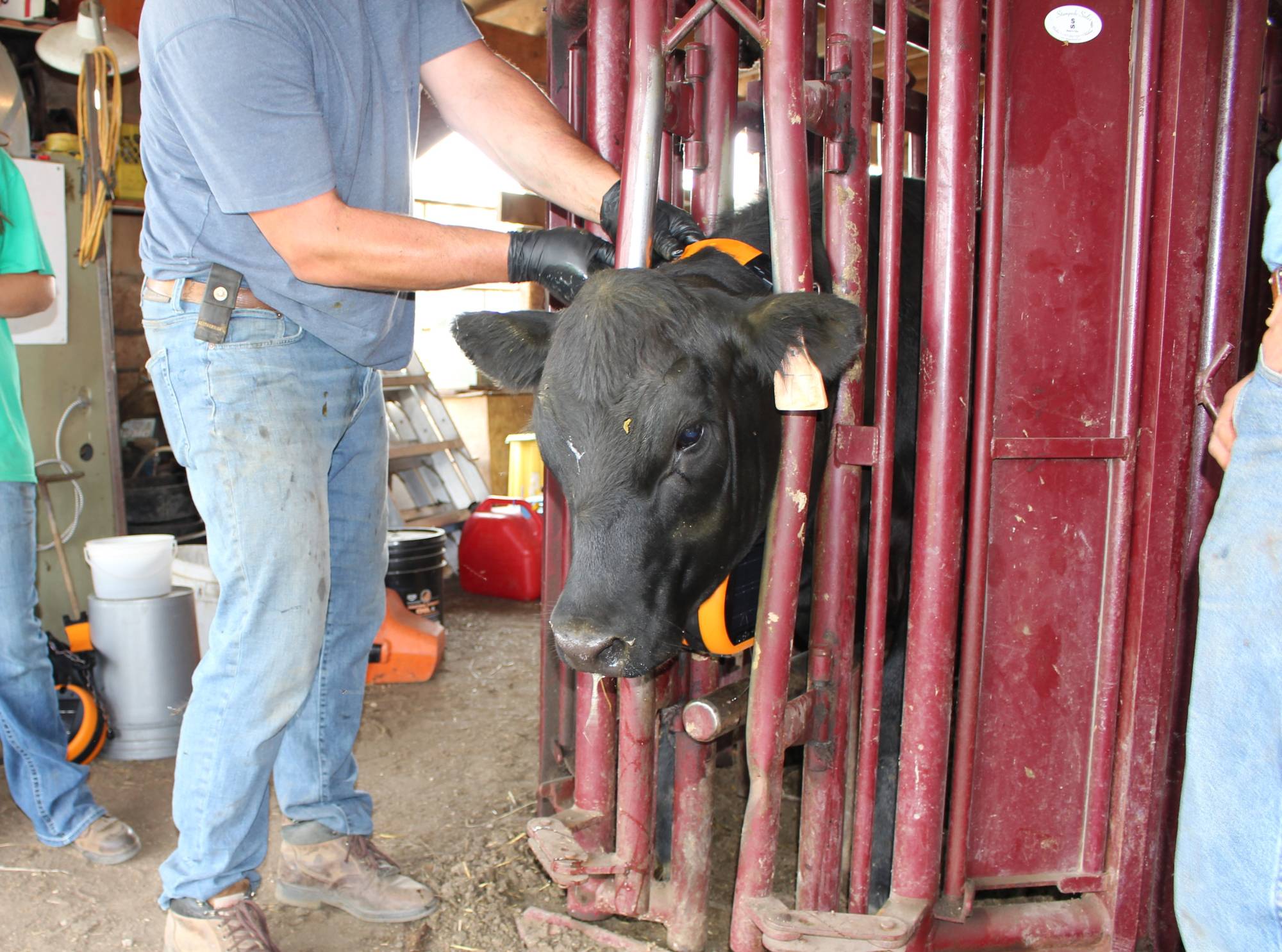
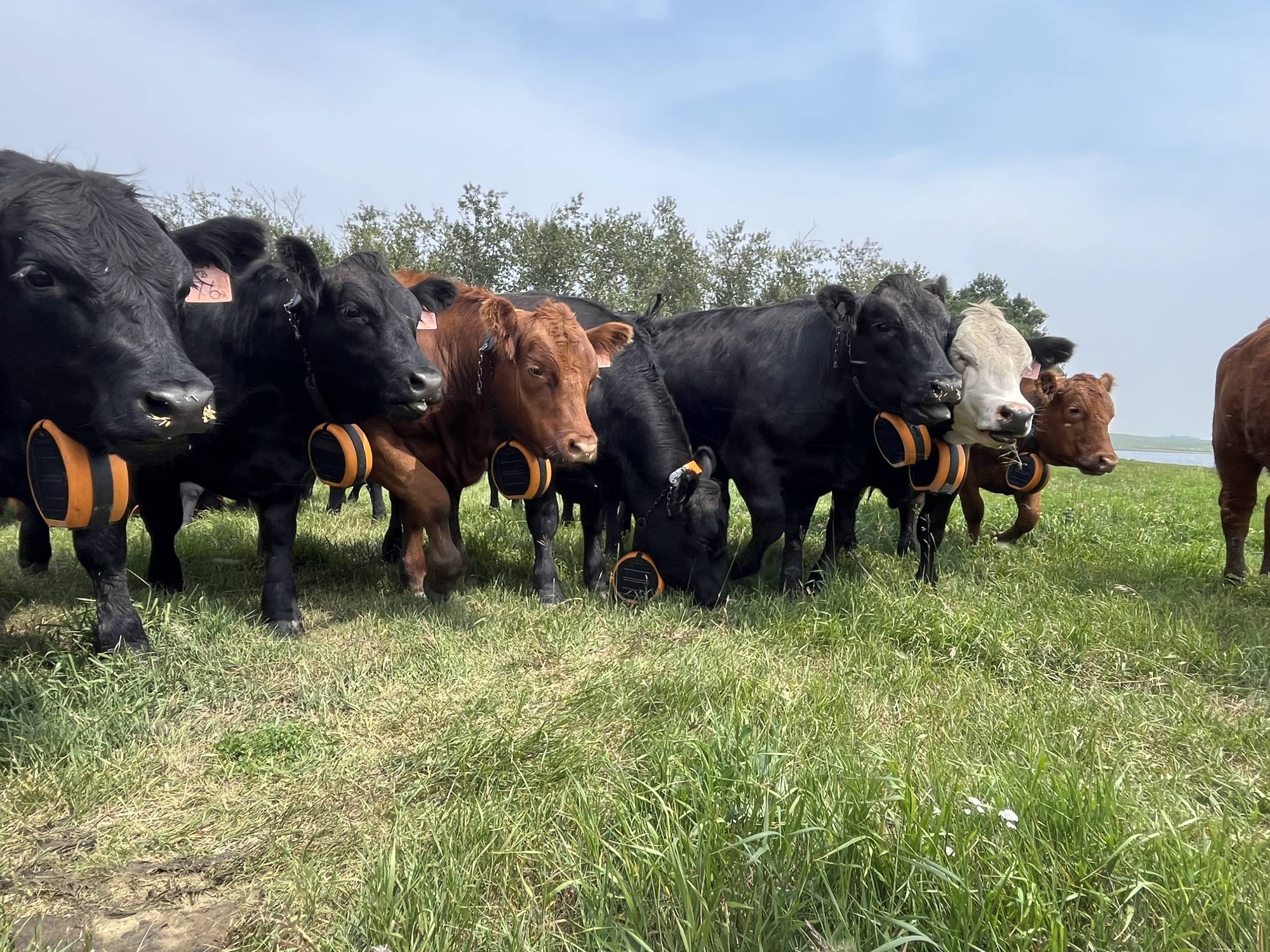
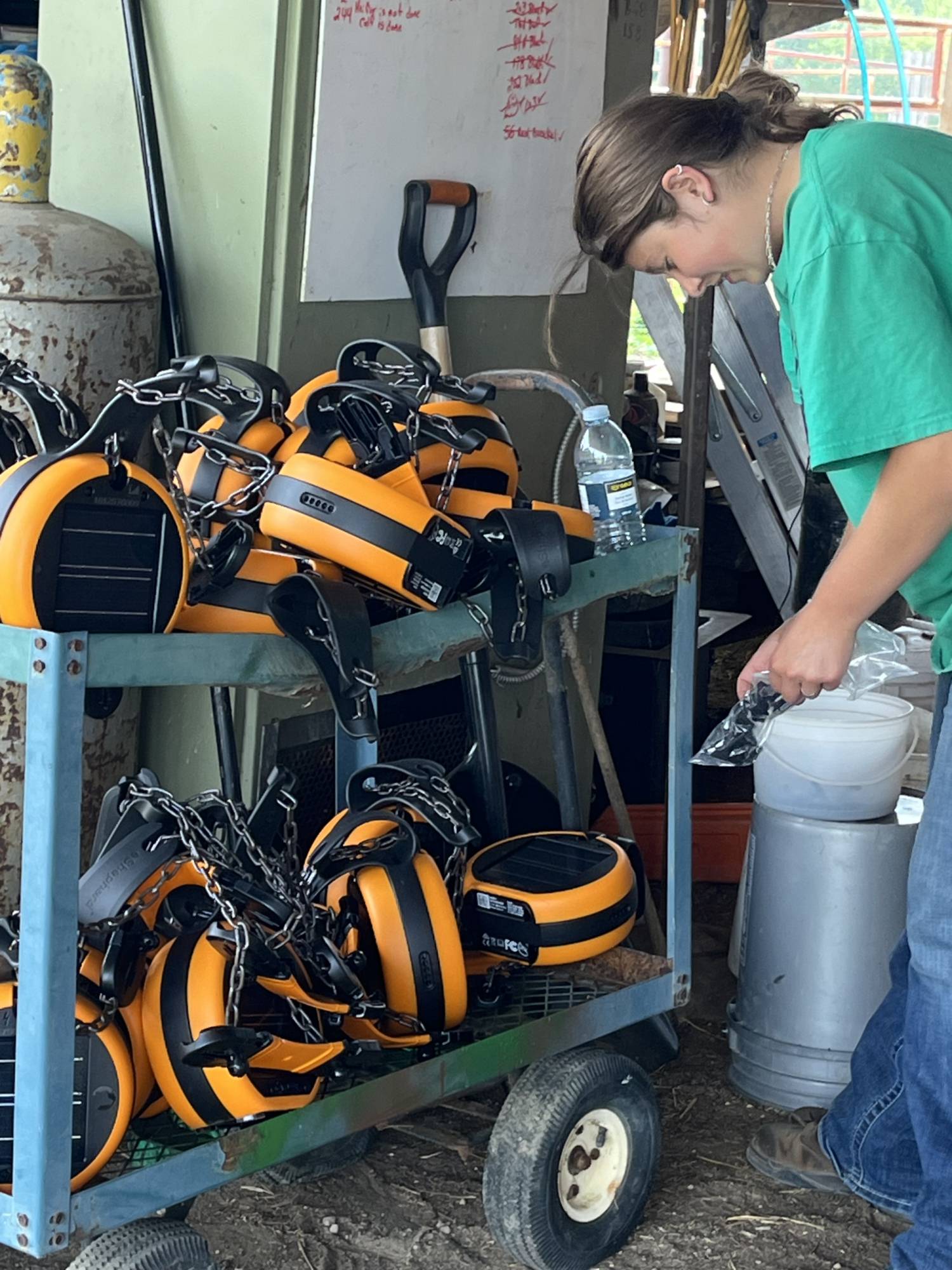
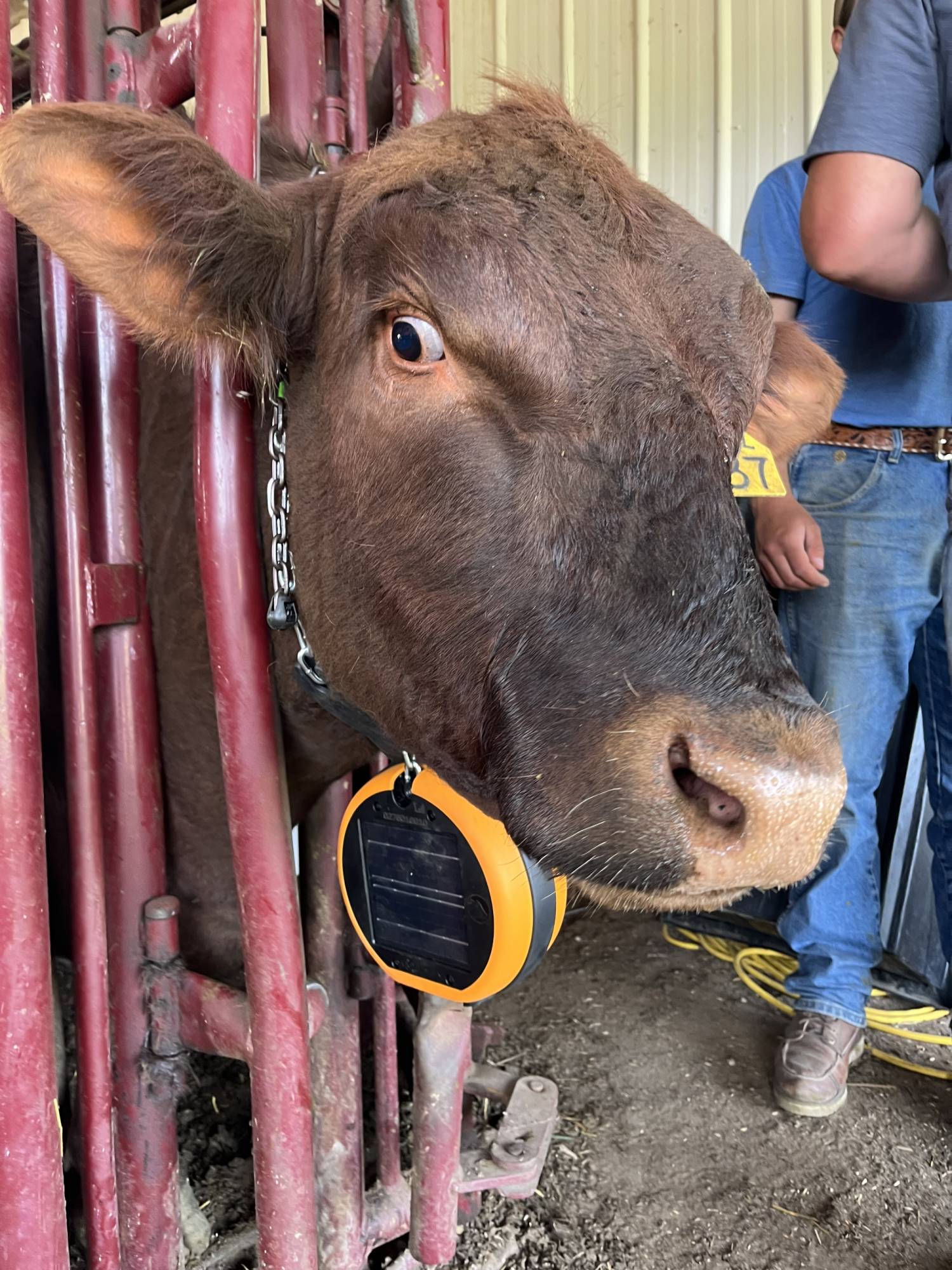
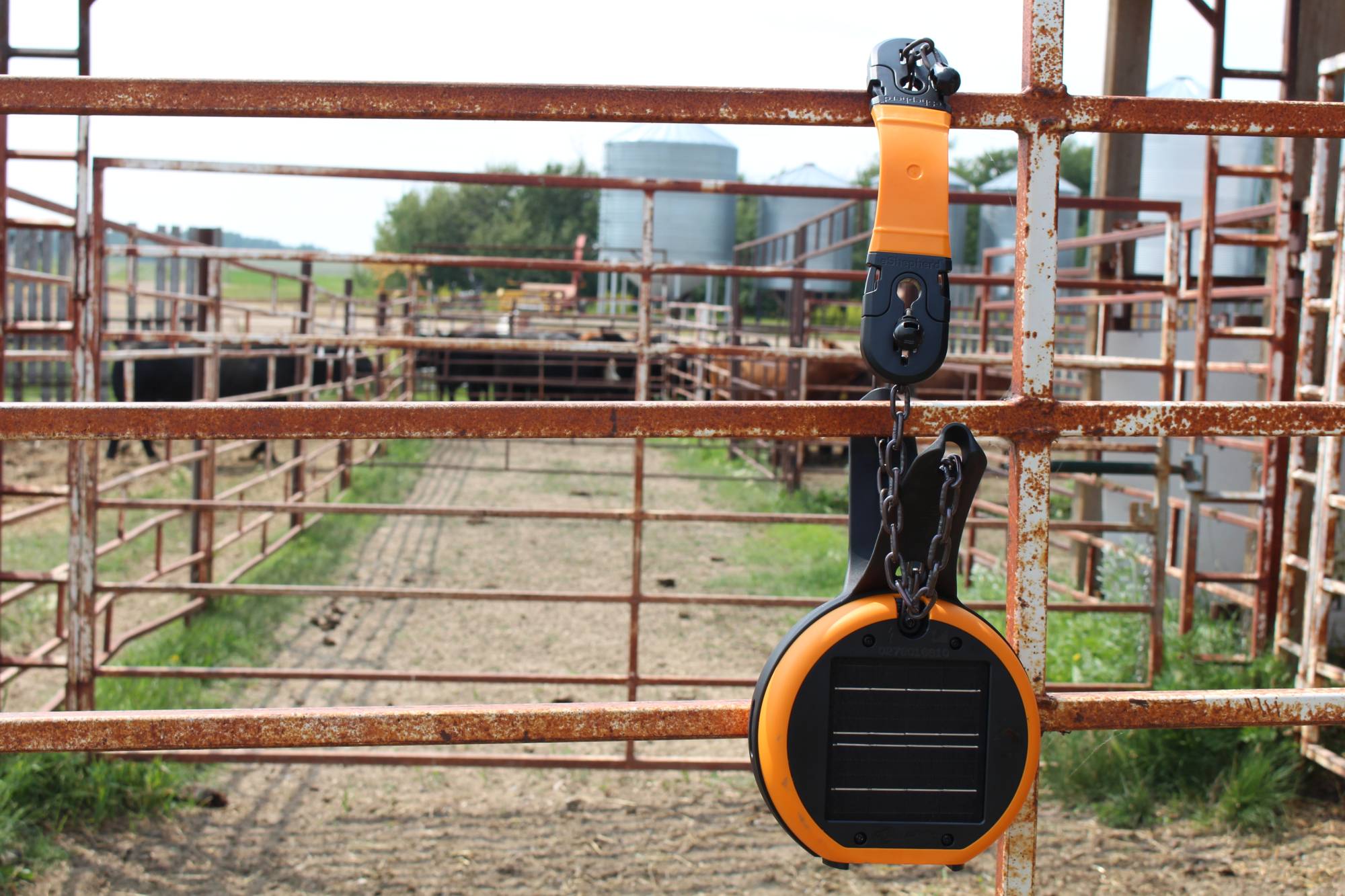
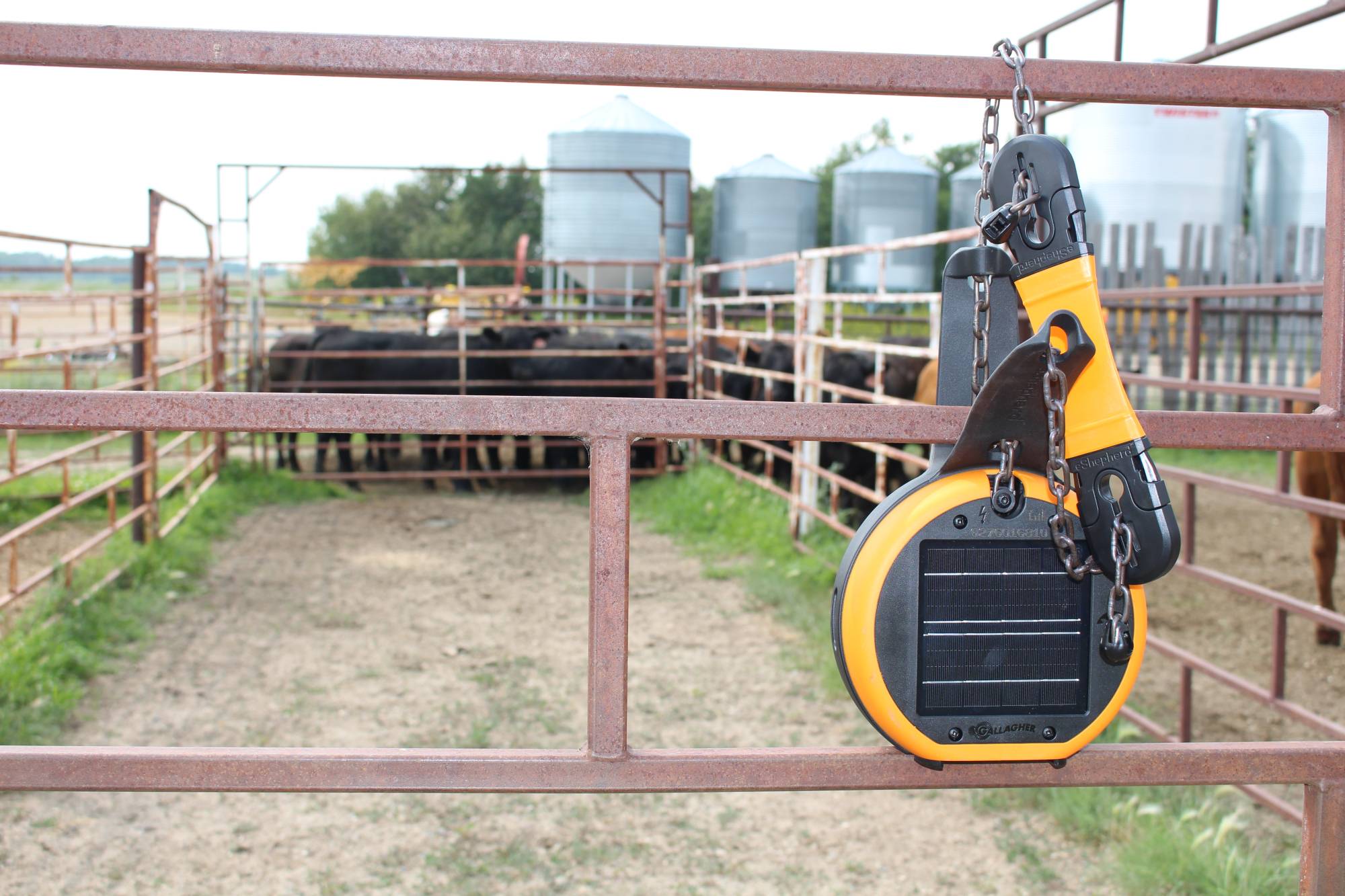
A virtual fence is created in the eShepherd Web Application and sent to the animals’ collars via cellular network. Animals wearing the eShepherd collar are trained to understand and stay within virtual boundaries. When an animal approaches the fence, the collar emits an audio cue (beep). If the animal ignores the cue and continues towards the fence, the collar delivers an electric pulse. eShepherd cues are automated, predictable, and avoidable so animals quickly learn to respond to the audio cue alone.
With support from Canadian Forage and Grasslands Association (CFGA), DUC made plans to demonstrate Gallagher’s eShepherd virtual fence technology in the THCR area.
The Rotational Grazing Objective
DUC partnered with Canadian Forage and Grassland Association (CFGA) to develop a multi-paddock project on 300 acres of tame pasture. Working together with a producer partner, a grazing plan and map were developed; fencing was completed and the site was ready for the demonstration project to launch in June 2023.
Agronomic Details
The project site had been seeded to a mix of alfalfa, meadow brome and crested wheatgrass 25 years prior. Despite its age, the stand rated fair to good with alfalfa comprising roughly 15% of the biomass and dandelion being the main intruder.
It had already been permanently fenced into 40-acre paddocks. In the past, the stand was stockpiled and typically grazed late fall or early spring, then rested for the remainder of the season. During the summer months, VF collars would be employed to graze cattle in a series of smaller paddocks; this would be followed by their use to facilitate several months of winter grazing corn.
The site had been grazed annually, often twice each season, with efforts made to leave one-quarter to one-third of the overall production behind. When managed as a single 300-acre paddock, poor animal distribution and uneven use resulted. Areas around wetlands were more heavily grazed and under-grazed areas were subject to woody encroachment. Livestock focused on lush regrowth, avoiding less palatable shrubs and older legumes.
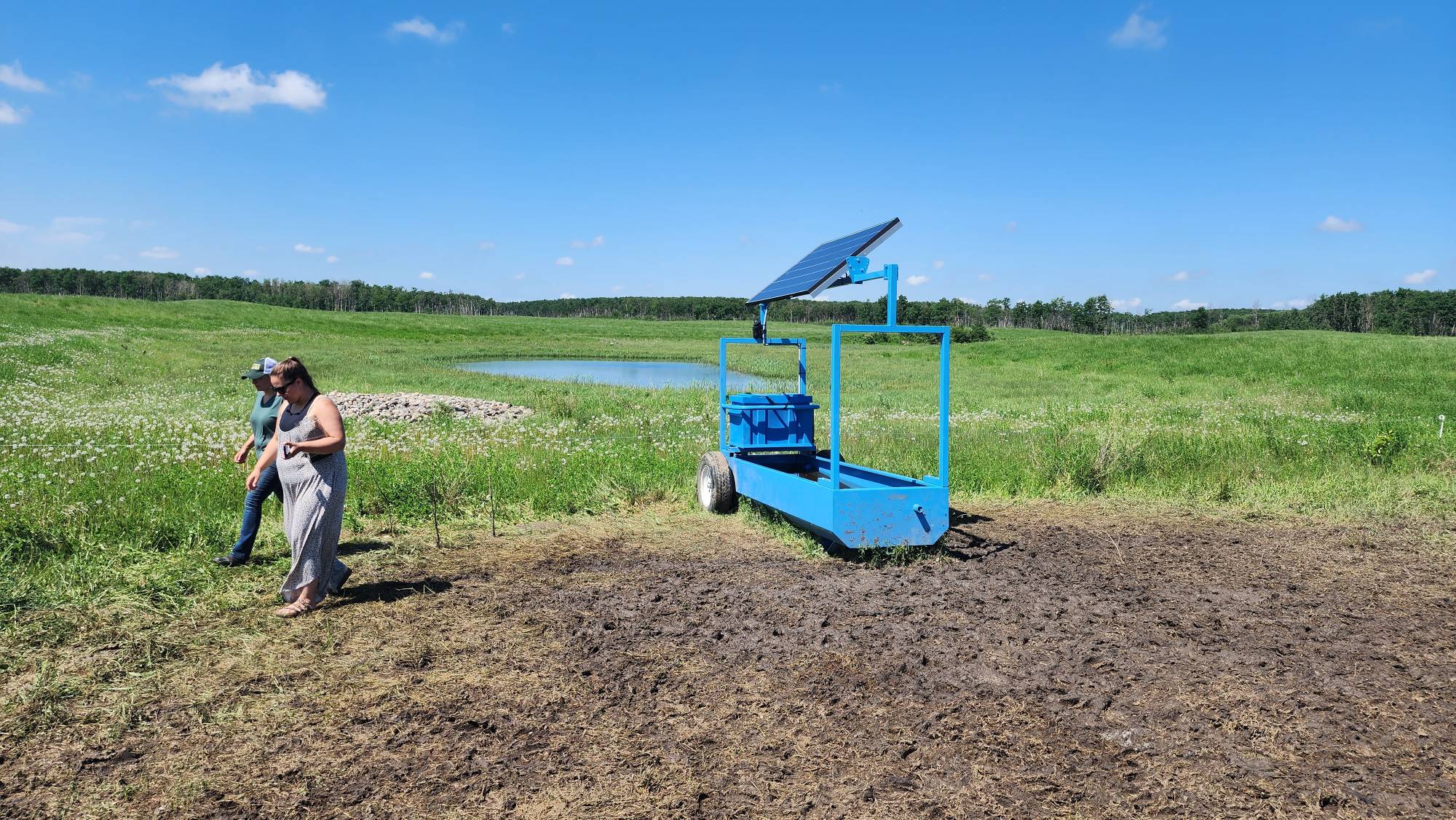
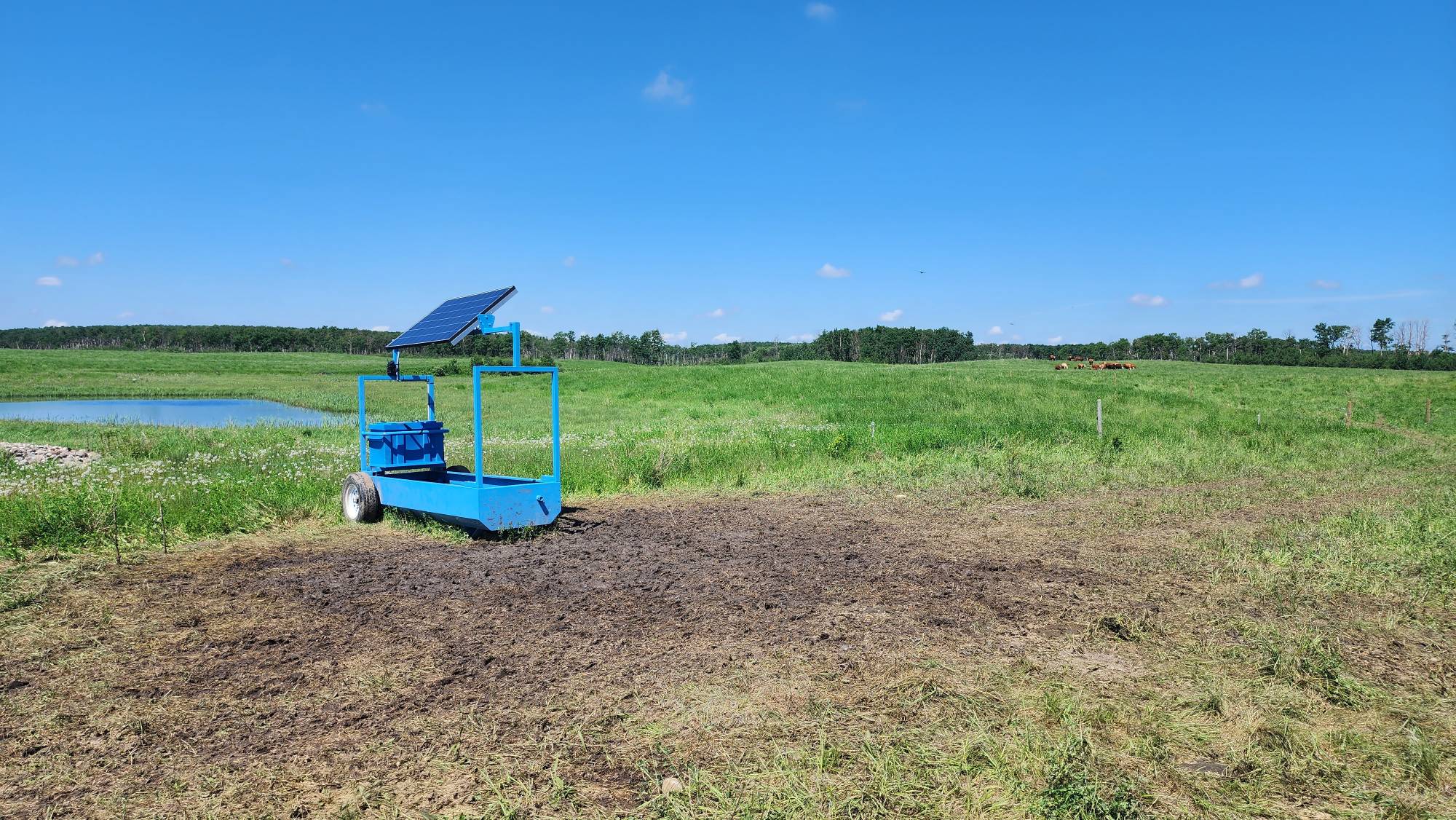
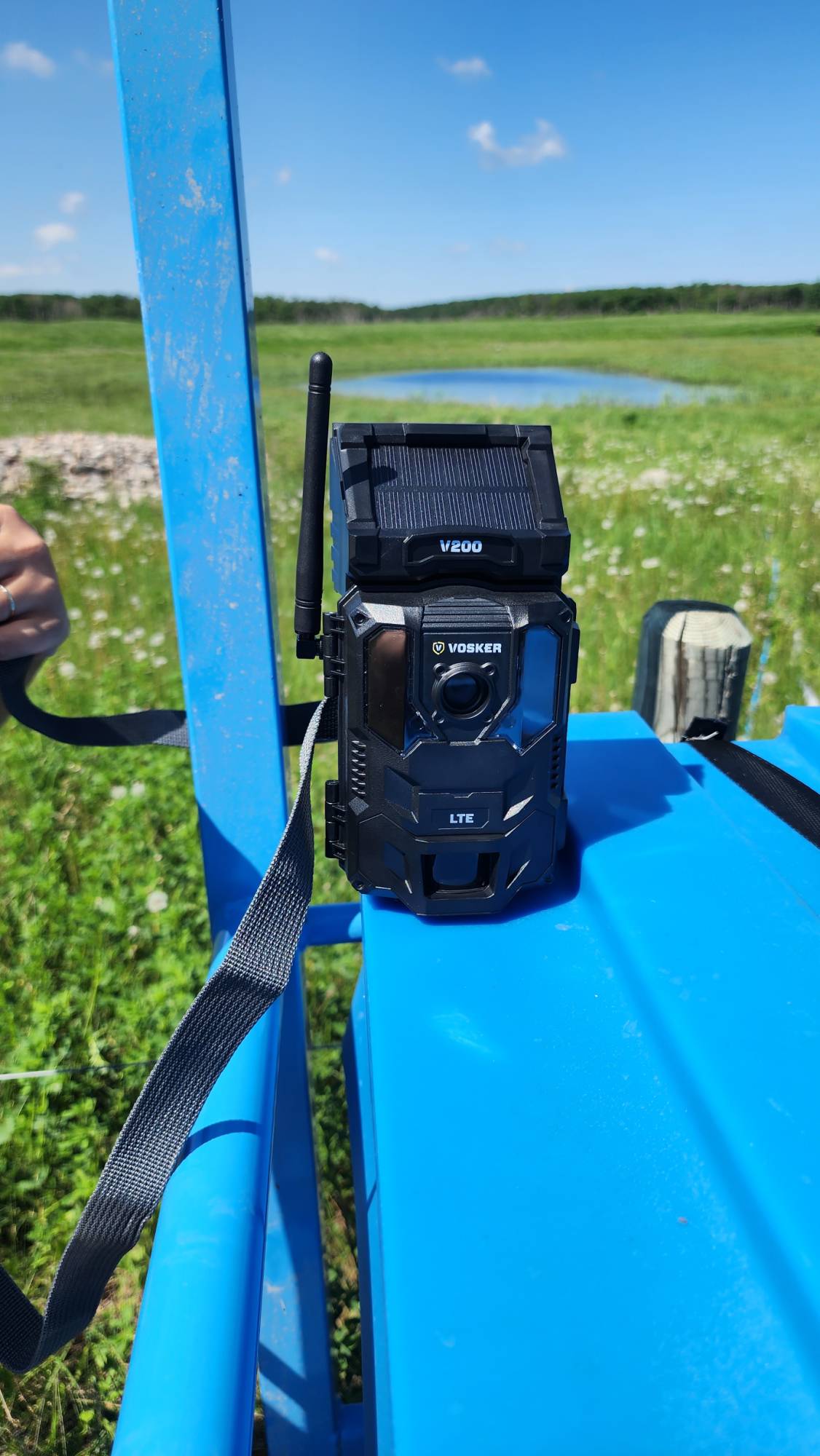
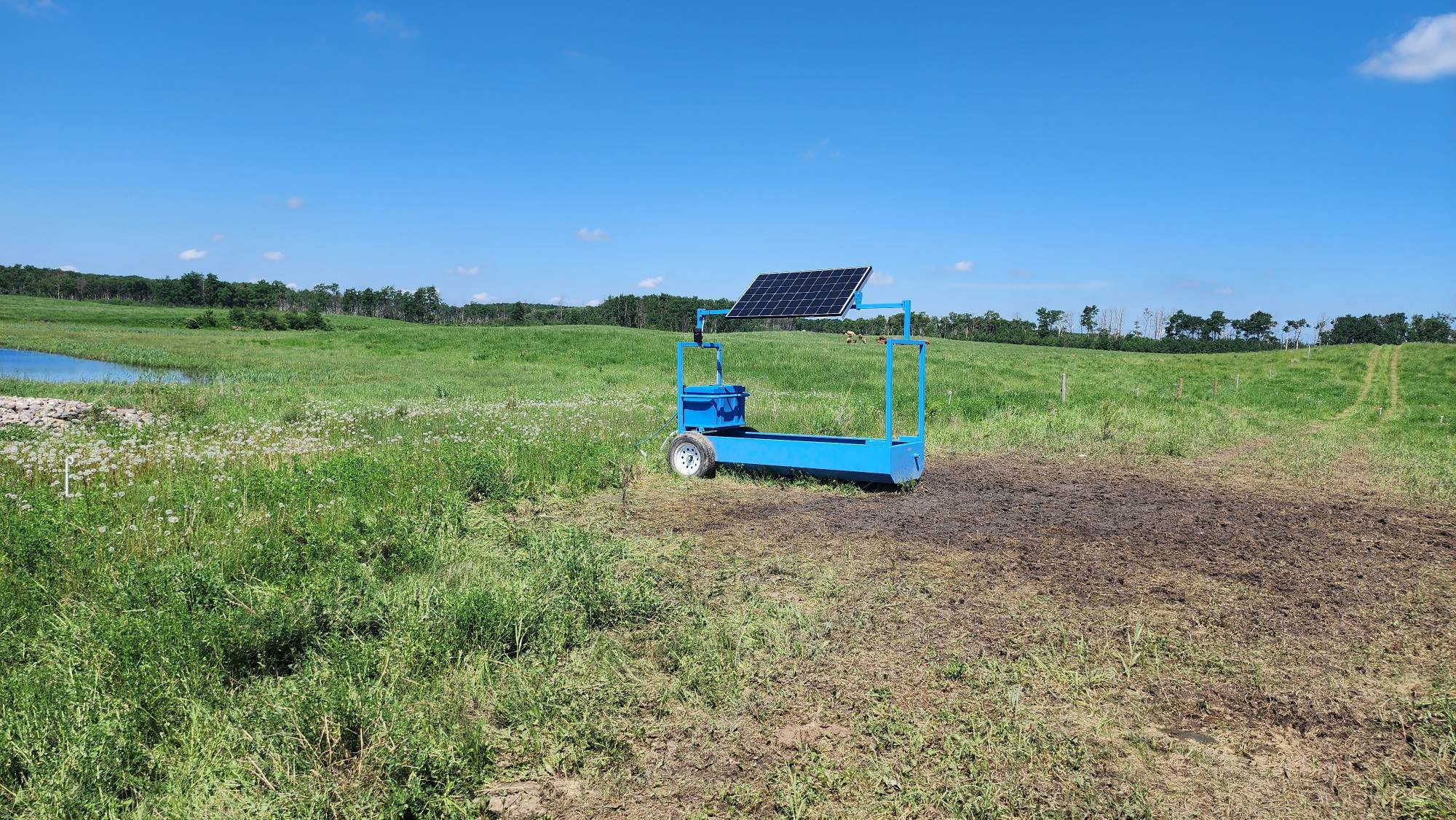
An existing four-strand barbed wire perimeter fence was in place. A large, deep, permanent wetland provided a source of livestock water with CFGA providing a portable water trough, filled by a solar-powered floating pump.
Working with a neighbouring producer to manage the herd and moves, 48 cow-calf pairs and two bulls were introduced to the new system.
Project Overview
Map
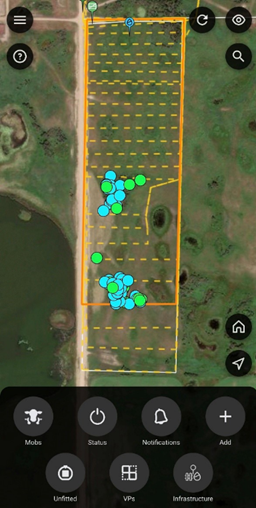
Example of mobile app screen showing current (solid orange) past, and scheduled paddocks (dashed orange).
Grazing Map and Chart
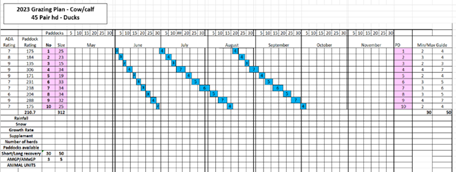
The chart below is an example of the planned movements in 2023. This grazing plan was adjusted to reflect changes in paddocks, number of animals, and time spent in each paddock.
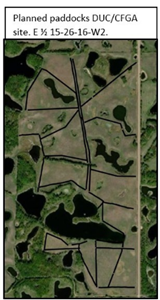
Imagery shows the planned placement of semi-permanent fencing to create multiple paddocks and access to water source.
Short-Term Goals
In the project’s first season, DUC and CFGA wanted to demonstrate the transition from an open, single-paddock pasture to a multi-paddock grazing system. Both organizations have goals to increase permanent perennial cover on the landscape; improved grazing practices will help ensure pastures remain productive. Along with increased recovery time, smaller paddocks and the portable water-system will ensure sensitive wetland and hillside areas see reduced livestock pressure. A safe, clean water source supports livestock health and removes uncertainty of late-season availability. Less palatable areas of snowberry and willows avoided in the past will now be managed with controlled livestock distribution.
DUC was interested in determining whether the eShepherd technology would work in the Touchwood Hills landscape. This included evaluating collar retention and the level of labour required to deploy them, assessing whether animals respected the VF, and if the technology was compatible with available satellite coverage and cellular networks in the area. Finally, the study investigated how the batteries performed under extreme cold temperatures and overcast winter conditions.
Long-Term Goals
The paddocks will receive adequate rest and recovery creating a more resilient forage stand. Over time, the biomass and production are expected to increase. Better livestock distribution will distribute nutrients more evenly as animals access each part of the pasture, and soil health will improve with increased litter accumulation. These factors contribute to the long-term sustainability of beef operations. From a conservation standpoint, habitat available to waterfowl and wildlife as well as the carbon sequestration potential of the soil are enhanced.
Both CFGA and DUC promote sustainable, diverse and productive grasslands. If successful, virtual fence technology can be a useful tool to manage these resources through rotational grazing. Bringing relevant information directly to the farmers and ranchers making these day-to-day decisions remains an important role for these organizations.
Project Details
Fencing paddocks using a one-strand hot wire commenced in spring 2023. A total of 16 paddocks were created following the contour of the land and water sources. An alley connects paddocks on the north portion and provides a corridor for movement and an option for the portable trough. Paddocks vary in size from 10 to 20 acres depending on the topography. Animals were to begin grazing in June and removed after 120 days. Early season moves occurred every two or three days, becoming every five days later in August.
Setting up semi-permanent paddocks and learning to guide the cattle through moves made the first year more labour-intensive. On one bush-dominanted paddock, the calves preferred the shade of the trees and resisted leaving. Movement through three paddocks on the south end of the pasture did not flow as anticipated. Overall, cattle began to anticipate the moves before long and became easier to handle, the portable water system worked well, and the producer was happy with the new system.
In 2024, problematic paddocks were adjusted to improve the movement. The bush paddock was to be used for one week during the rotation and kept until later in the season; this timing coincided with better nutrition value of the understory at that time and a change that better met the needs of the producer and their workload. With over 50% carryover in paddocks achieved during the first season, land managers and producer determined that the stocking rate could be increased to 78 pairs.
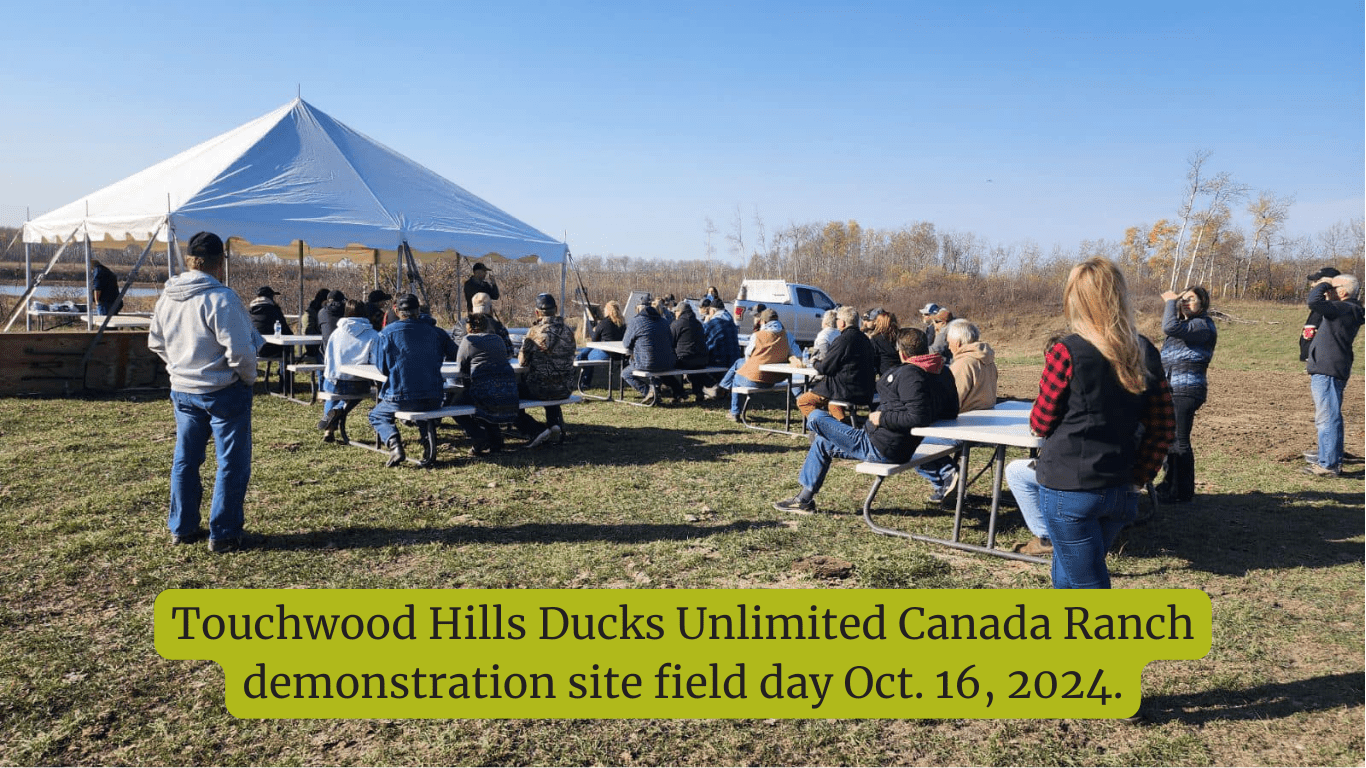
Two field days were held at the THCR featuring the project. In October 2023, 25 producers from the immediate area were invited to tour the multi-paddock system. The following season, this core group along with industry and additional producers received an update on how the grazing system performed at the two-year mark. These tours generated discussion from all parties and provided DUC and CFGA the chance to showcase programming on a field-scale level.
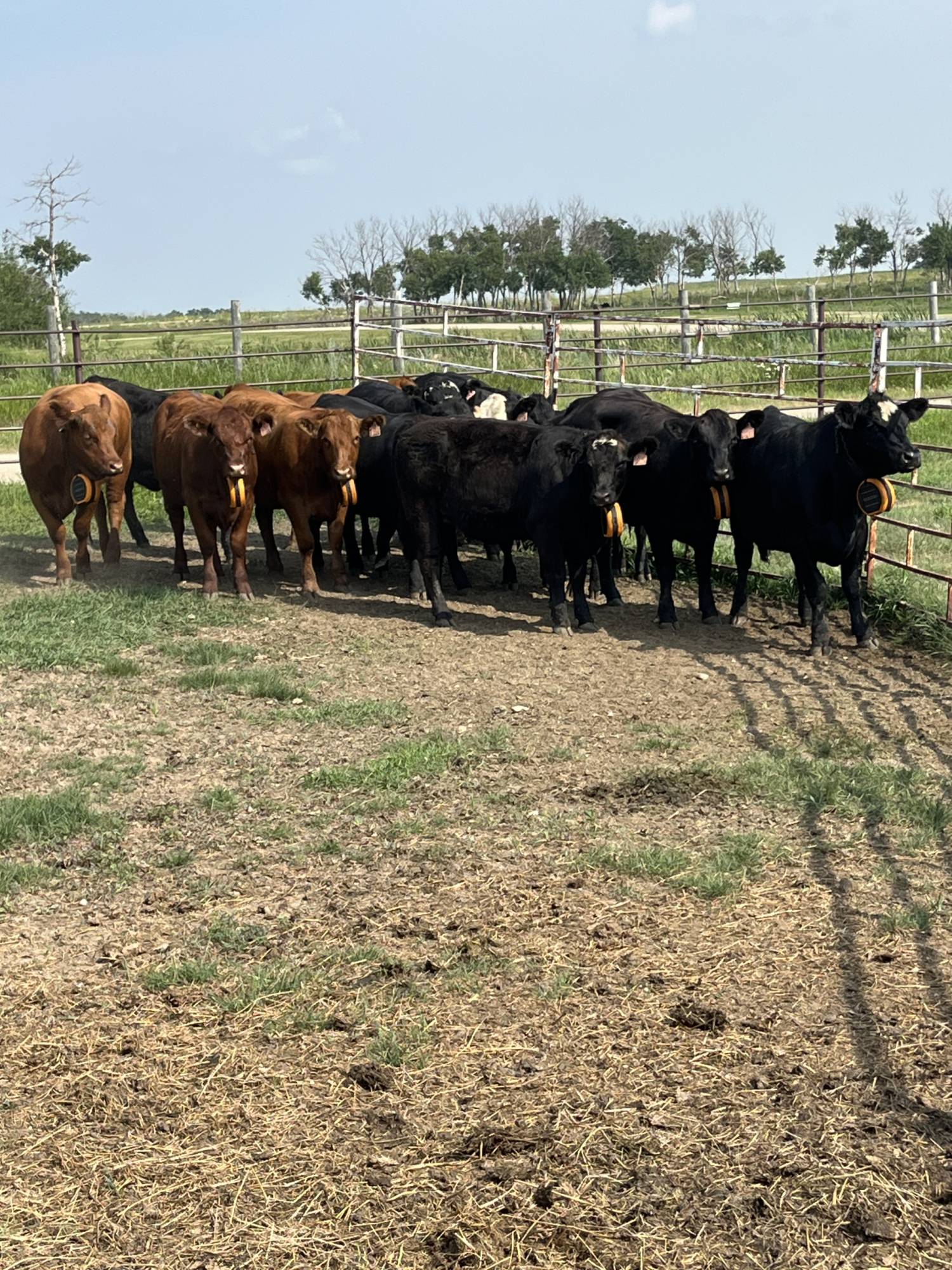
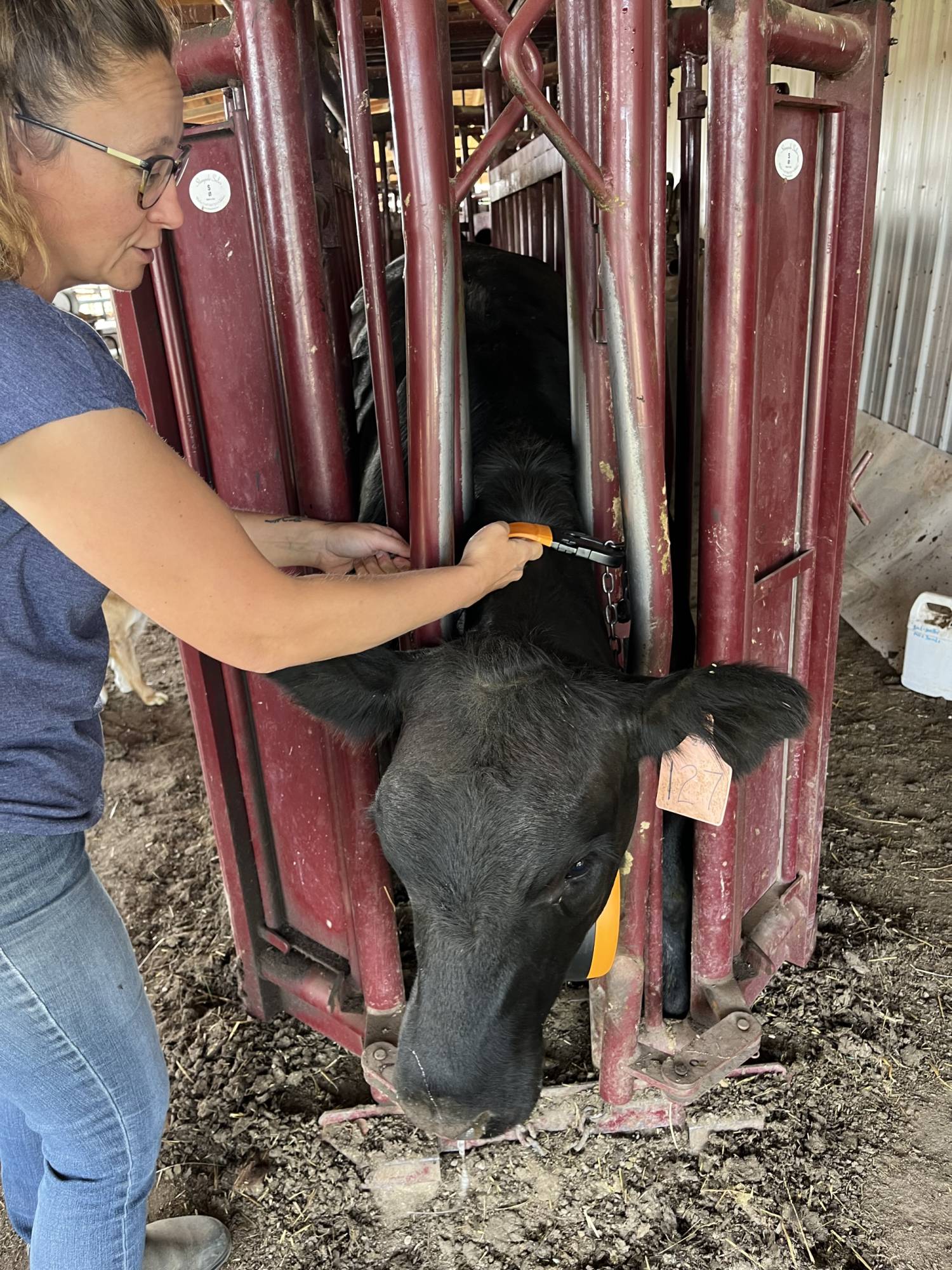
In mid-July, a herd of 23 replacement heifers and one bull were run through a handling chute to fit the collars. The producer cooperator felt the smaller herd size was manageable if the collars needed to be adjusted or the technology failed. The herd was turned out in a 35-acre paddock to acclimatize to the technology. Animals were closely observed to ensure proper collar fit and normal grazing behaviour.
Using the e-Shepherd app, a virtual fenceline was drawn along the permanent fence and each day this virtual boundary was moved inward. Within four days, the animals had learned that the auditory cue indicated the edge of the enclosure and remained within the virtual boundary. Over the next two months, the herd was successfully rotated through a series of paddocks varying in size and shape.
The collared herd was run through the chute again in fall, providing an opportunity for pregnancy checking and to look for rubbing or sores resulting from the collars. No adjustments were required and all animals were deemed bred. The producer fit collars on additional bred heifers and young cows, consolidating animals into a group of 64. The herd was trained over a two-day period and turned into a 45-acre paddock of standing corn. Animals were given access to one acre of corn every three days along with free-choice wheat straw bale in a feeder and free-choice loose mineral. Using the e-Shepherd app, moves were scheduled in paddocks created in advance, a feature that adds substantially to the convenience of using VF.
What’s Happening
2025 Update
The water system proved invaluable as drier than normal conditions saw many small pothole wetlands without water. Due to reduced forage growth, animals weren’t released on pasture until the third week of June. The grazing plan was adjusted to compensate for the lack of spring moisture, with animals left in the paddocks for four days and rotating through twice, providing additional time for the grass to recover. This demonstrated the importance of having an adaptable grazing plan.
DUC plans to maintain the multi-paddock site, adjusting days and moves to meet the needs of livestock, the producer and the forage resource. The project site is included in carbon sequestration studies carried out through Central Prairie Living Labs. Results from benchmarking soil samples will be released in the future. Carryover, soil cover and overall performance of the forage stand will continue to be closely monitored by DUC staff. Clippings from grazing cages will be compared to the grazed areas in terms of biomass production, species composition and litter cover. Further field observations of soil temperature and water infiltration will be included in future field days.
Project Results March 2026
Through this project, DUC was able to demonstrate the year-round effectiveness of VF in east-central Saskatchewan conditions. This specific project and VF in general have garnered attention across industry, NGOs and producers. As the technology catches on and becomes readily available to Canadians, first-hand knowledge of full-scale application provides invaluable information. A central aspect of this project is its aim to share results with the landowners ultimately making land and herd management decisions. To this end, a field day was held at the demonstration site in February 2026, with roughly 50 producers attending. Other outreach to date includes news articles, videos, presentations, and webinars. As DUC and CFGA continue to demonstrate this evolving technology, there exists ongoing opportunity for future field tours and extension events.
Additional Media
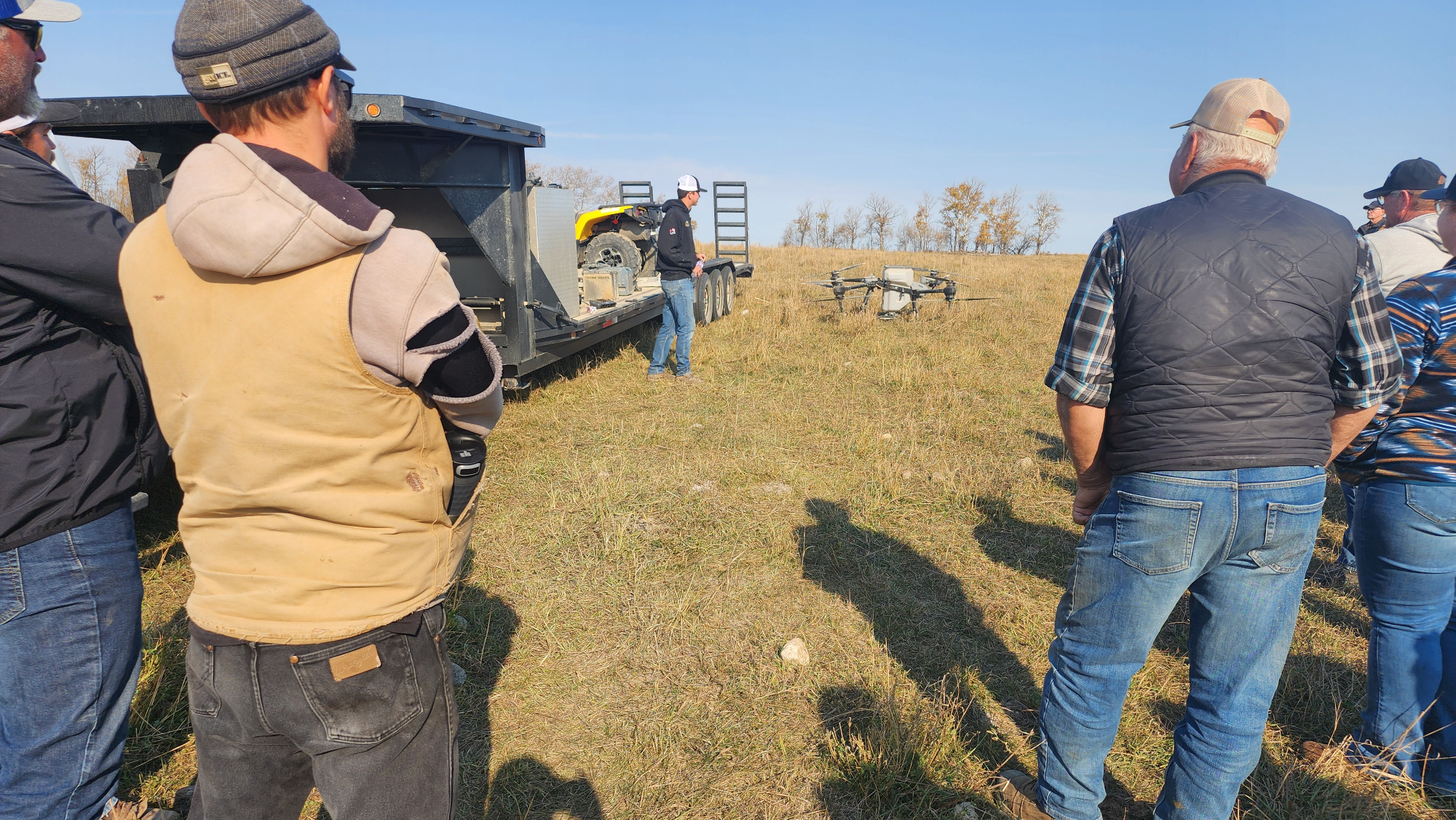
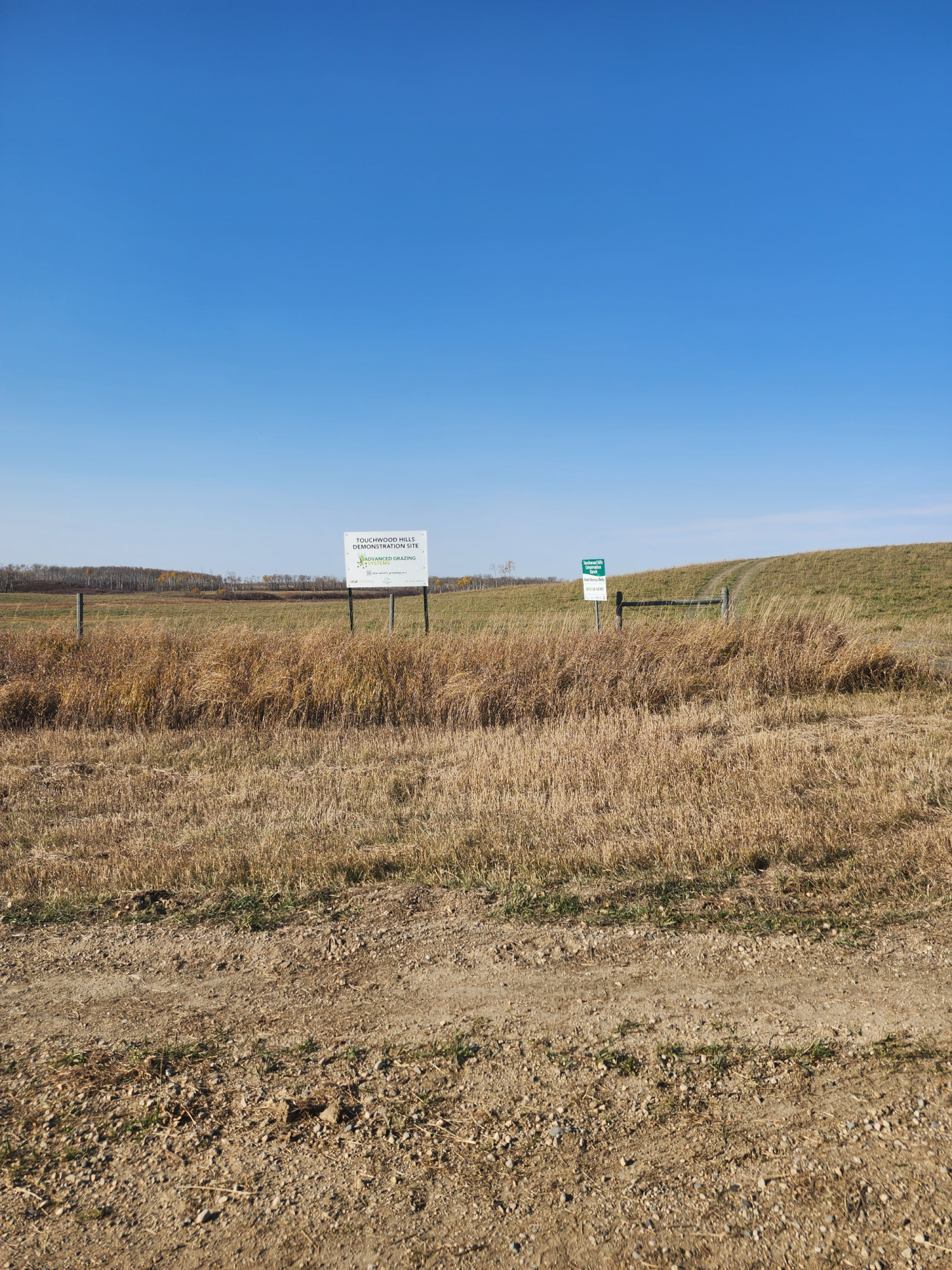
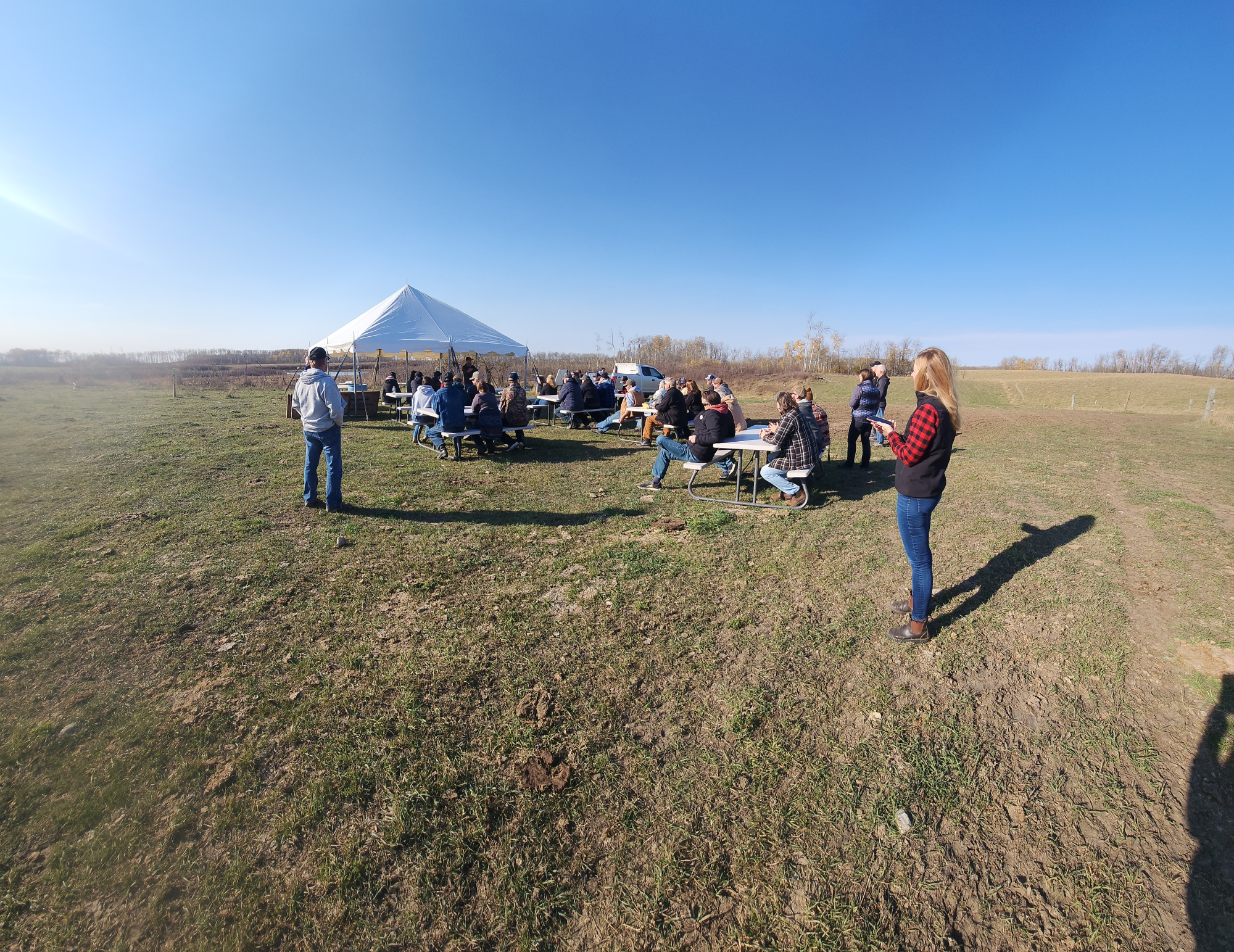
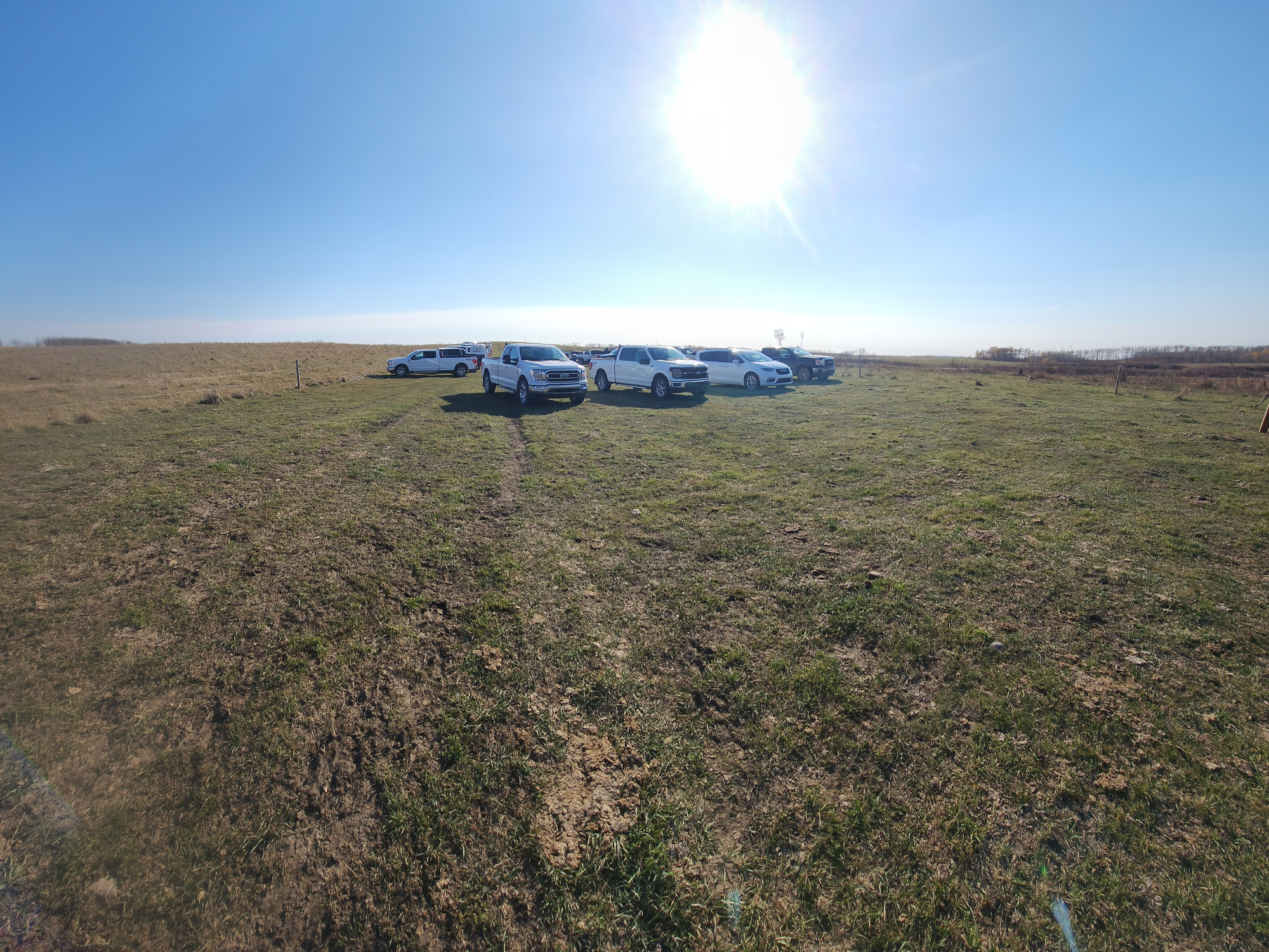
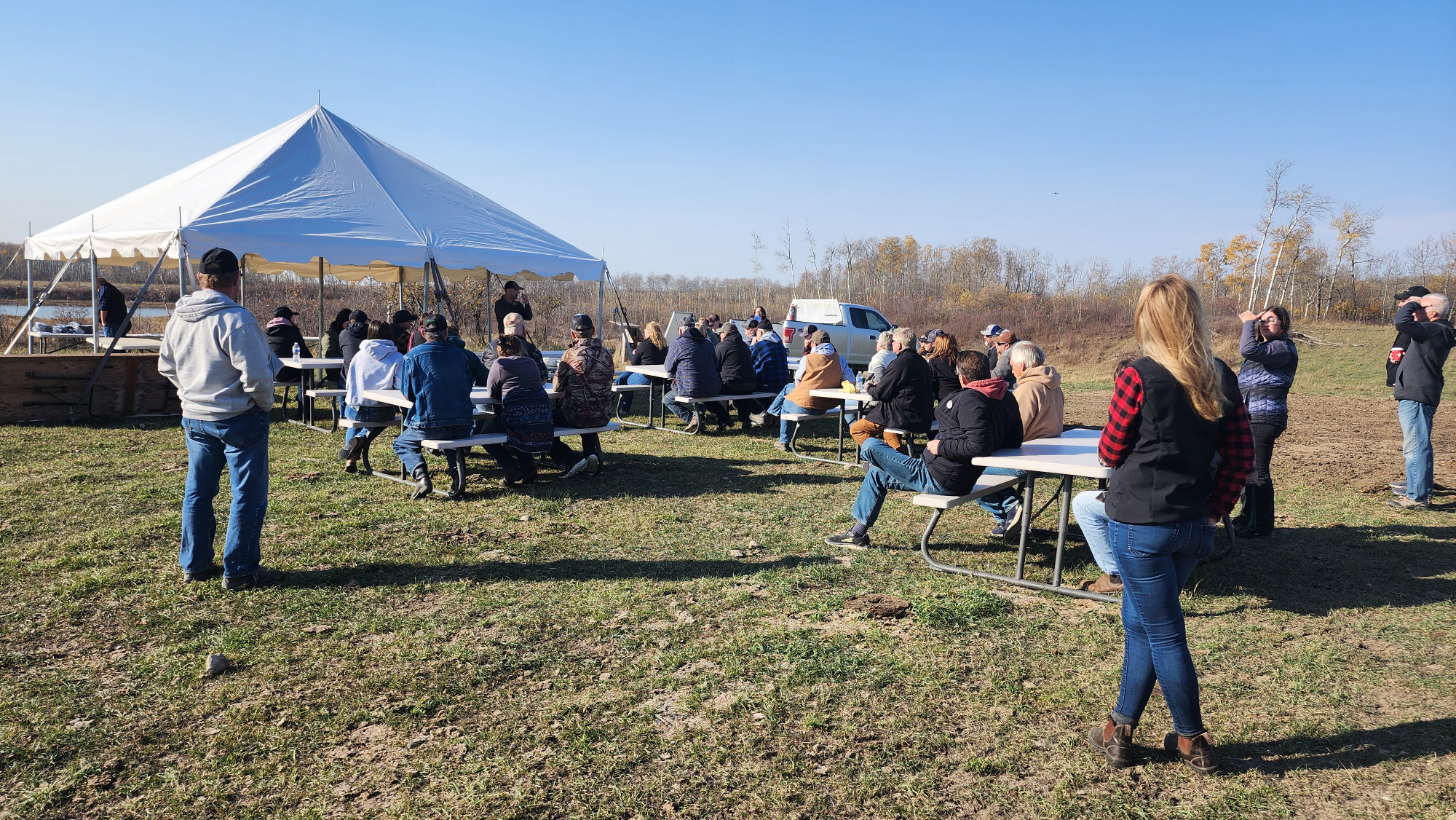
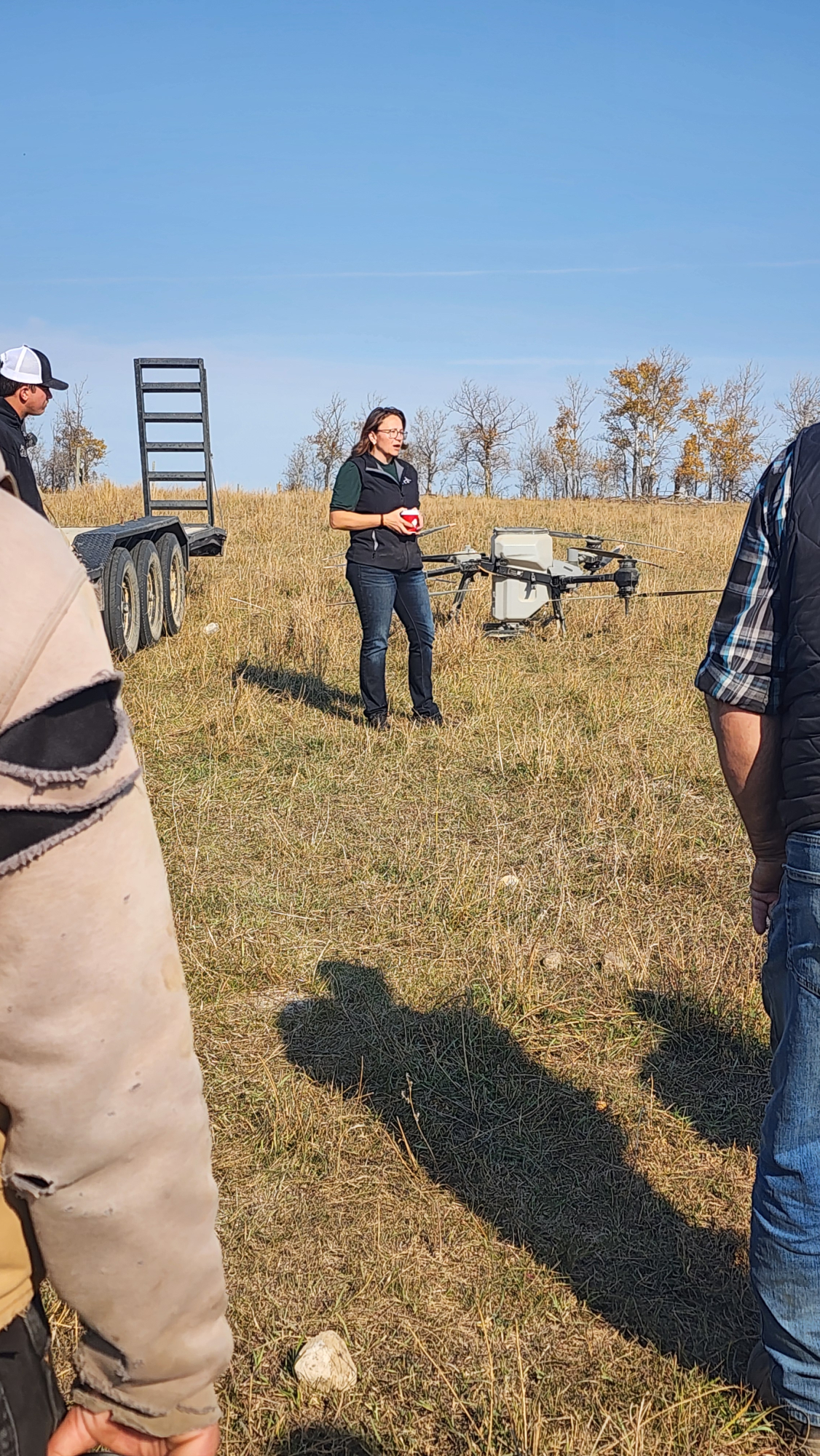
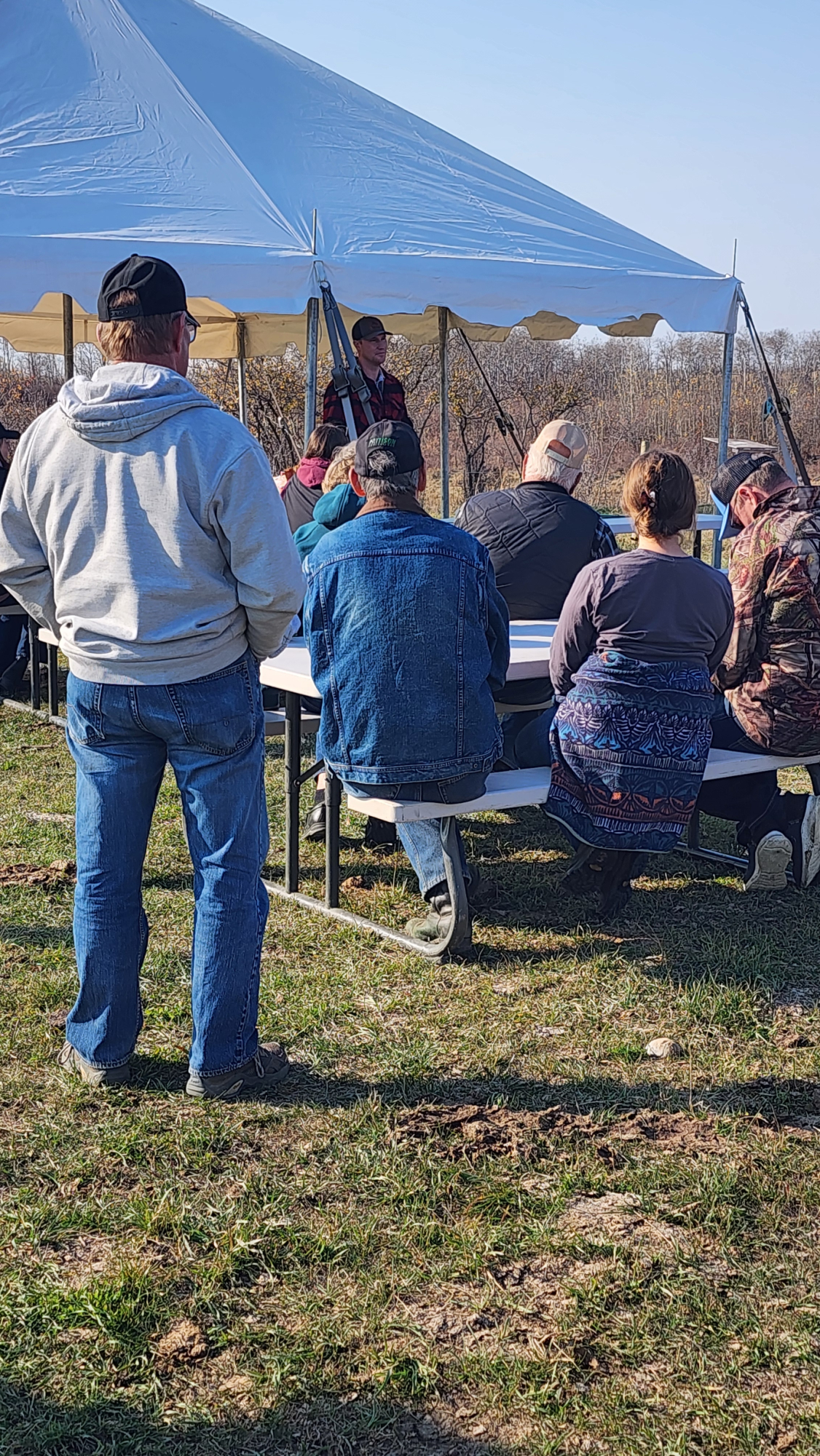
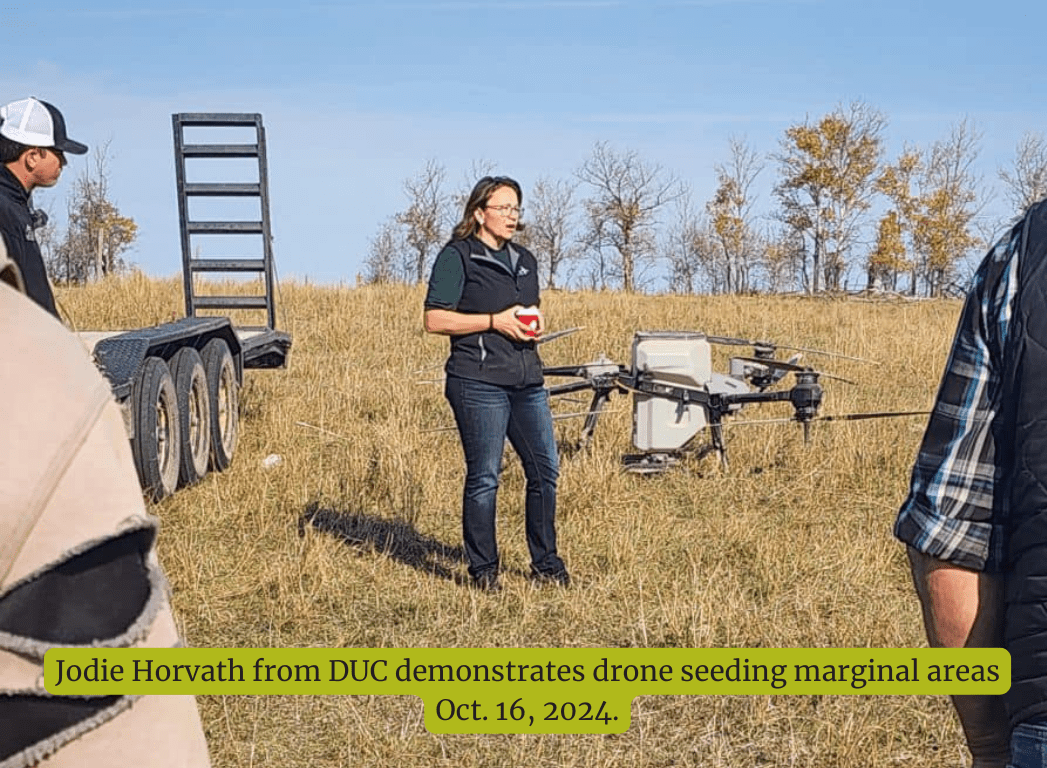
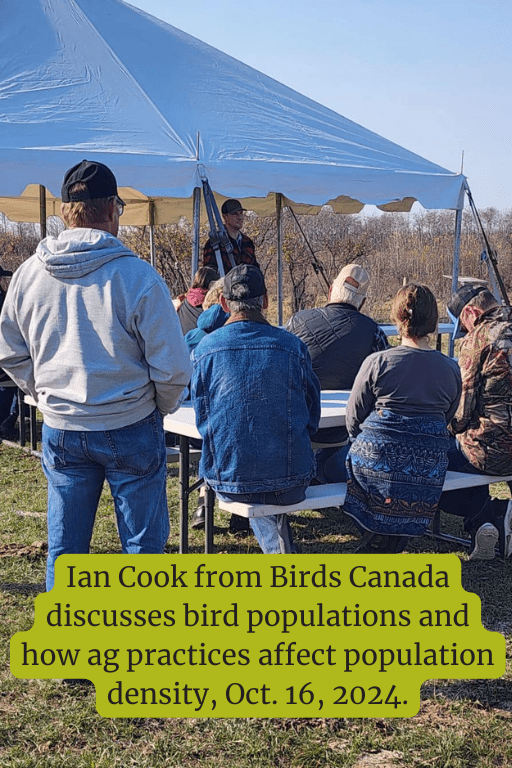
Demonstration Site Field Day: Oct. 16, 2024
Cattle newly introduced to the Advanced Cell Design.
Funding for this project in part has been provided by Agriculture and Agri-Food Canada through the Agricultural Climate Solutions – On-Farm Climate Action Fund.