Site Background
RM_3_Enniskillen_Info_Sheet_-_SK
About the location
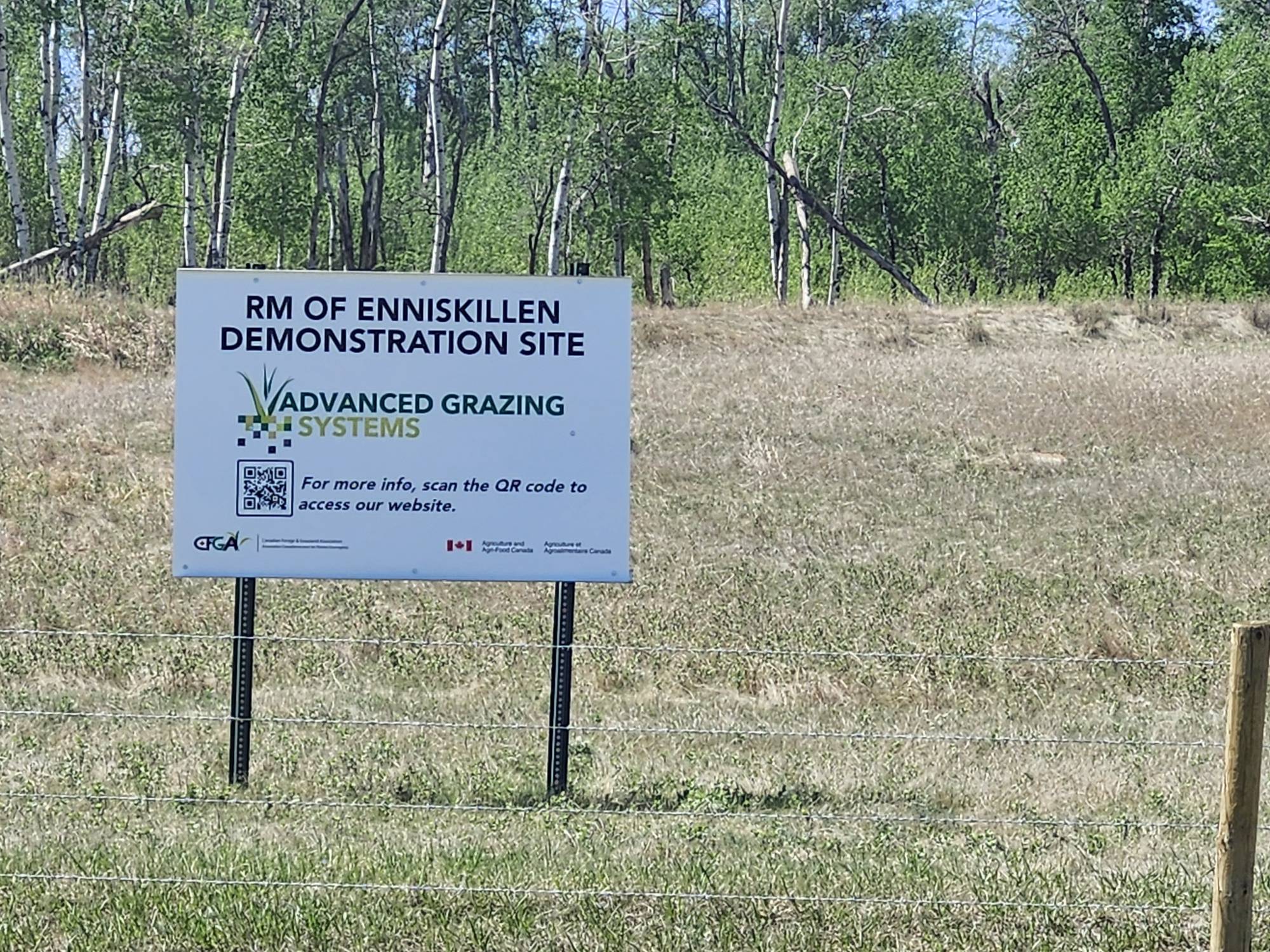
The Rural Municipality (RM) of Enniskillen Demonstration Site is located in the moist mixed grassland ecozone approximately 4 km south of Glen Ewen, Saskatchewan along the Souris River.
The moist mixed grassland ecozone has semi-arid moisture conditions, with precipitation ranging from 350-400 mm annually, average summer temperatures of 15.5°C and winter temperatures of 11°C.
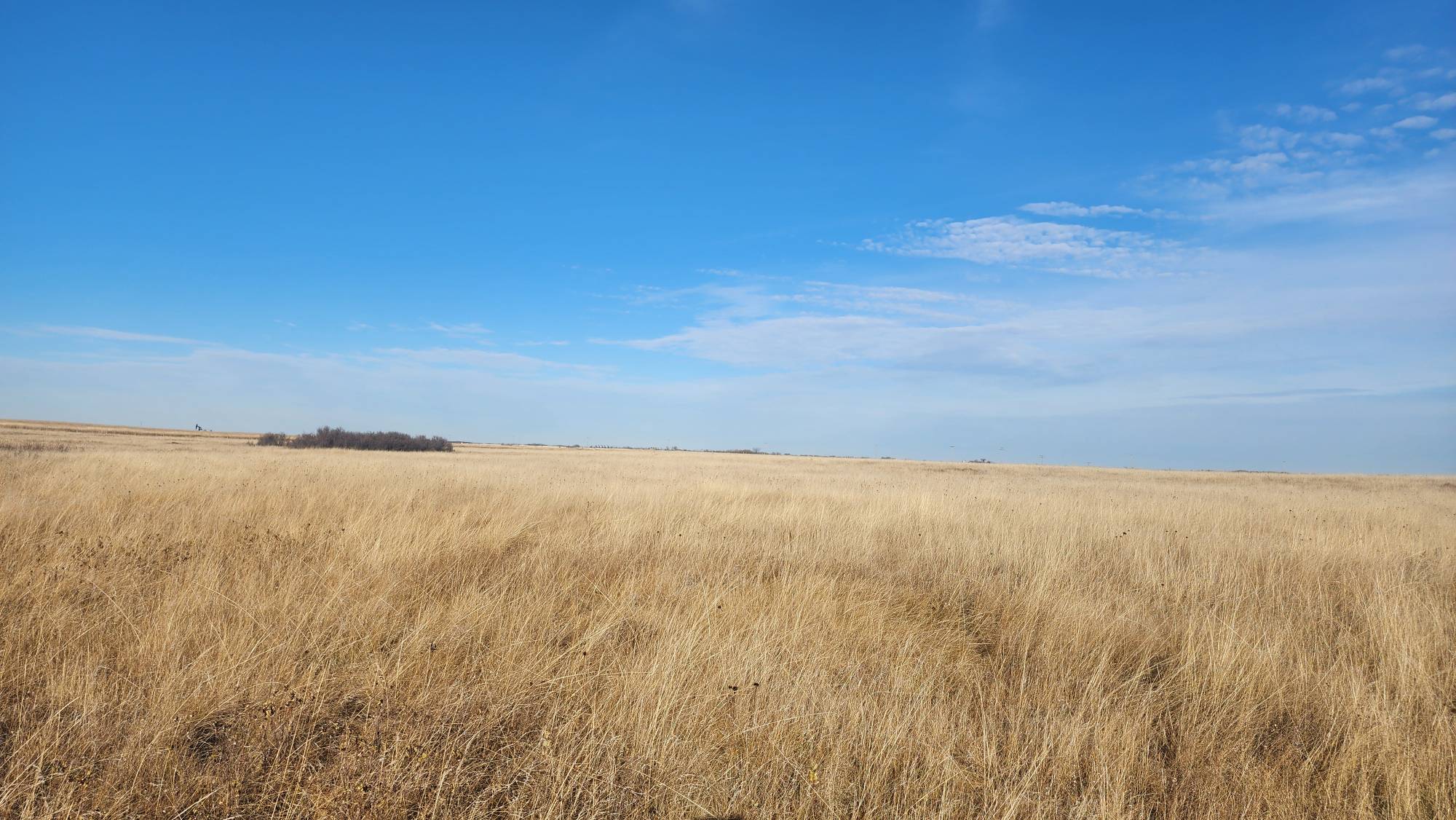
This ecozone is noted for increased shrub cover, common plant species including scrubby aspen, willow, and cottonwood. Native meadow vegetation is predominantly speargrass and wheatgrass. Dark brown chernozemic soils underlay the region with notable areas of salinity. The intermittent sloughs and riparian areas are home to waterfowl, white-tailed deer, pronghorn antelope, coyote, rabbit, and ground squirrels.
About the Farm
This demonstration site is located on land owned by the RM of Enniskillen No.3. Originally purchased for gravel mining purposes, the RM recognized the value of preserving the native grassland on this section of land and had plans to make it available for cattle grazing in 2025. Not grazed previously, the project site required fencing and water development.
The land was originally owned by Nellie Adams, a community member who believed it should be managed in ways that would benefit the RM. Through her estate, she made significant contributions to various organizations including purchasing life-saving equipment and supporting health care endeavors. Originally inherited from her father, Adams’ land will continue to benefit municipal residents for years to come, providing gravel resources and supporting a grazing project that promotes sustainable land use and conservation.
The municipal office believes in setting precedence as outstanding land stewards within the RM and surrounding area. They decided to develop a grazing plan to act as a guideline for future lessees of the demonstration site and encourage implementation of rotational grazing practices. This project is one of the first to be undertaken and it is hoped that other municipalities and non-profit organizations will be inspired and take on a project of their own.
Learning About Rotational Grazing
Pamela Bartlett, the municipality’s Chief Administration Officer, previously took the Advanced Grazing System course and gained a deeper appreciation of the benefits. A strong advocate for this land, Bartlett wants to ensure it is properly managed into the future. Moving forward, anyone leasing the land will be required to take the AGS course and commit to sustainable practices to ensure the land is managed to its full potential.
The Rotational Grazing Objective
The RM’s goal for this project is to generate valuable data and research opportunities that can be utilized and published while ensuring the preservation of native grassland. Looking forward, the RM would love to host pasture tours utilizing its central location between two schools to have students engage in hands-on learning. These tours would help students learn about carbon sequestration, regenerative agriculture, animal impact, stock density and soil armour.
Agronomic Details
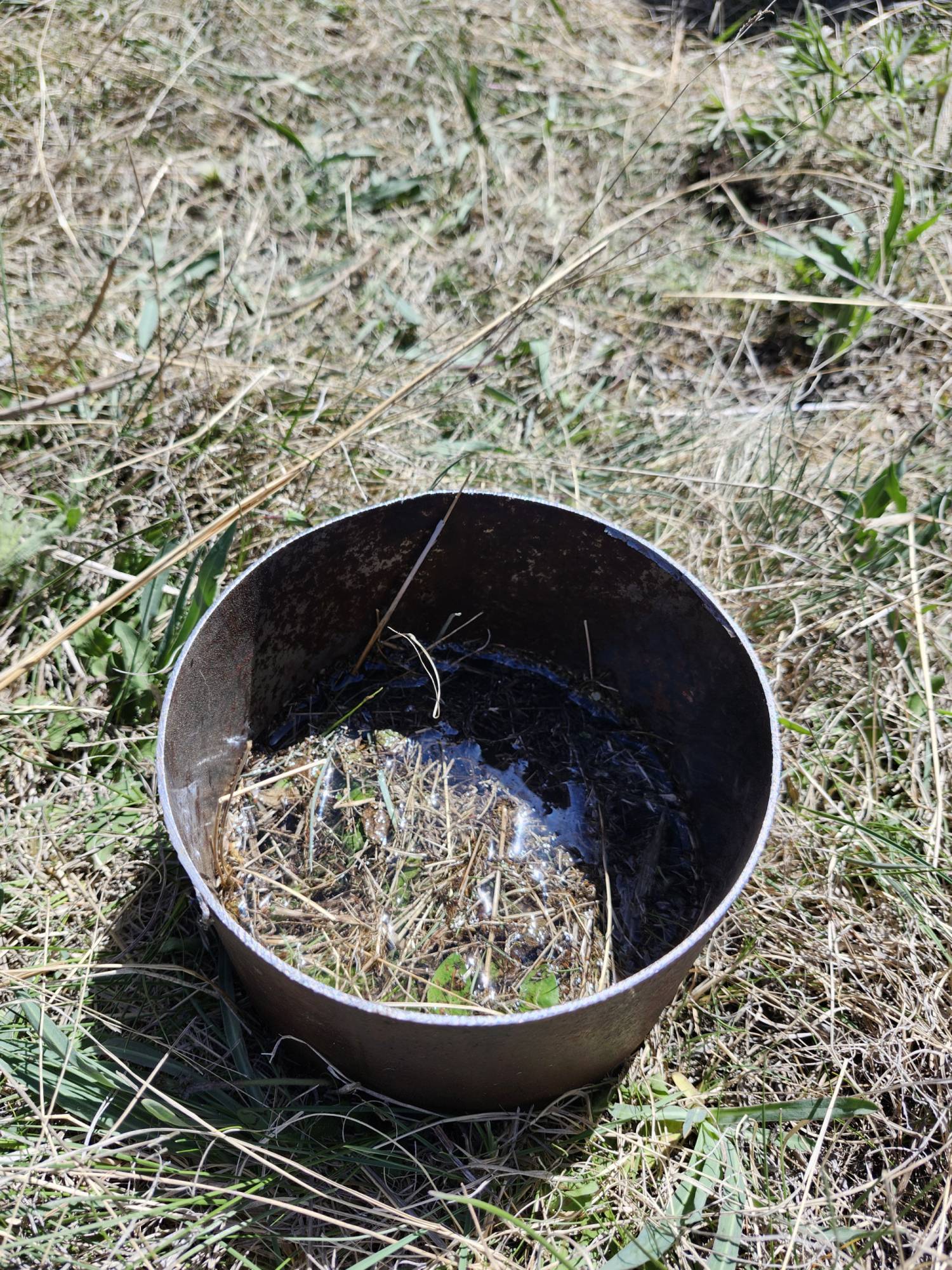
No soil sampling was conducted on the land prior to this project; early project steps included sampling soil in each paddock to provide a baseline for soil health documentation. This is a native pasture with predominantly speargrass and wheatgrass. A small number of sandy and rocky areas on the site are the main known areas of improvement moving forward. Synthetic fertilizers have never been used on the site.
Project Overview
Pasture Layout Map
Grazing Chart
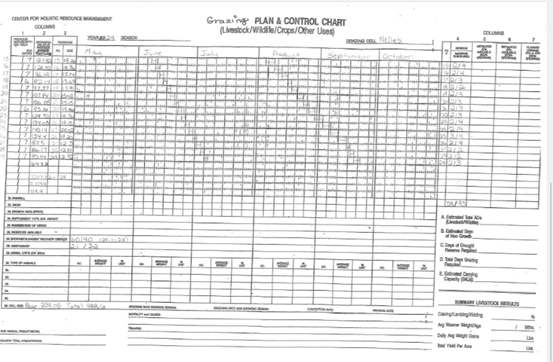
Baseline Condition
Before the RM purchased the land from Adams, the pasture was managed under a continuous grazing system. Over time, this resulted in uneven grazing distribution and areas of overgrazing. Cattle have not been on the land since 2022, giving the pasture an extended rest and a chance to rebuild root systems and improve plant vigor.
Project Condition
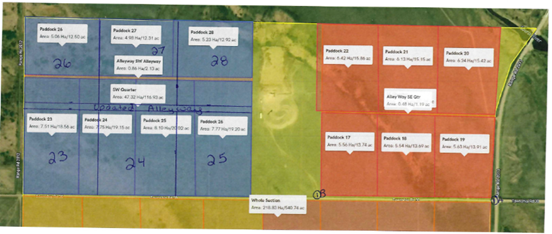
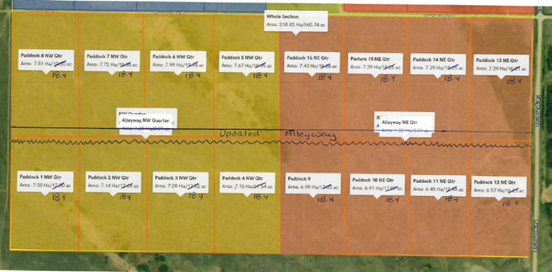
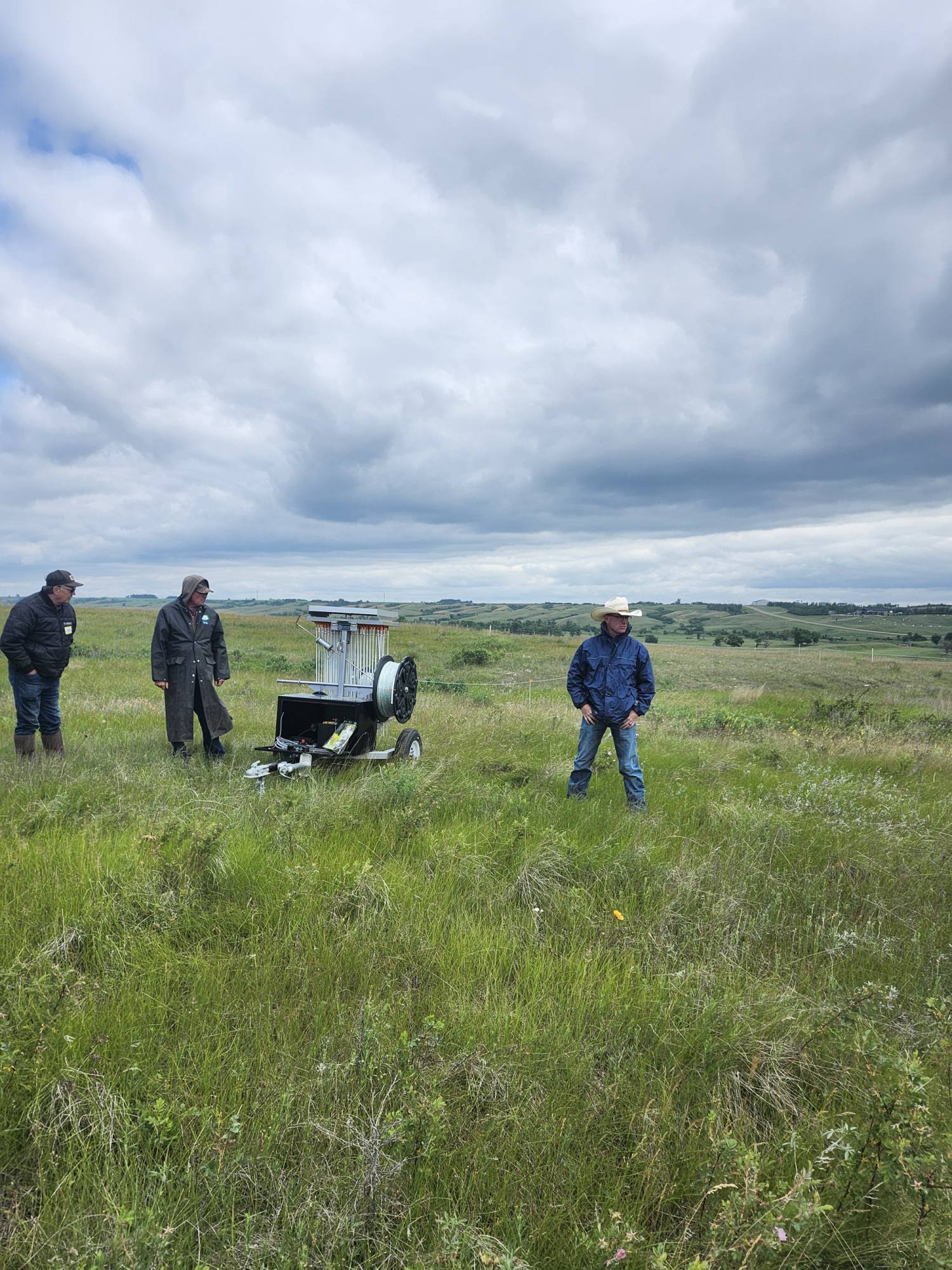
When complete, the project will consist of twenty-eight paddocks over 520 Acres. The rotational grazing system utilizes a combination of permanent perimeter fencing and temporary cross-fencing. Perimeter and alleyways are permanent four-strand barbed wire, while a Razer Grazer™ system is used to create temporary cross-fencing, dividing the land into paddocks of roughly eighteen acres each.
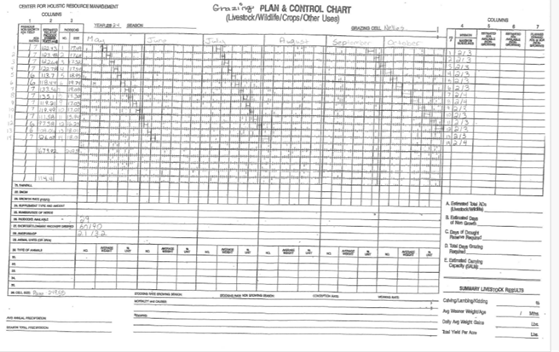
Grazing season would extend from May 10 through the end of October, 2025?, with each paddock grazed for two days during the first rotation at the beginning of the season when forage growth is rapid. During the second rotation, as plant growth slows, paddocks would be grazed for four days. This would allow for adequate rest period, around 60 days, supporting forage recovery, and improving pasture health.
Short-Term Goals
In preparation for the 2025 grazing season, fencing and other remaining infrastructure was completed. Efforts also focused on securing a reliable water source, followed by drilling and trenching pipelines to ensure adequate livestock watering in a rotational grazing system. In addition, a suitable renter was to be identified to graze cattle on the site during the 2025 grazing season.
Long-Term Goals
This project aims to demonstrate outstanding land stewardship and set a precedent for other RMs, non-profits, and government agencies to follow. By implementing rotational grazing management, the site strives to improve soil quality and strengthen native grass species across the landscape.
The site will also serve as a valuable research and demonstration area, generating meaningful data and providing opportunities for hands-on learning that benefit producers, students, and the broader community.
What’s Happening
Key Highlights of 2025
The 2025 season focused on establishing a strong baseline prior to introducing livestock to the project site. With no grazing pressure on the land this year, the RM was able to compile comprehensive monitoring to guide future management decisions.
A primary focus for the RM was securing a reliable water source for livestock. This proved to be a difficult task and the most significant challenge of the year. Multiple water well test holes were dug with no viable water source located; the site does not have direct access to the Souris River. In the fall of 2025, a dugout was successfully constructed, and the RM council is currently evaluating the most effective system for delivering water from the dugout to the livestock. With this infrastructure now in place, the RM is optimistic that livestock will be introduced in 2026.
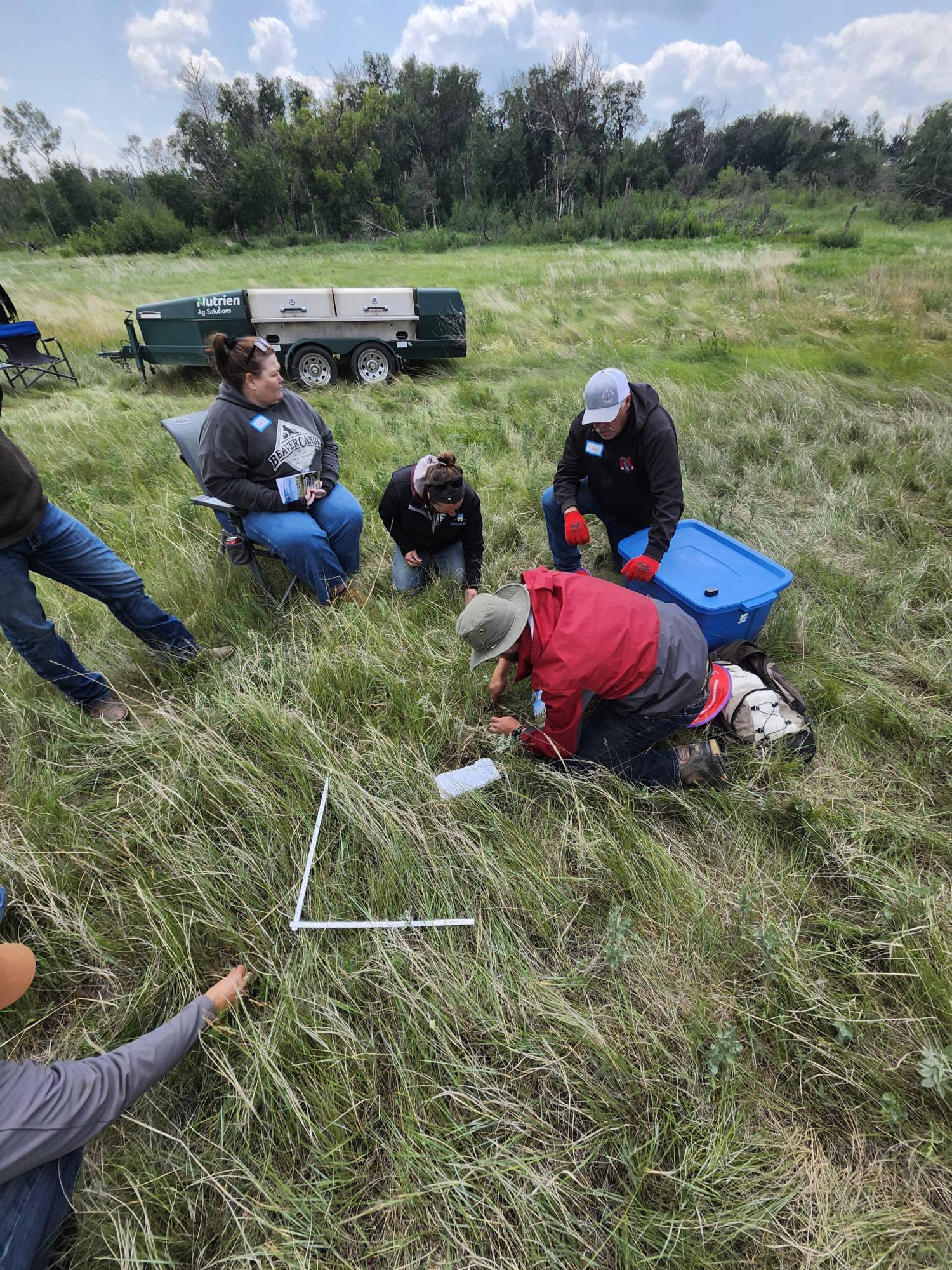
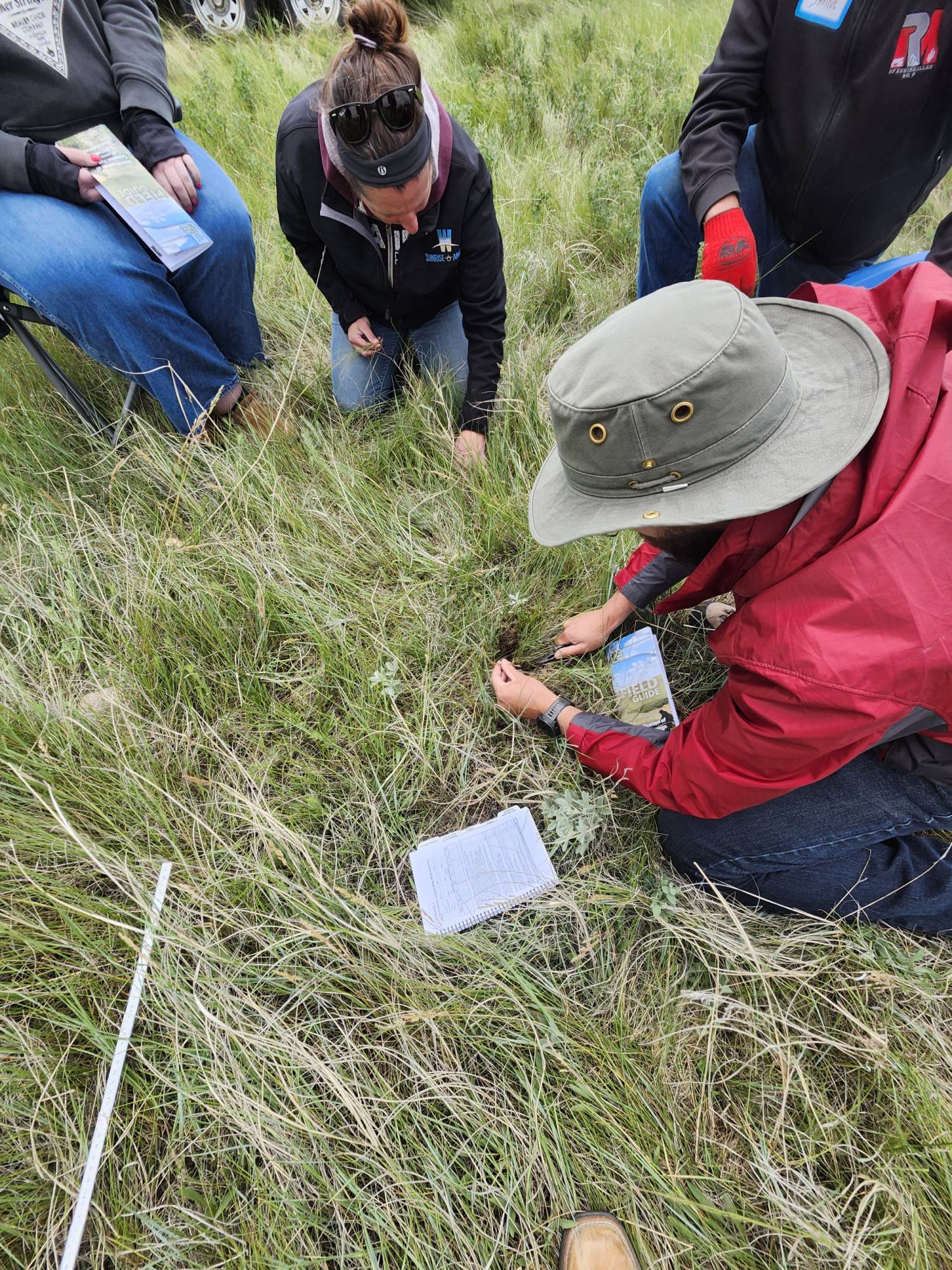
To establish benchmarks, Holistic Management Canada conducted an Ecological Outcome Verification (EOV) assessment on June 18, 2025. This included Short-Term (STM) and Long-Term Monitoring (LTM) across ten sites. The resulting Ecological Health Index score was –3.75 (on a scale ranging from –140 to +110). This assessment provides a valuable reference point and will be repeated at five- and ten-year intervals.
Broken Arrow Consulting performed drone mapping and compiled satellite data on the site. The consultant was able to assess forage and design paddocks for better grazing utilization. He then used the data to develop an interactive website that showcases the technology in action and helps producers better understand how these tools can inform grazing decisions and improve management outcomes. Saskatchewan Ministry of Agriculture performed a Range Health Assessment on the site, further strengthening baseline data.
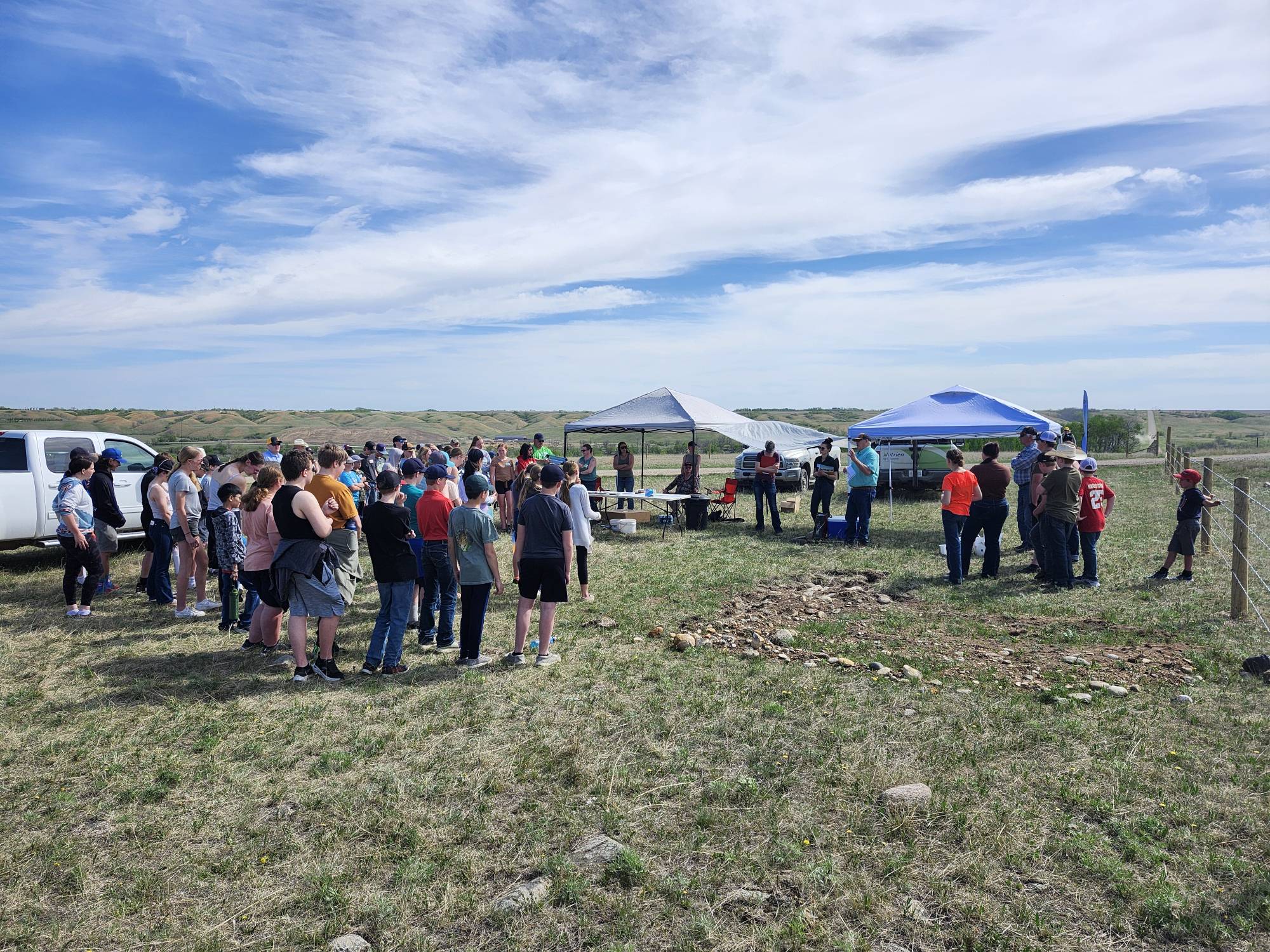
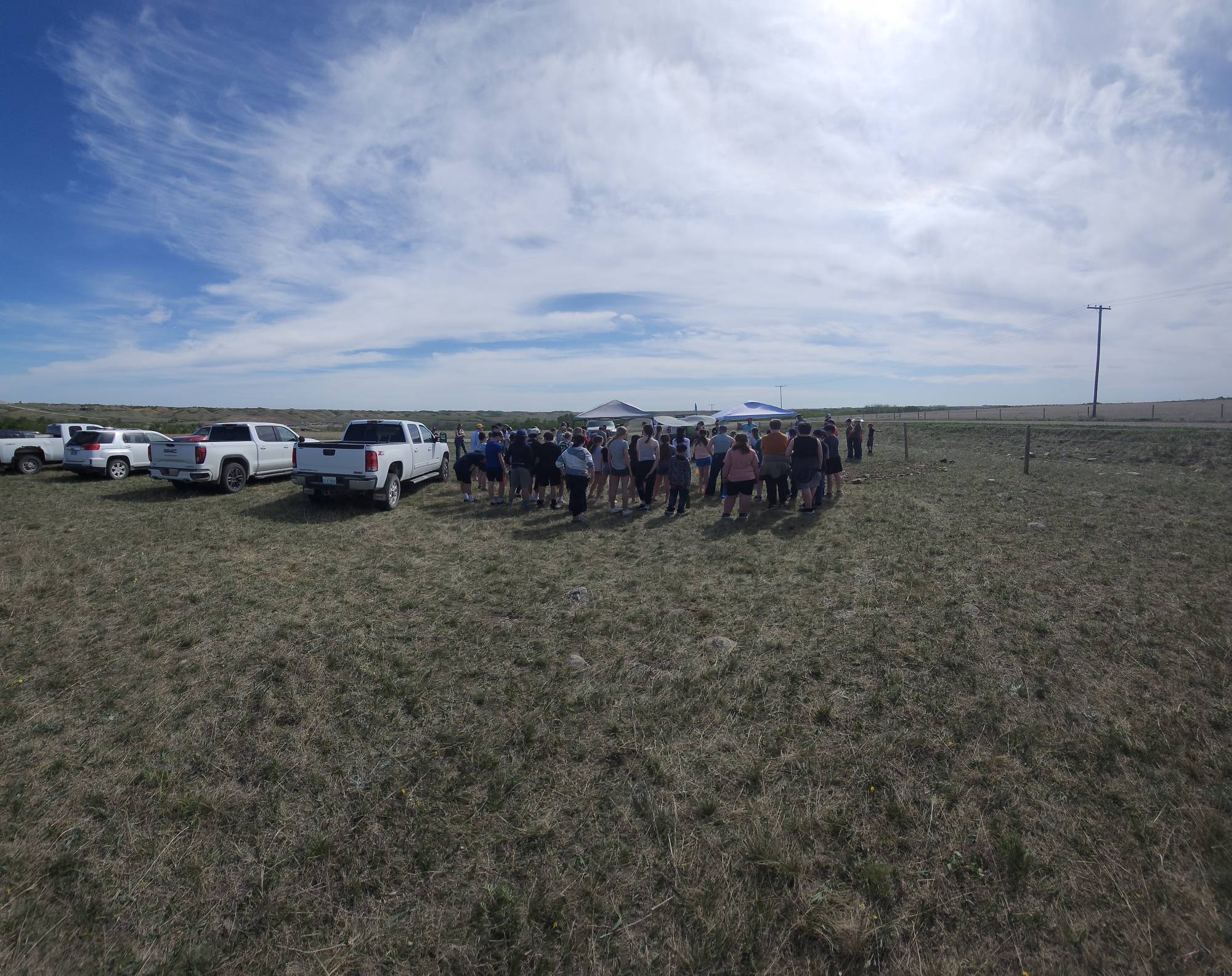
In 2025, the RM hosted two successful field days at the demonstration site.
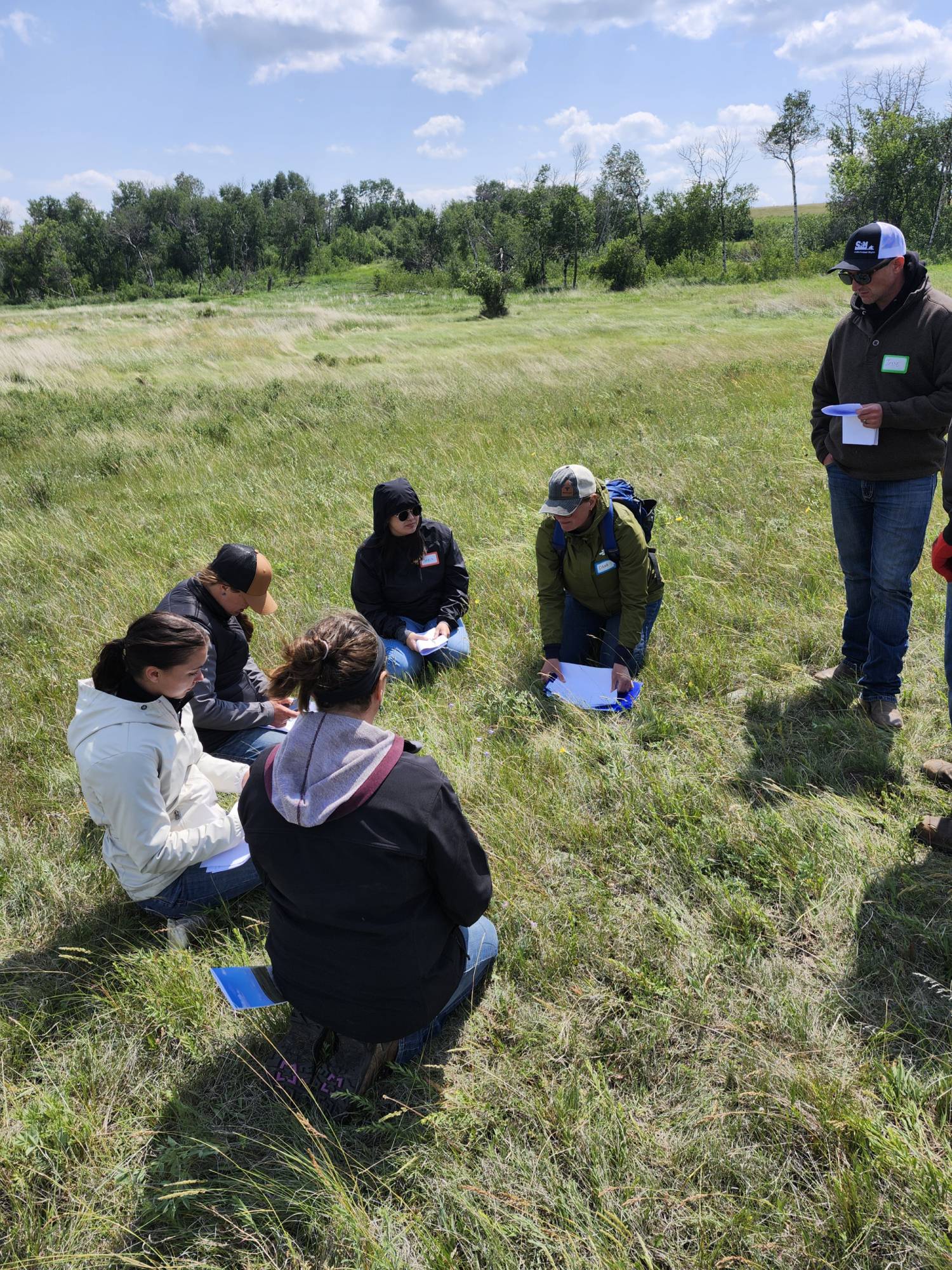
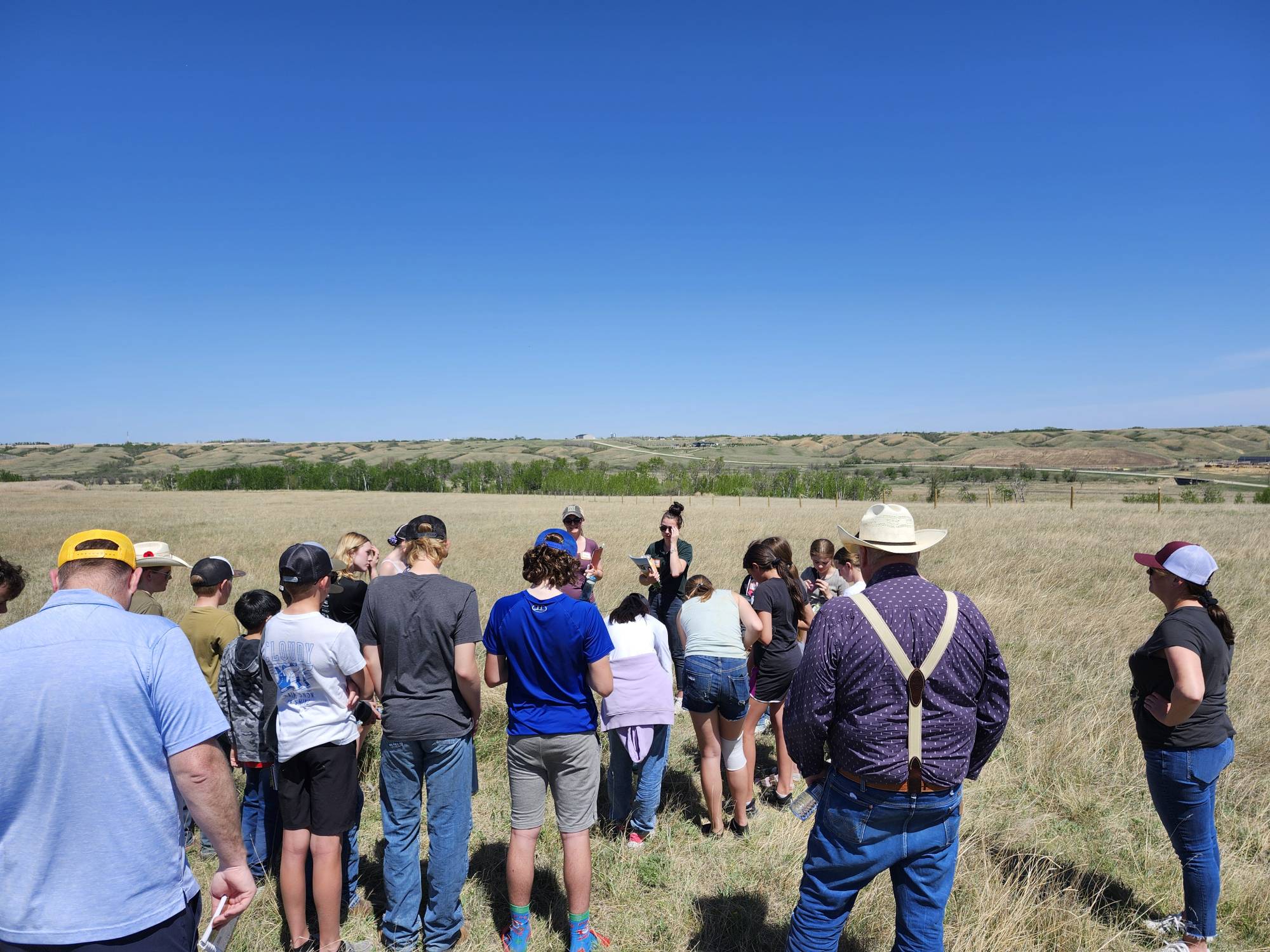
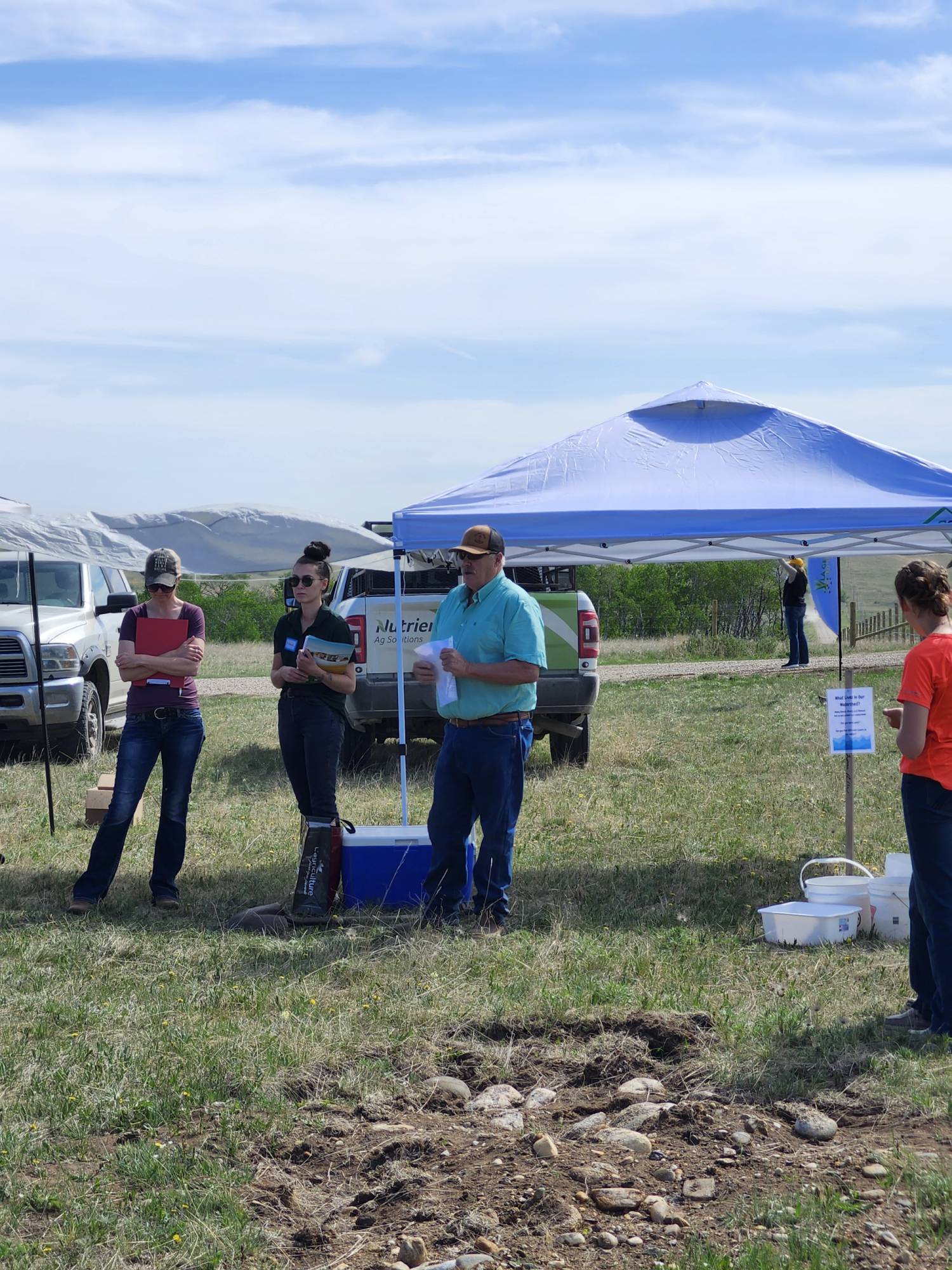
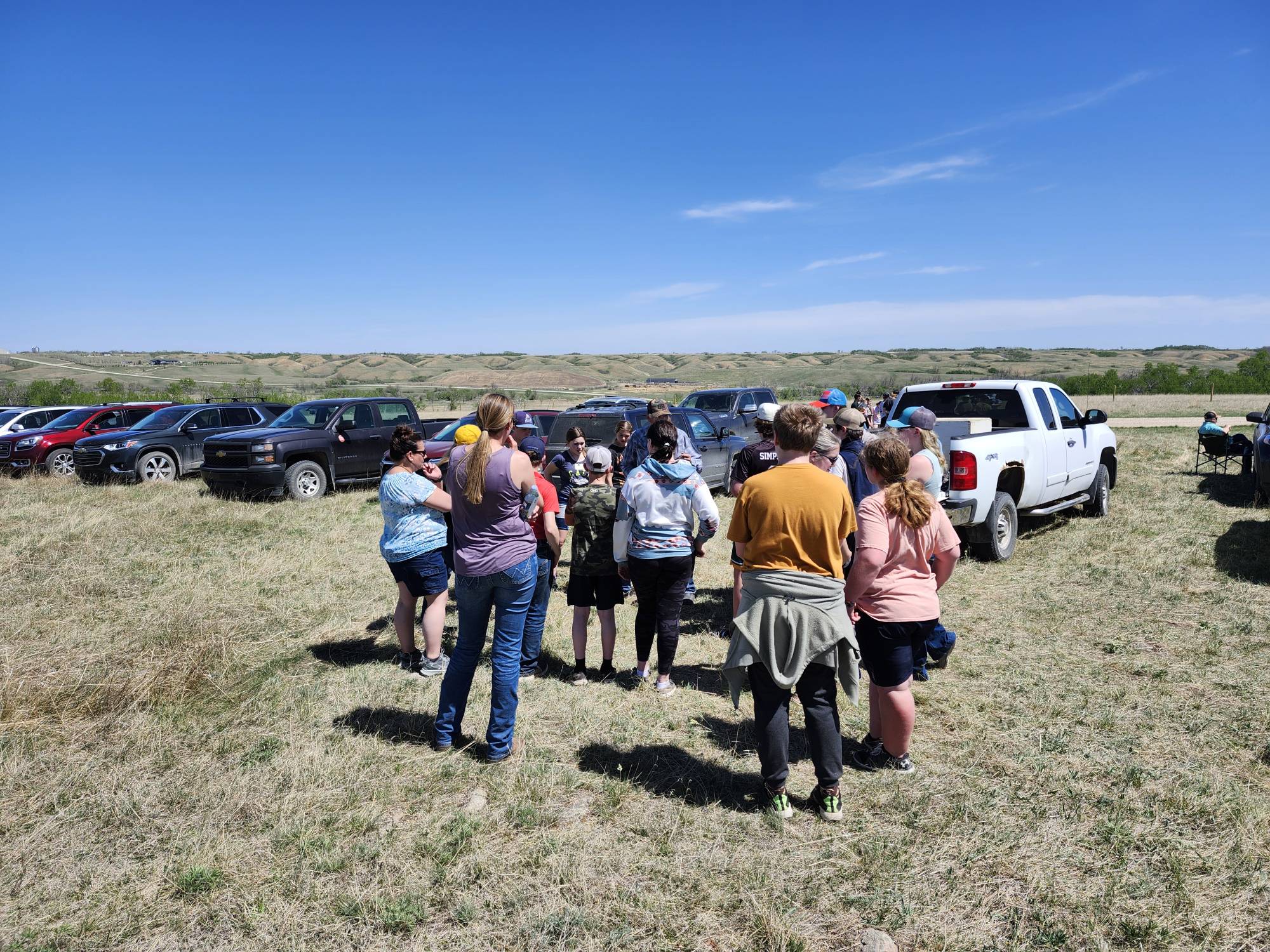
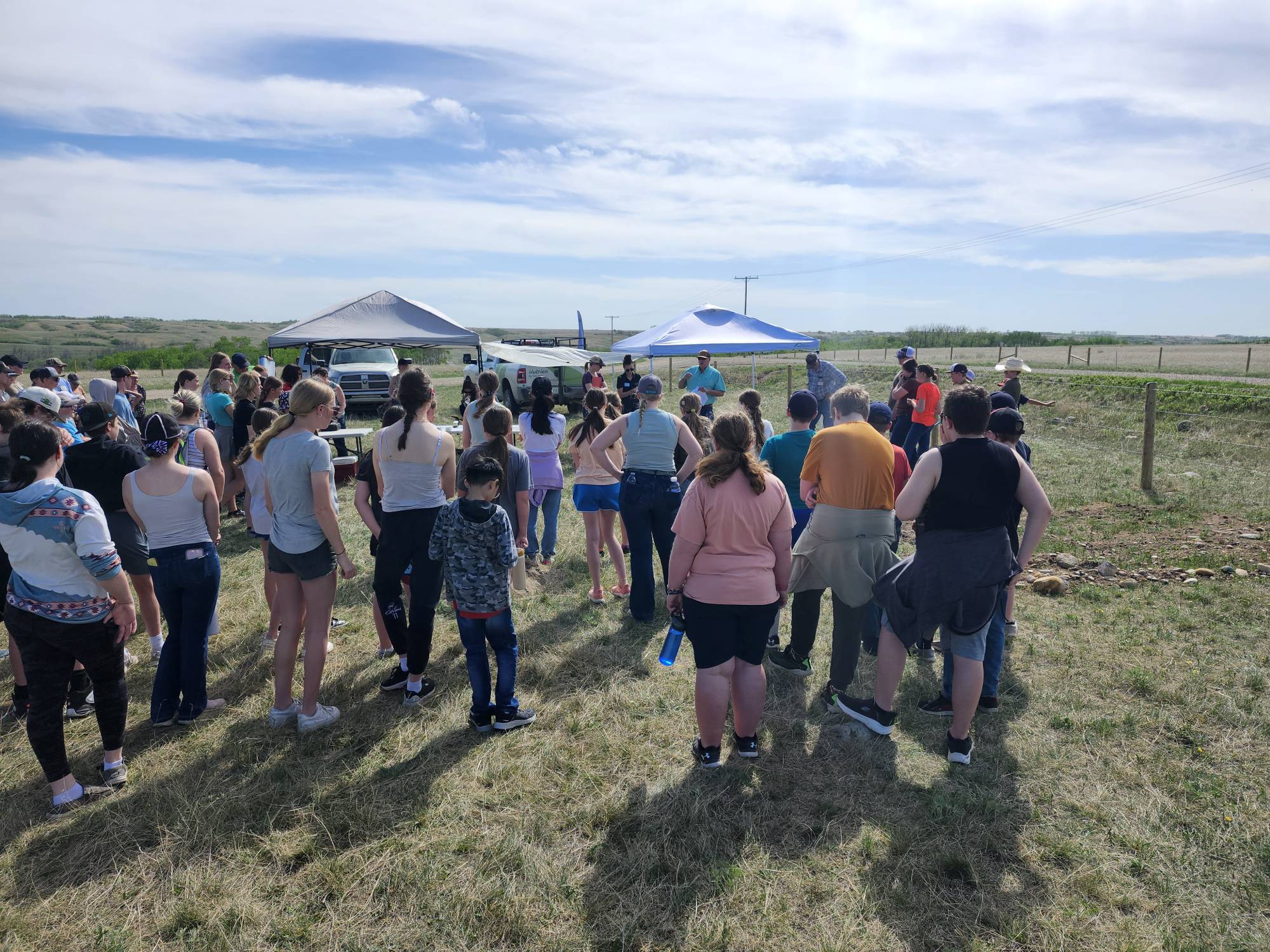
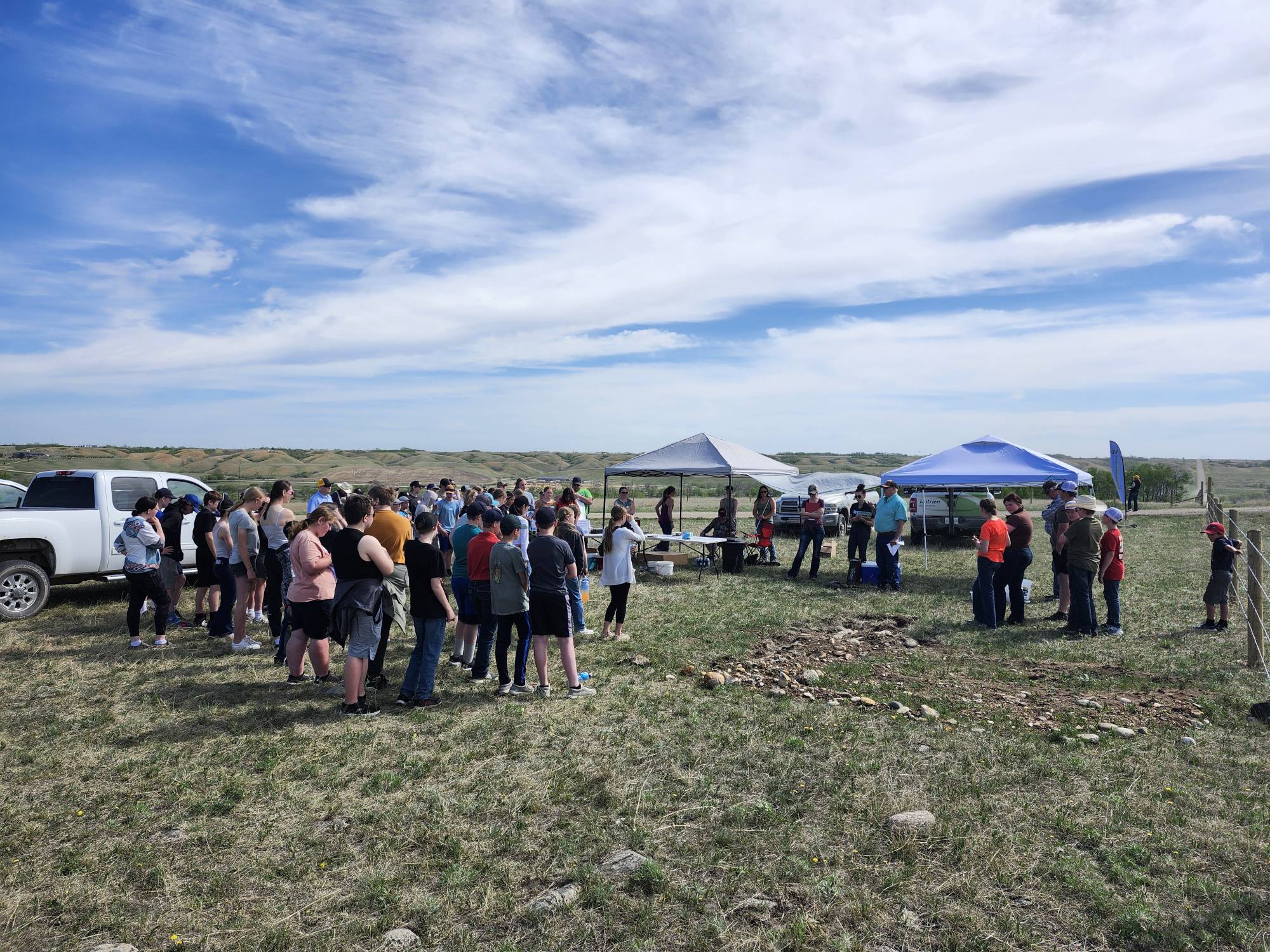
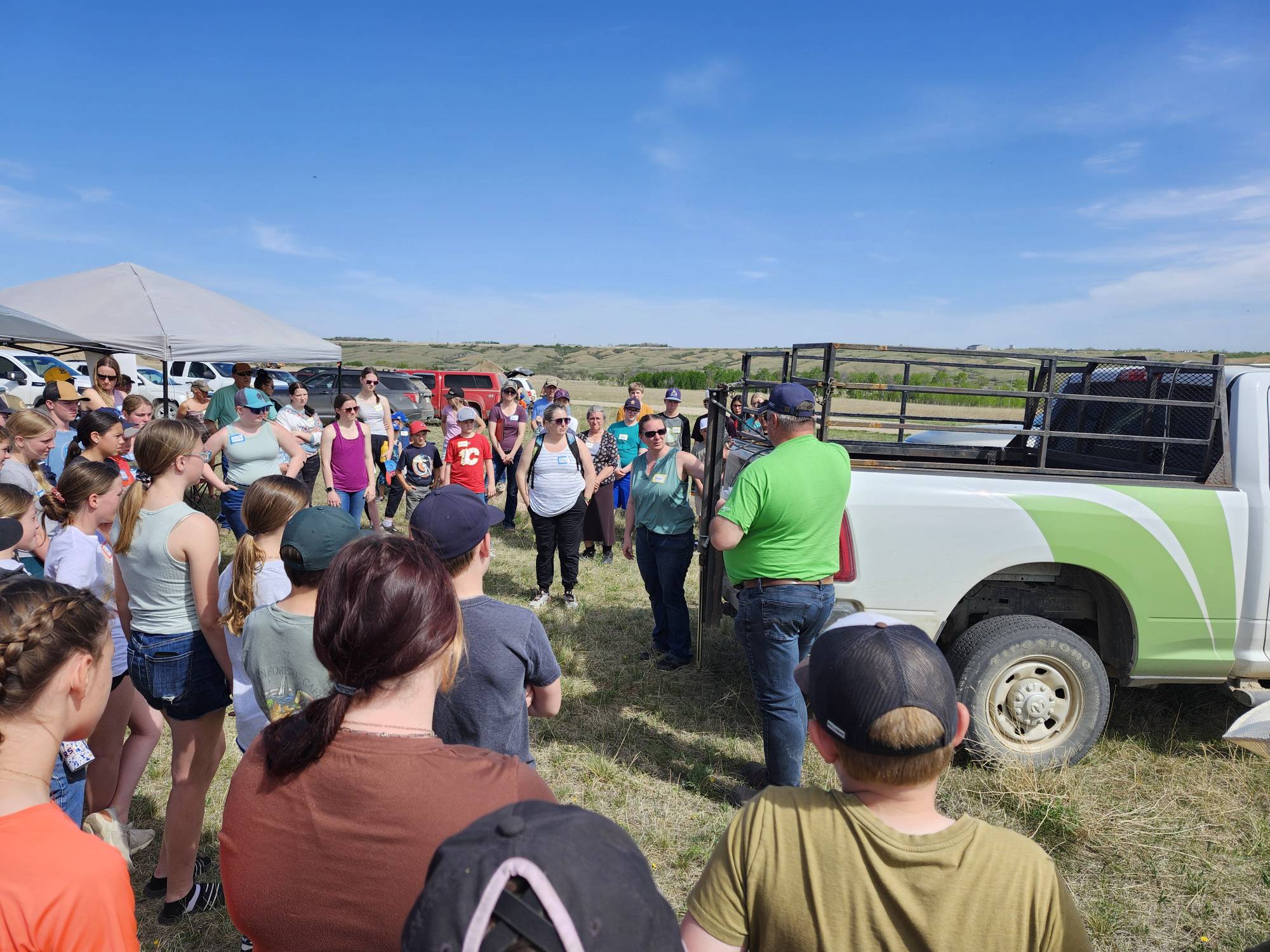
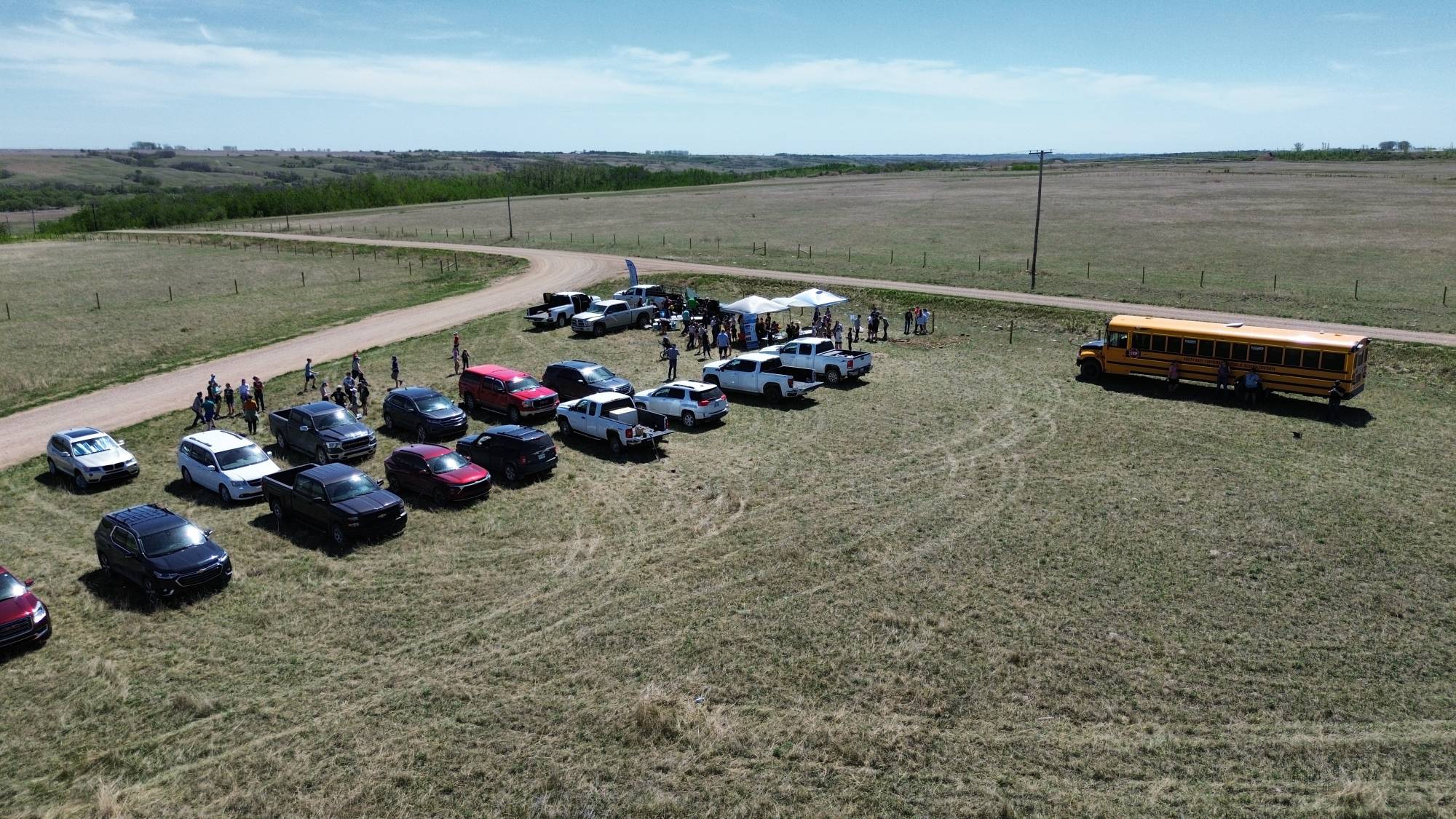
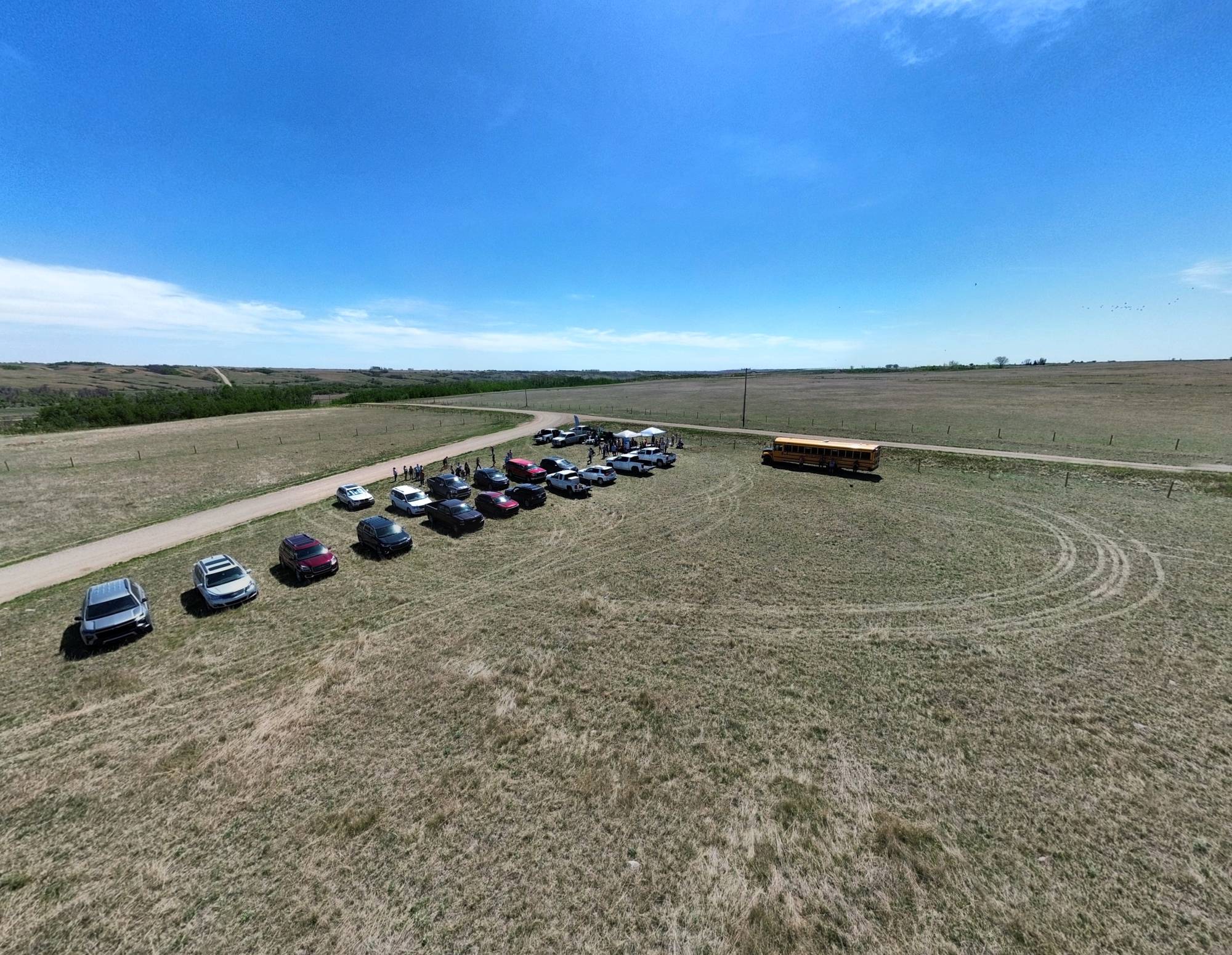
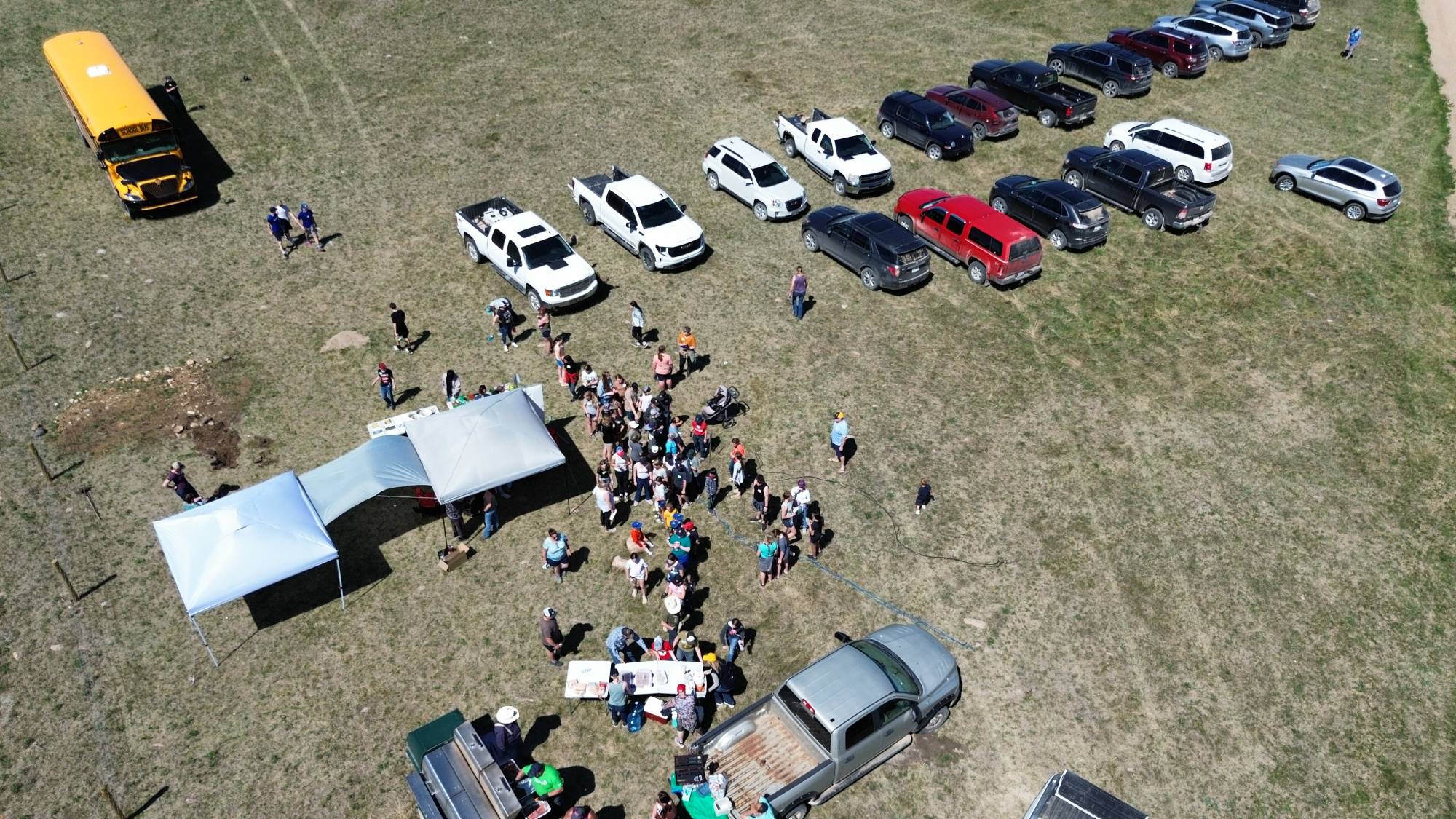
The first event was a student-focused field day, with 90 students from local schools in attendance. The students rotated through interactive learning stations, gaining hands-on experience on topics related to Rangeland Health and grazing management.
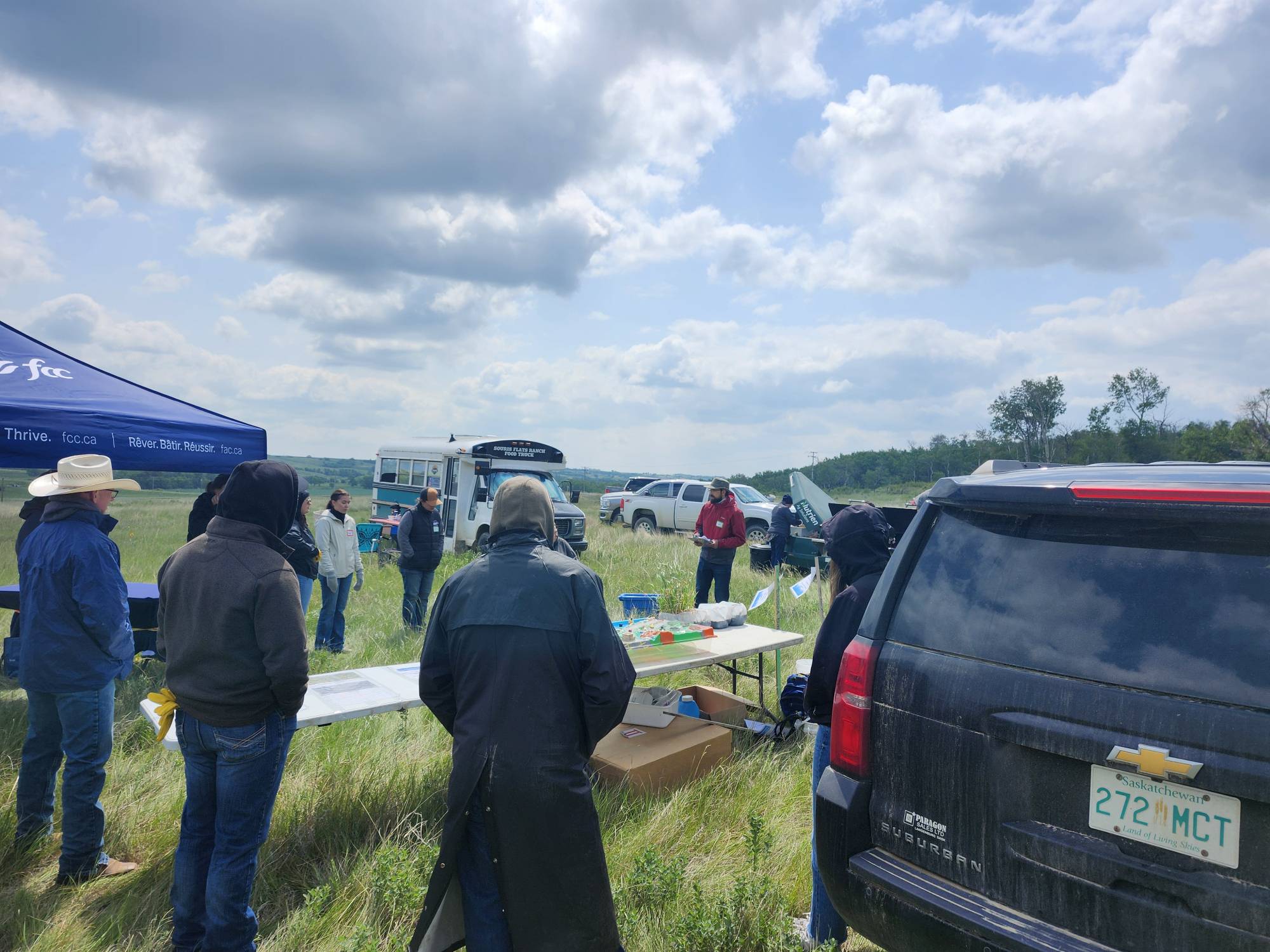
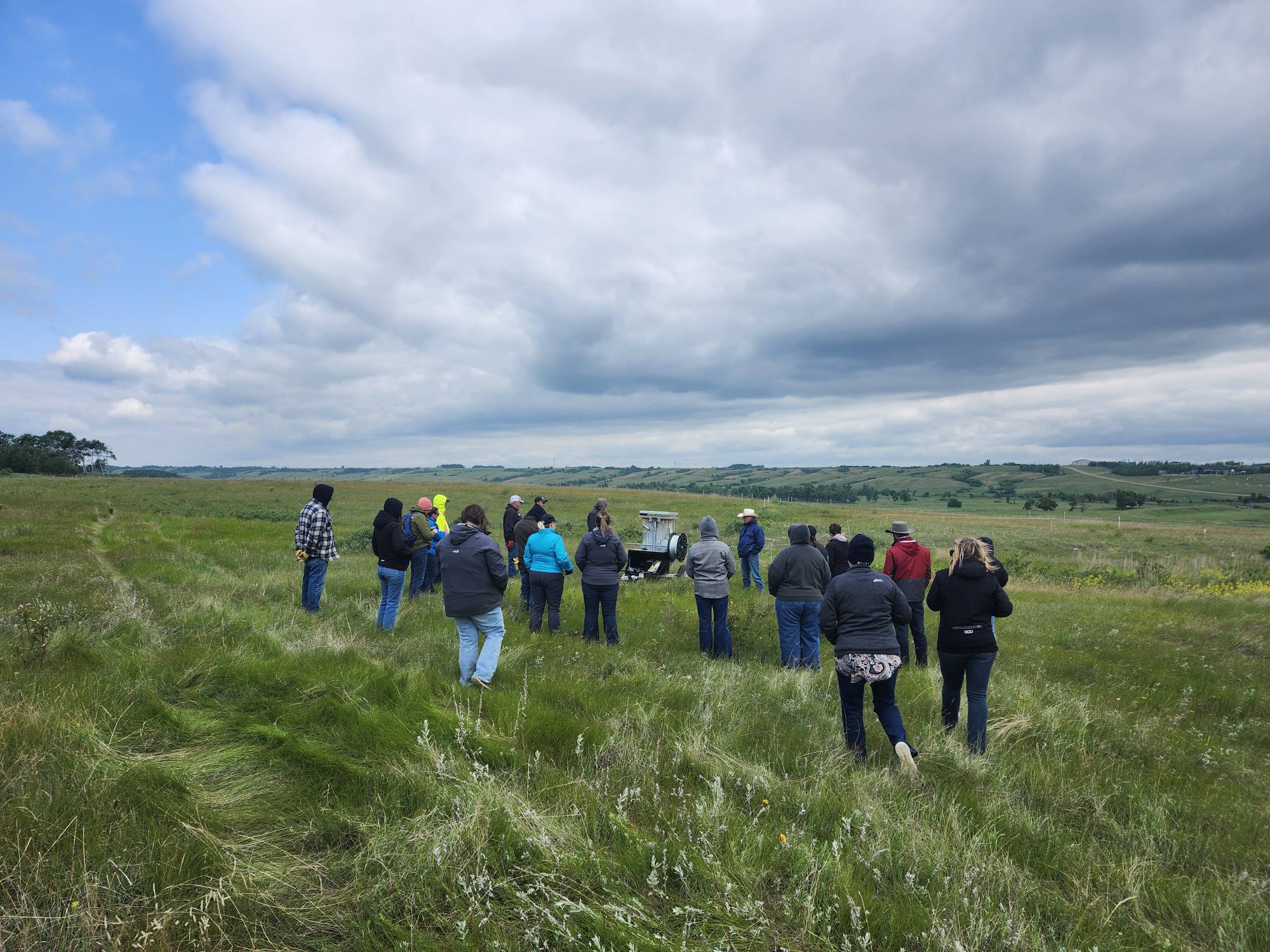
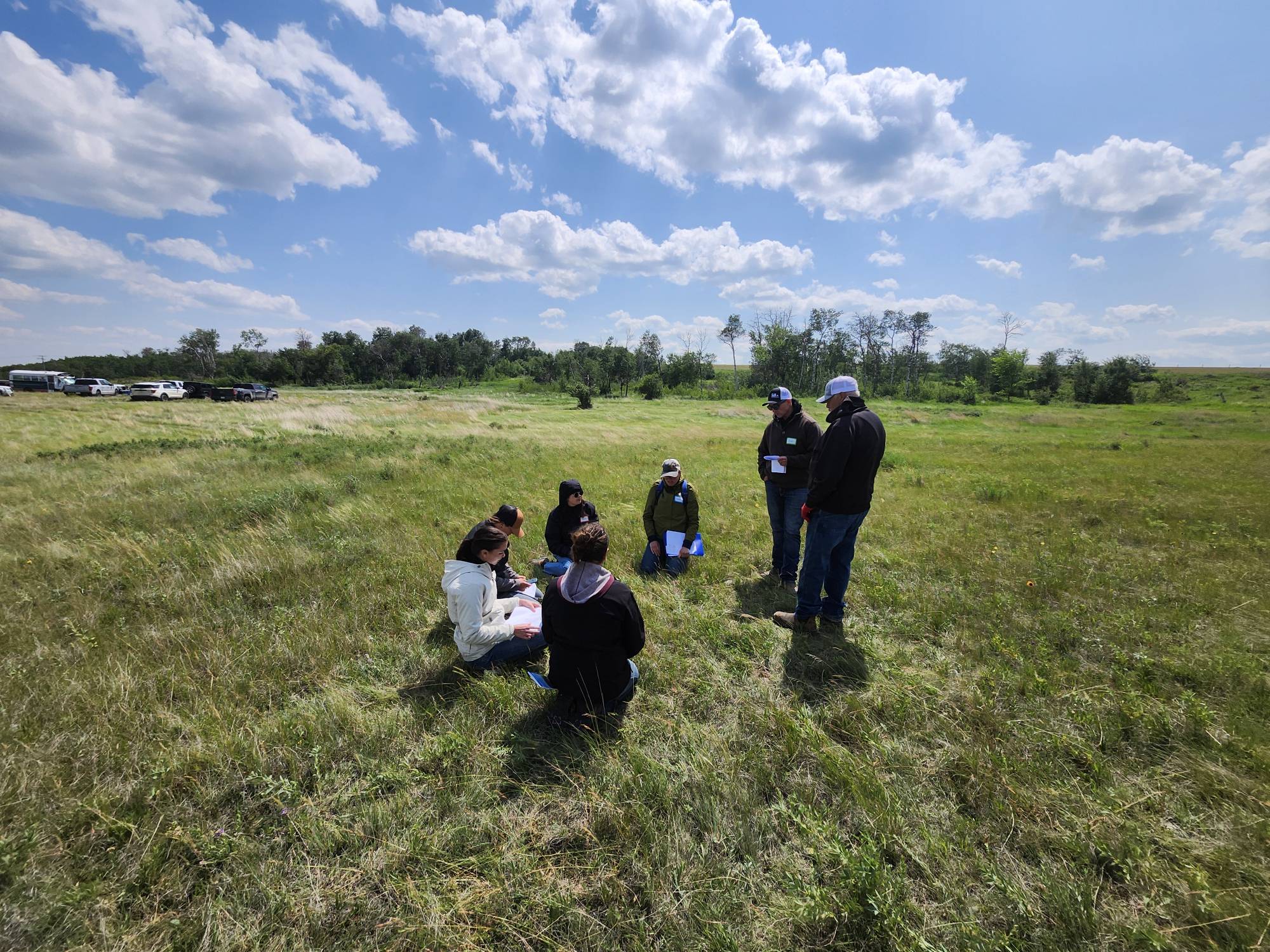
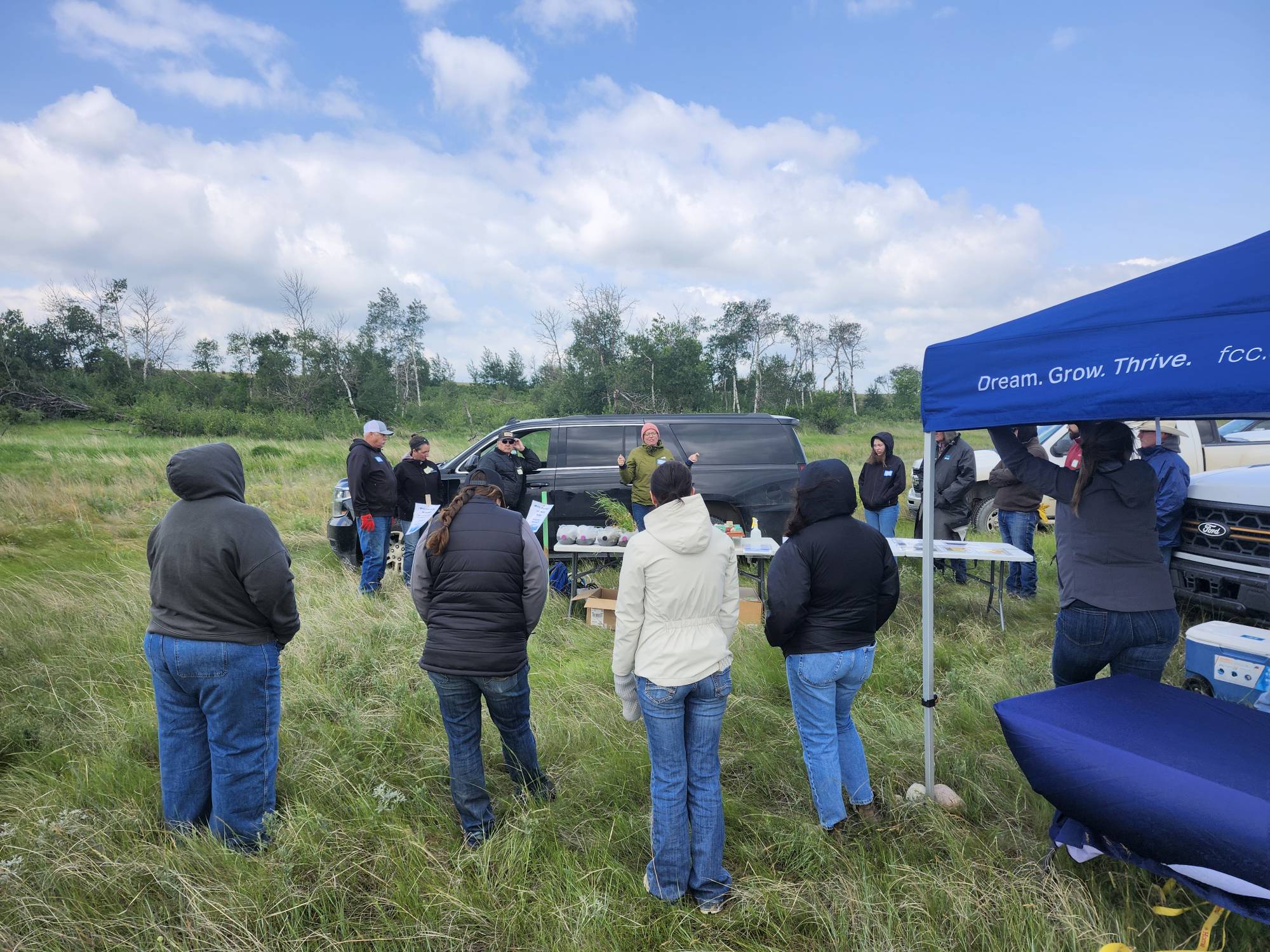
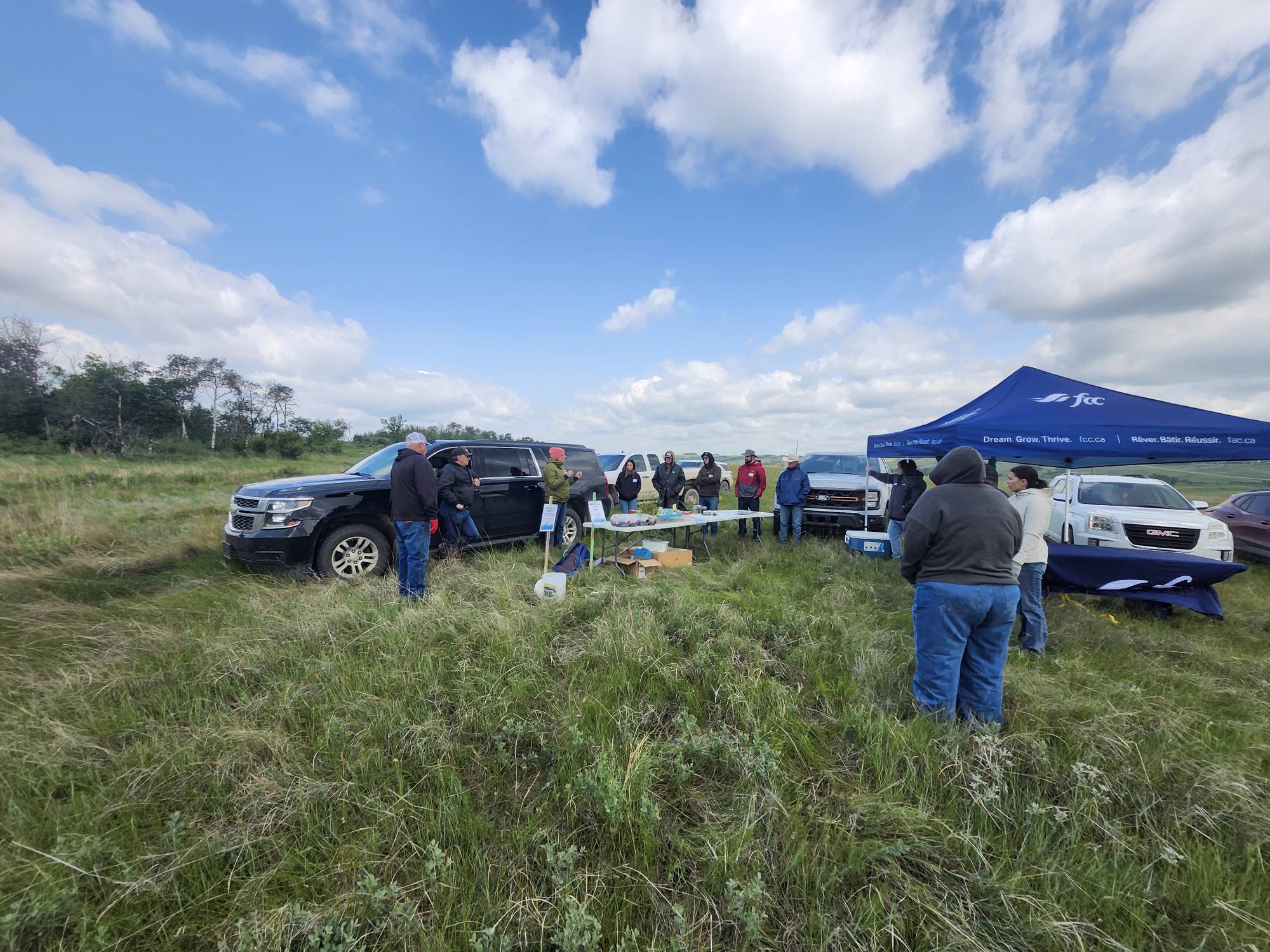
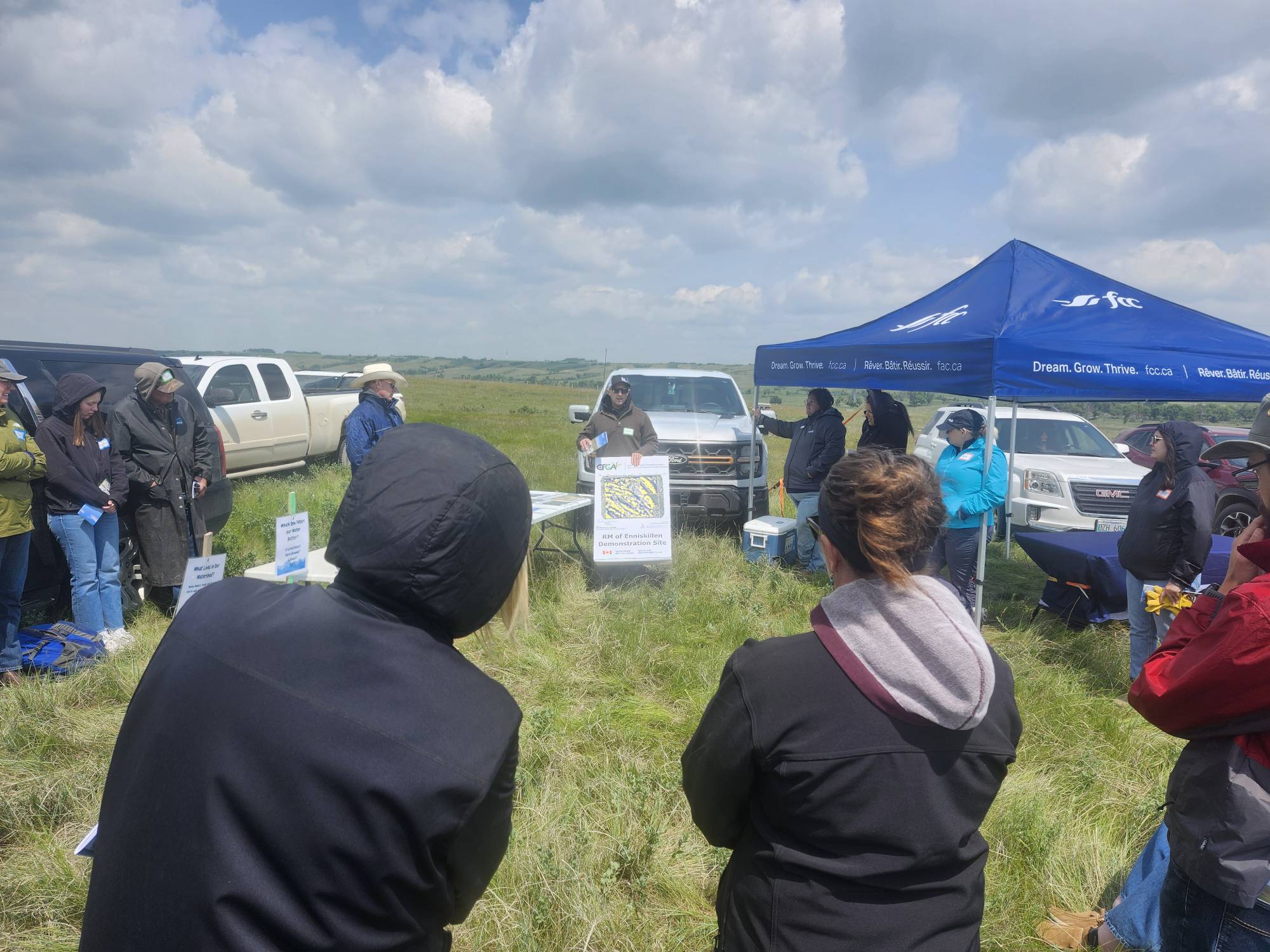
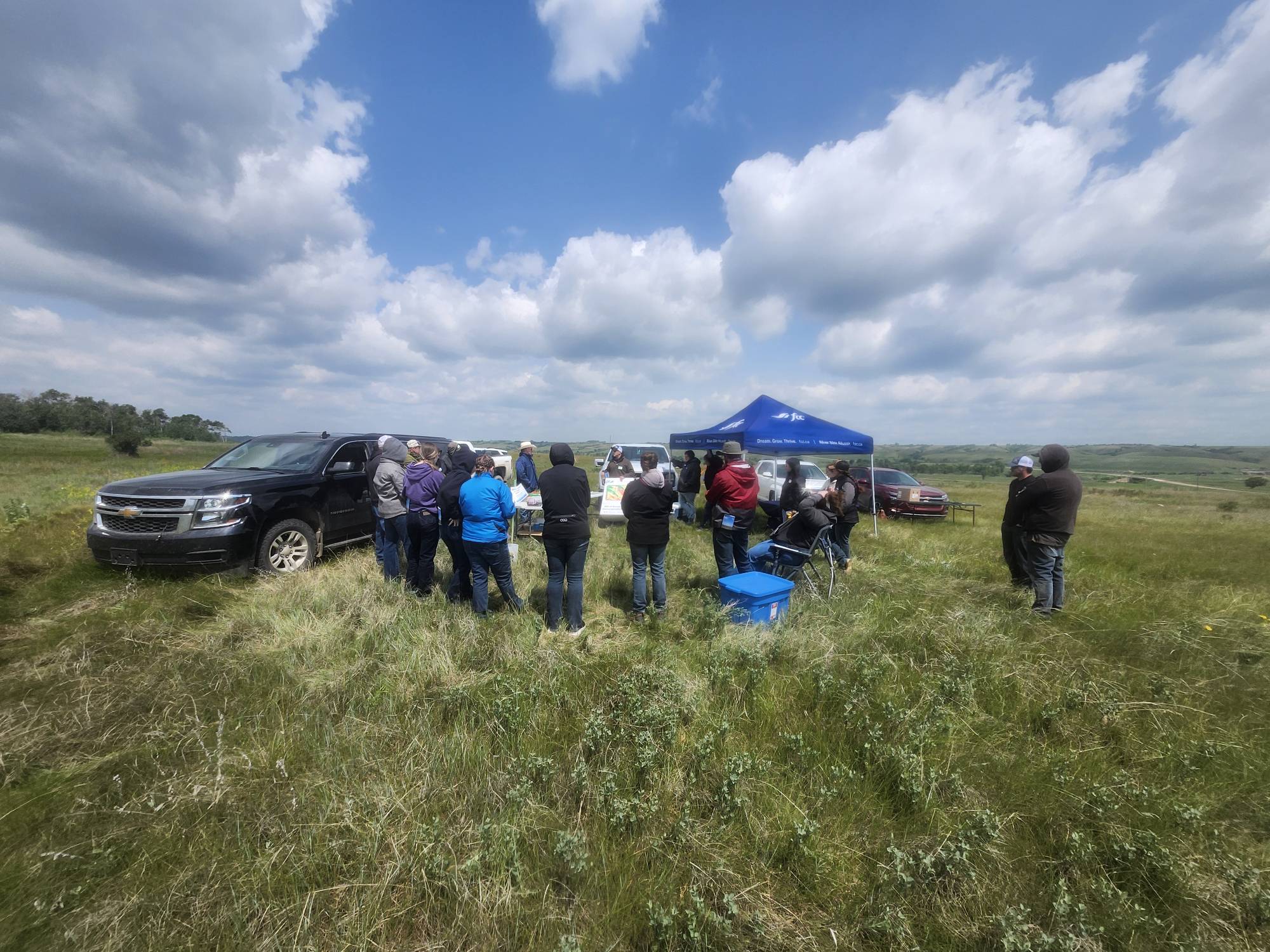
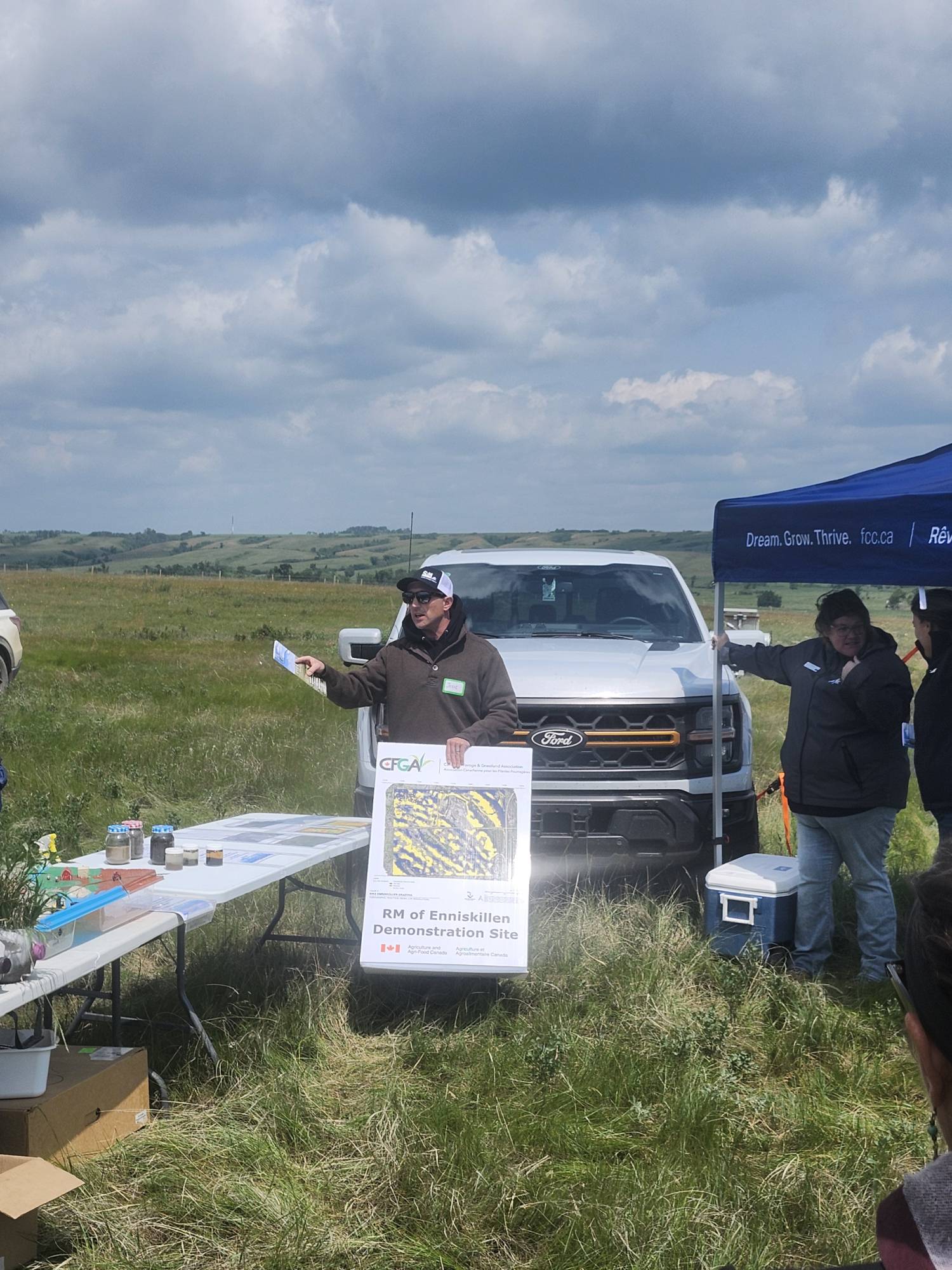
The second field day, held in June, welcomed 25 attendees for a more in-depth look at the project. Participants learned about Ecological Outcome Verification (EOV) through Holistic Management and the Saskatchewan Ministry of Ag Range Health Assessment process. The day also included a demonstration and tour of the Razer Grazer system, highlighting how temporary fencing supports adaptive grazing management.
Additional Media
Funding for this project, in part, has been provided by Agriculture and Agri-Food Canada through the Agricultural Climate Solutions – On-Farm Climate Action Fund.