Site Background
About the Location
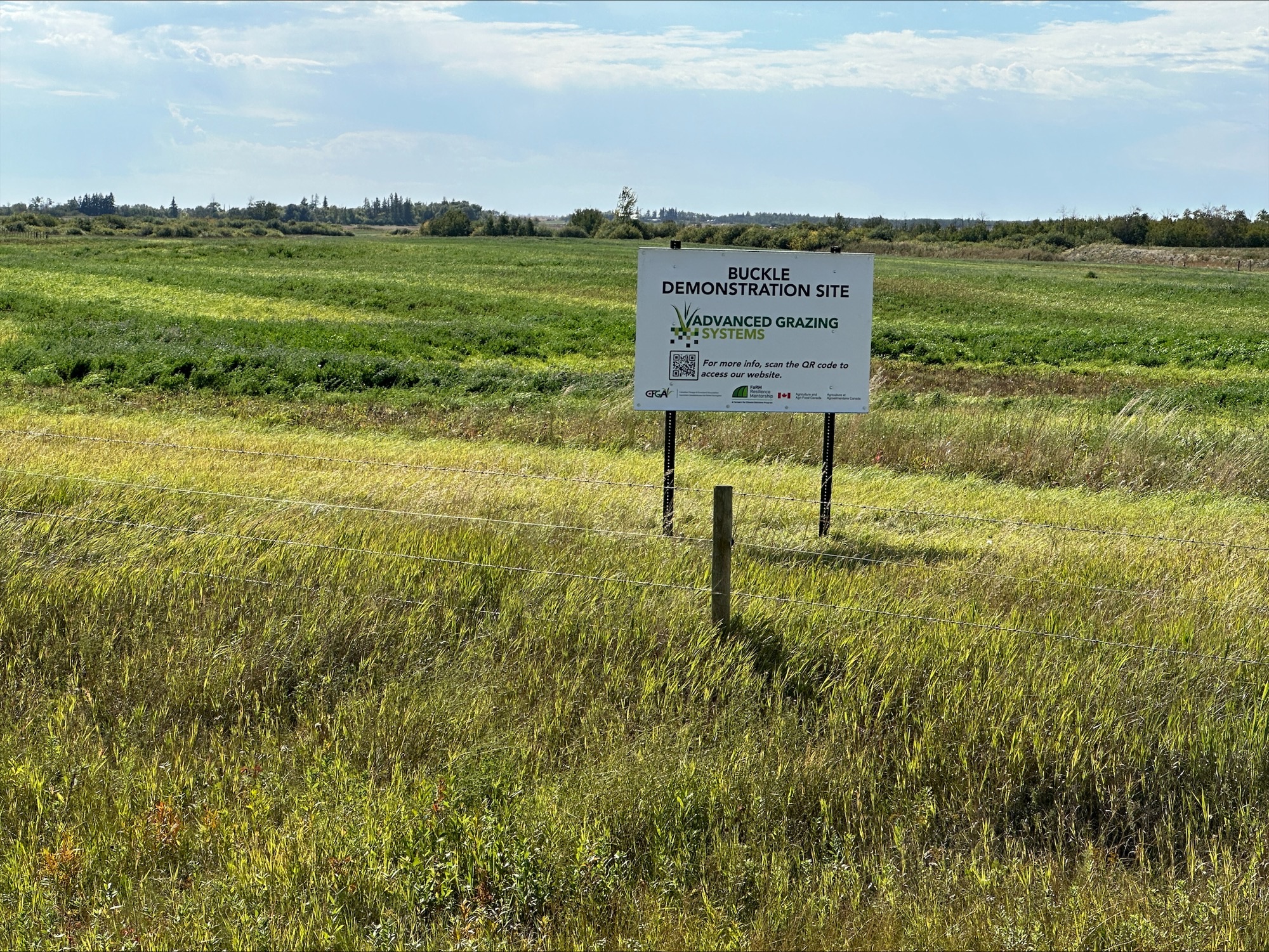
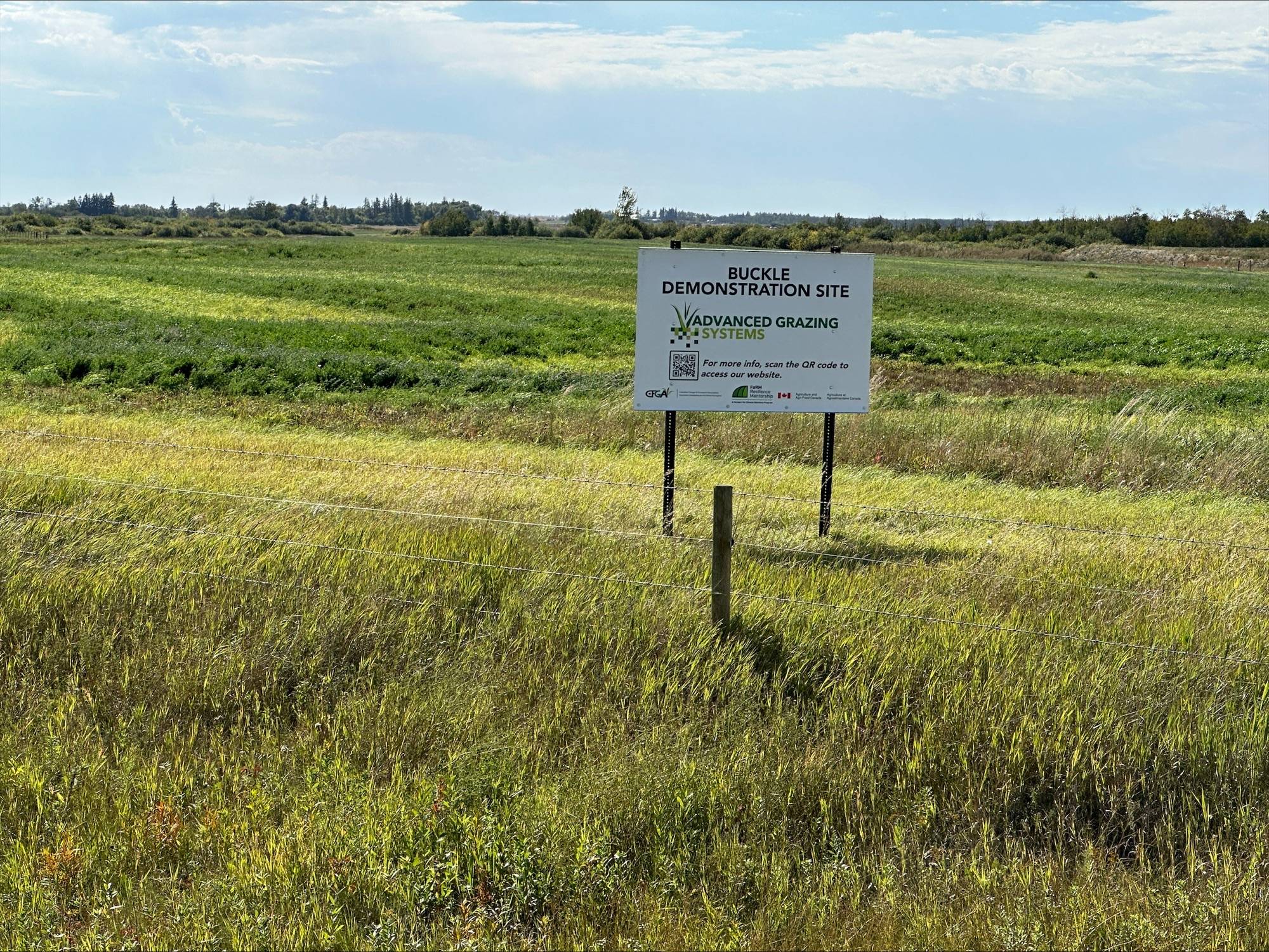
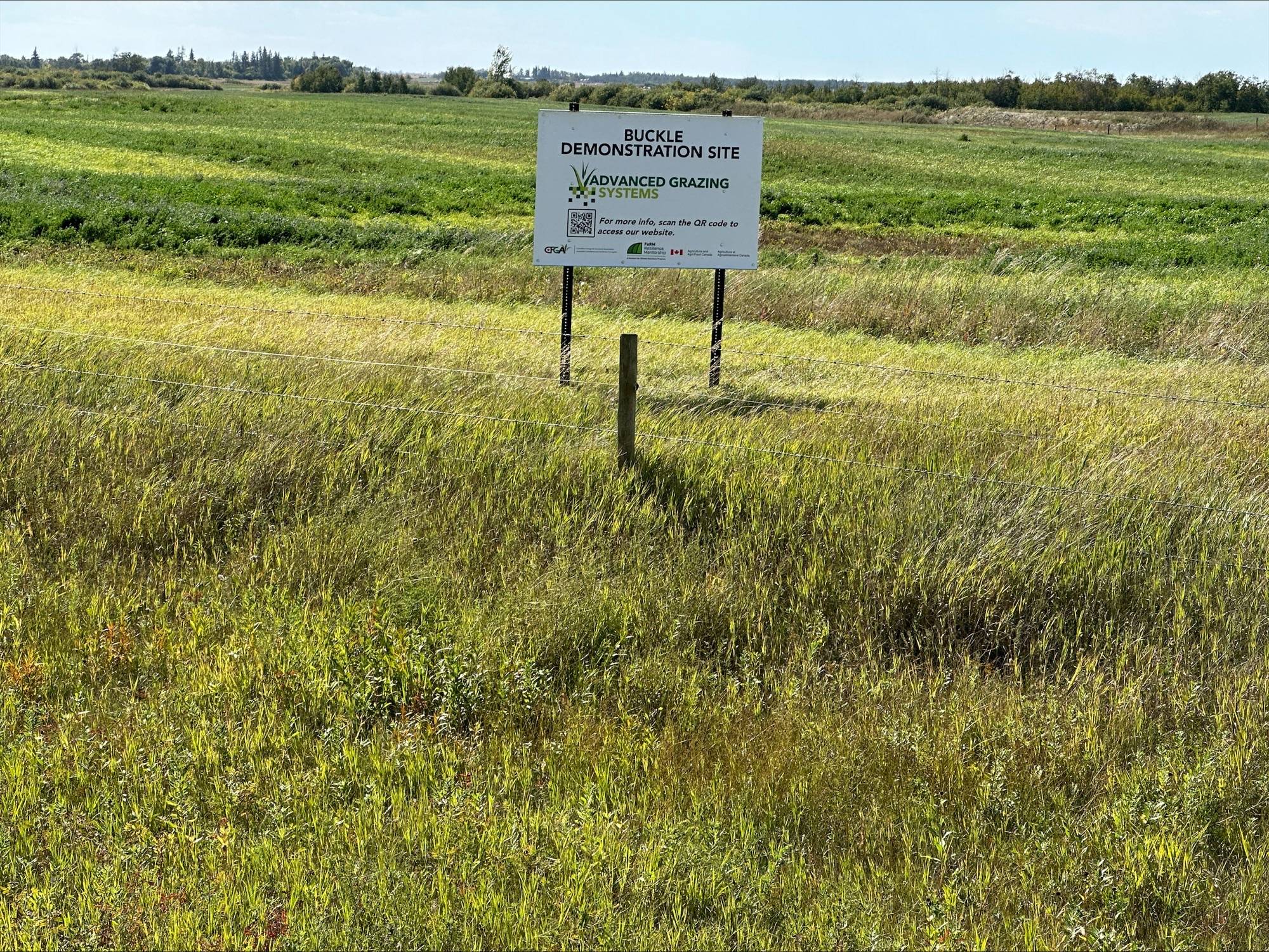
The Buckle Demonstration Site is located within the Aspen Parkland ecoregion south of Grenfell, Saskatchewan. Dominant native vegetation includes trembling aspen and bur oak groves, with mixed tall shrubs, willows and sedge species in poorly drained areas and fescue and wheatgrass species in the uplands. Rich, black Chernozemic soil and level topography of the area have resulted in the predominance of annual cropland with some areas of productive native and domesticated pasture.
This region typically sees 400-500 mm of precipitation annually. Summer temperatures average 15°C and winters average -12.5°C with continuous snow cover.
Small lakes and sloughs create rich riparian habitats that support white tailed deer, coyote, snowshoe hare, red fox, northern pocket gopher, ground squirrel, sharp-tailed grouse and black-billed magpie, and various waterfowl species.
About the Farm
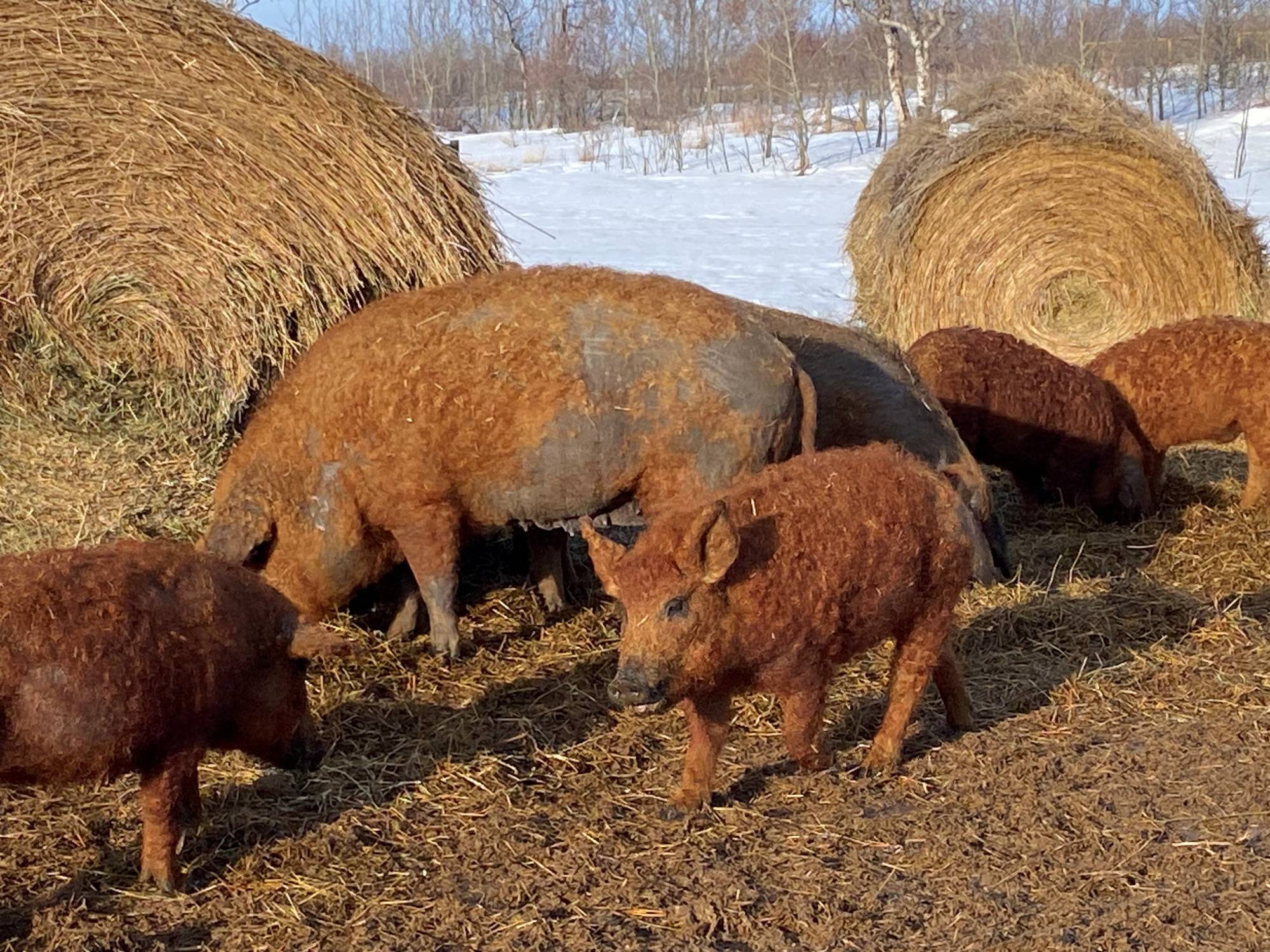
Nichole and Robbie Buckle co-founded their southeastern Saskatchewan farm in 2020. Currently backgrounding cattle, the Buckles hope to establish their own beef herd in the future. Their farm is home to two well-established, closed heritage breed herds—Mangalitsa pigs and Black Belly sheep—both managed through a small rotational grazing system the Buckles implemented in 2022.
Learning about Rotational Grazing
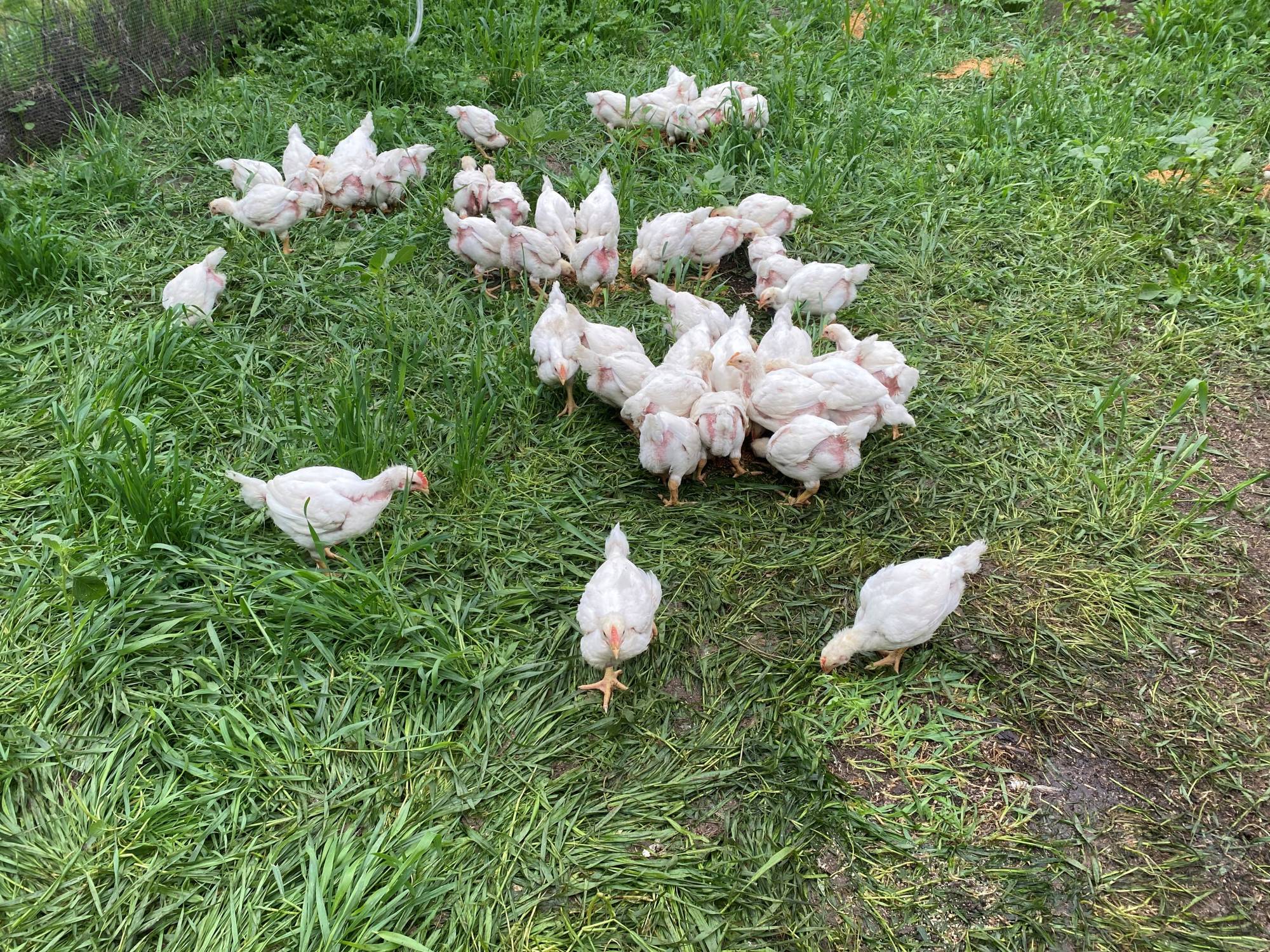
Soon after purchasing their land, the Buckles became aware of the lasting impacts of previous cultivation on their soil. With rising synthetic fertilizer costs, they transitioned to regenerative farming in order to maximize the productivity of their land in the most cost-effective way. Interest in implementing rotational grazing led them to explore several learning opportunities including networking with other farmers and making use of online resources. In 2022, the Buckles purchased a mix of meat and laying chickens, pigs, sheep, and goats to begin their small-scale rotational grazing program.
The Rotational Grazing Objective
The rotational grazing objective of this farm was to maximize the animal units on the land while improving pasture soil health and increasing production. The Buckles also recognize that healthy soils and plant communities contribute to sustainable and thriving environments and have an interest in advancing practices that support long-term ecosystem health.
Agronomic Details
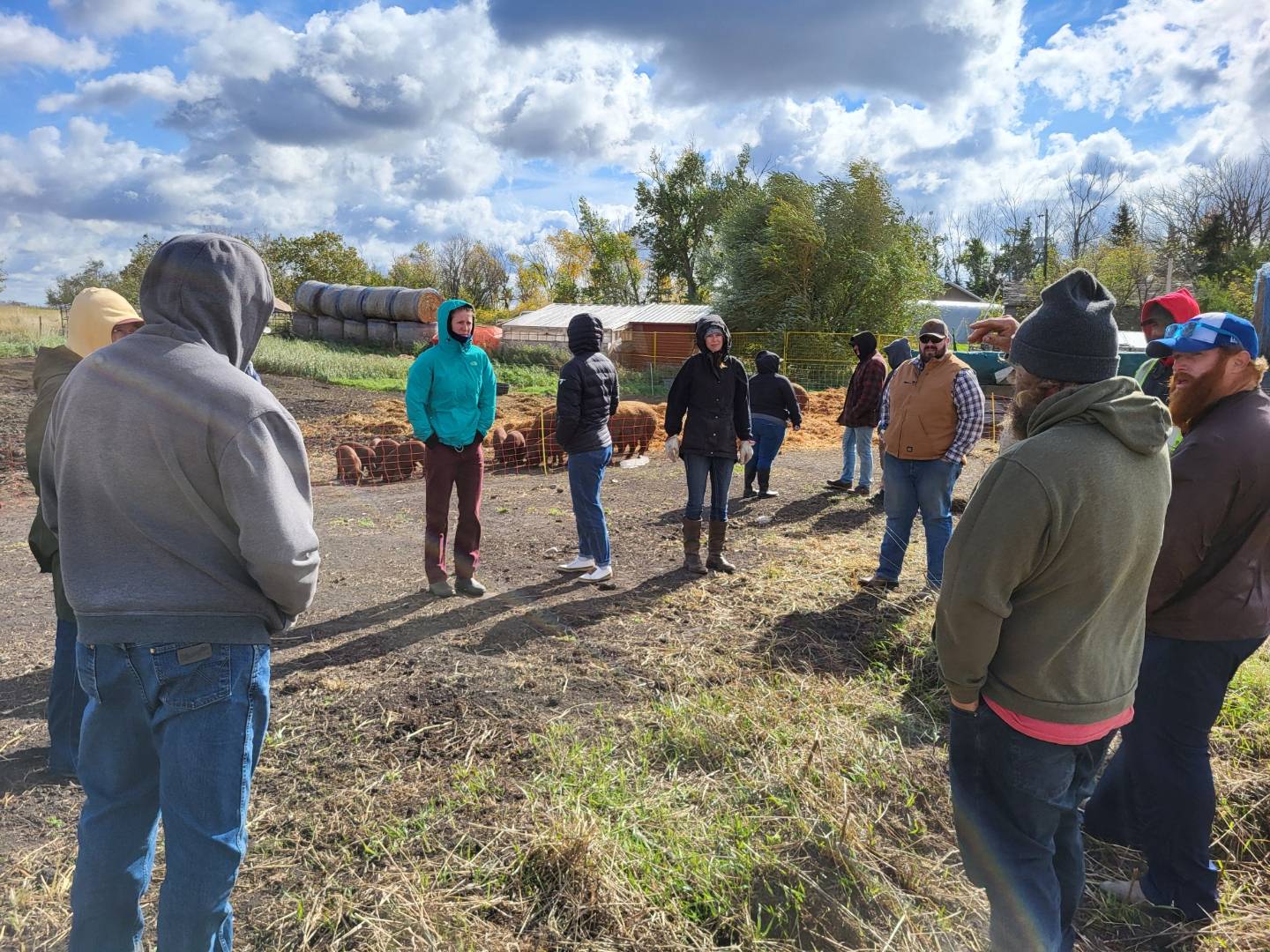
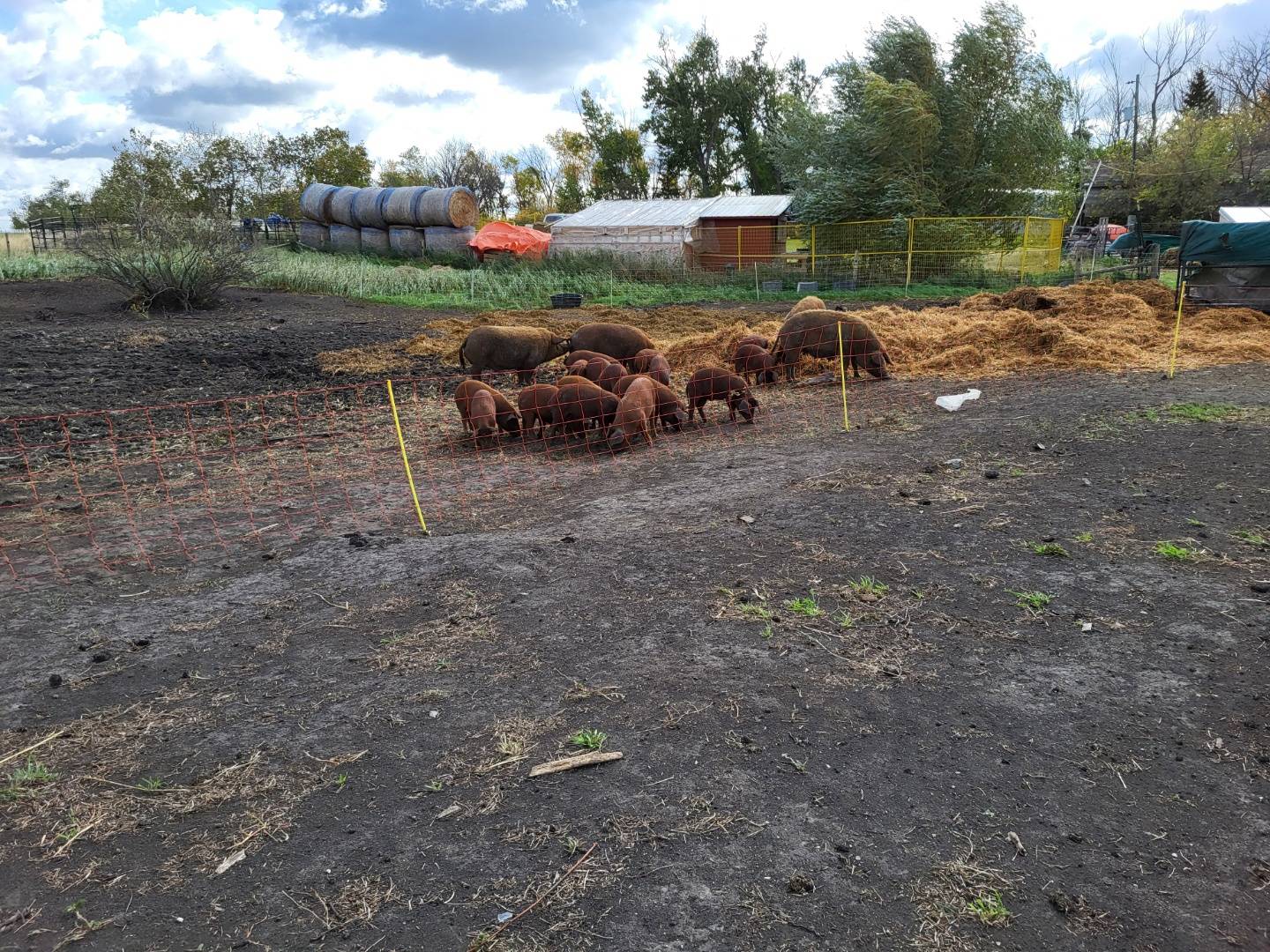
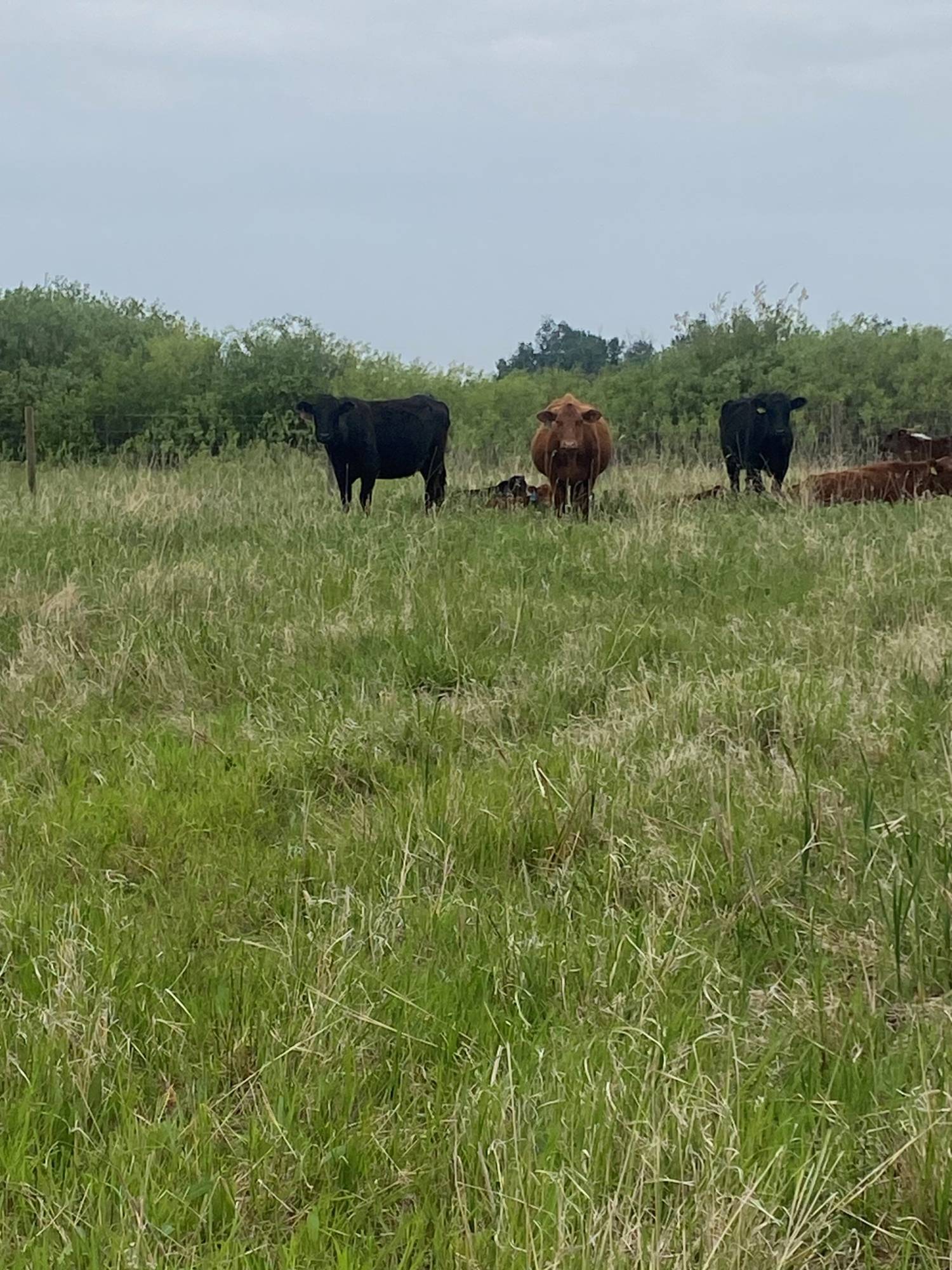
The Buckles’ intention was to develop a rotational grazing system on the quarter section of land adjacent to their house and yard. In 2021, the couple created a multi-year implementation plan and completed several initial projects, converting cultivated land to perennial cover, perimeter fencing the entire quarter and constructing small holding pens, winter feeding areas and a new dugout as their main water source. From June 1st to September 30th, 78 head of cattle moved through 10-acre paddocks every seven to 10 days using portable panels and poly wire. Sheep and pigs were also rotated every seven to 10 days but in smaller 0.5-0.25-acre paddocks using a combination of electric netting and panels. The Buckles plan to move all livestock more frequently, recognizing that further water development and additional fencing are necessary to accomplish this.
Project Overview
Grazing Map
Buckle Grazing Plan Map 2024
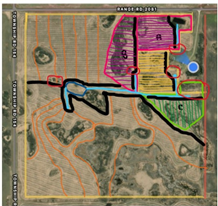
Light Blue Line: New water pipeline/water bowls
Blue Circle Outline: dugout completed 2023
Black Line: alleyway
Colored lines: temporary paddocks for rotational grazing
Short-Term Goals
The Buckles’ plan includes increasing the amount of forage produced on their existing land base. To accomplish this, 25 acres of near bare spots would be reseeded and another 50 acres have seed added to the stand, in order to rejuvenate the existing resource and provide additional feed within a year.
Several types of additional fencing, including hotwire, panels, temporary and permanent, would ensure safety for the herds and improve handling efficiency.
Pipeline would be used to directwater to all pens simultaneously and accommodate all livestock. This would allow for flexible paddock shape and size and an increased number of moves in the grazing plan. The Buckles understand that more moves equals more rest and recovery time, helping them move toward their goal of increased production for their farming operation.
Long-Term Goals
Nichole and Robbie Buckle have a deep appreciation of regenerative farming practices and the time and effort they require. They have embarked on a dynamic multi-year plan to create an overall healthier landscape. Using sheep, pigs, and cattle they feel their rotational grazing can improve soil structure through animal impact and controlled utilization. Increasing litter and natural fertilizer will stimulate nutrient cycling with the goal of improved soil microbial activity and water infiltration. The Buckles’ ultimate goal is the creation of aa sustainable operation for local wildlife, livestock and themselves.
Site Description
The project encompasses 155 acres adjacent to the Buckles’ home and yard. The forage stand seeded in 2022 was thin, with bare spots where poorly established grass was lost to winterkill during its first season. The Buckles saw potential for greater production. A perimeter fence and a dugout were already in place.
Project Details
Seeding took place in spring 2024 to regenerate existing pastureland, improve crop diversity and soil health, provide additional forage, and add forage specific to the nutritional needs of the pigs and sheep. This reseeded section will not be grazed in the summer of the first year.
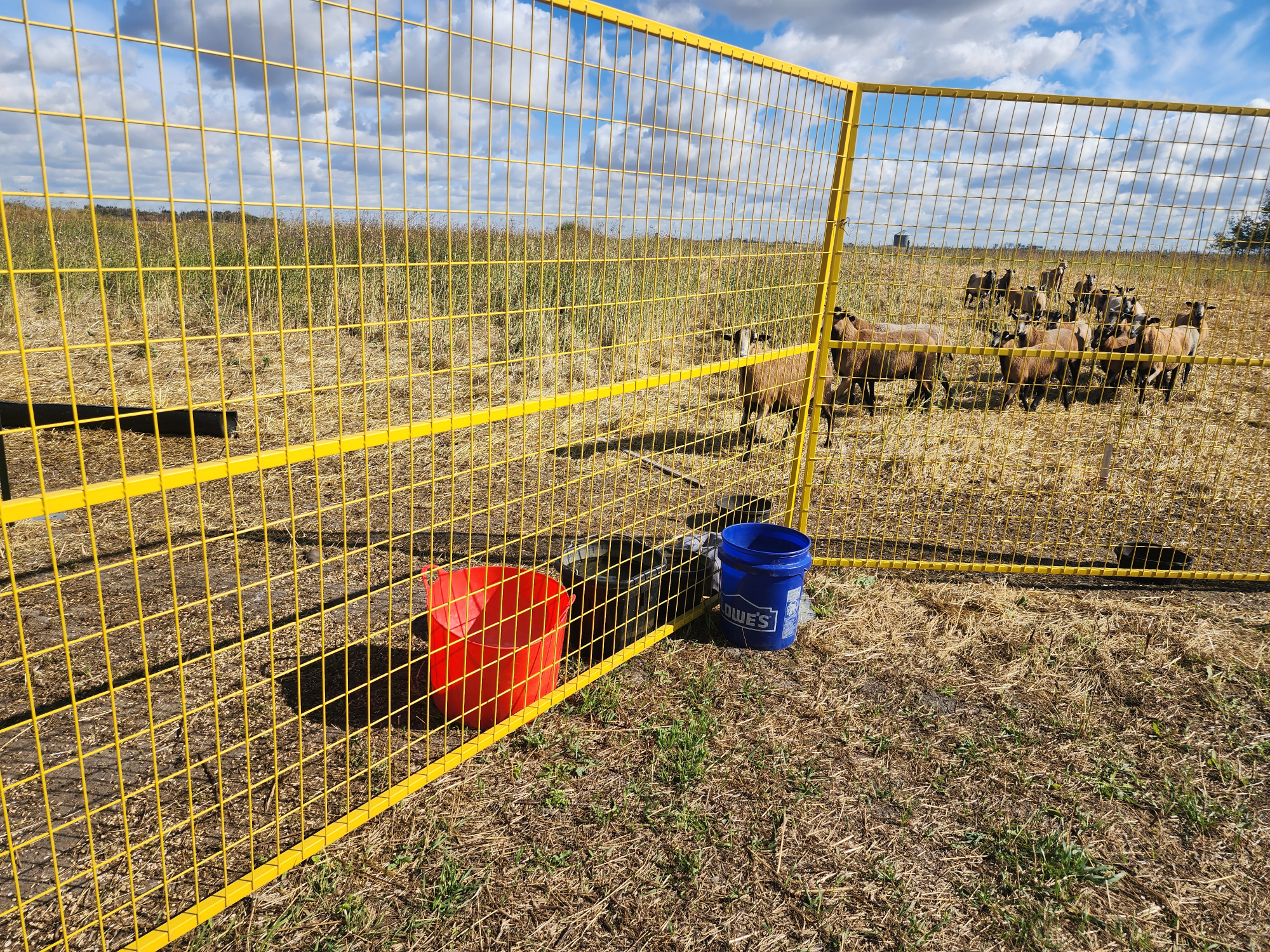
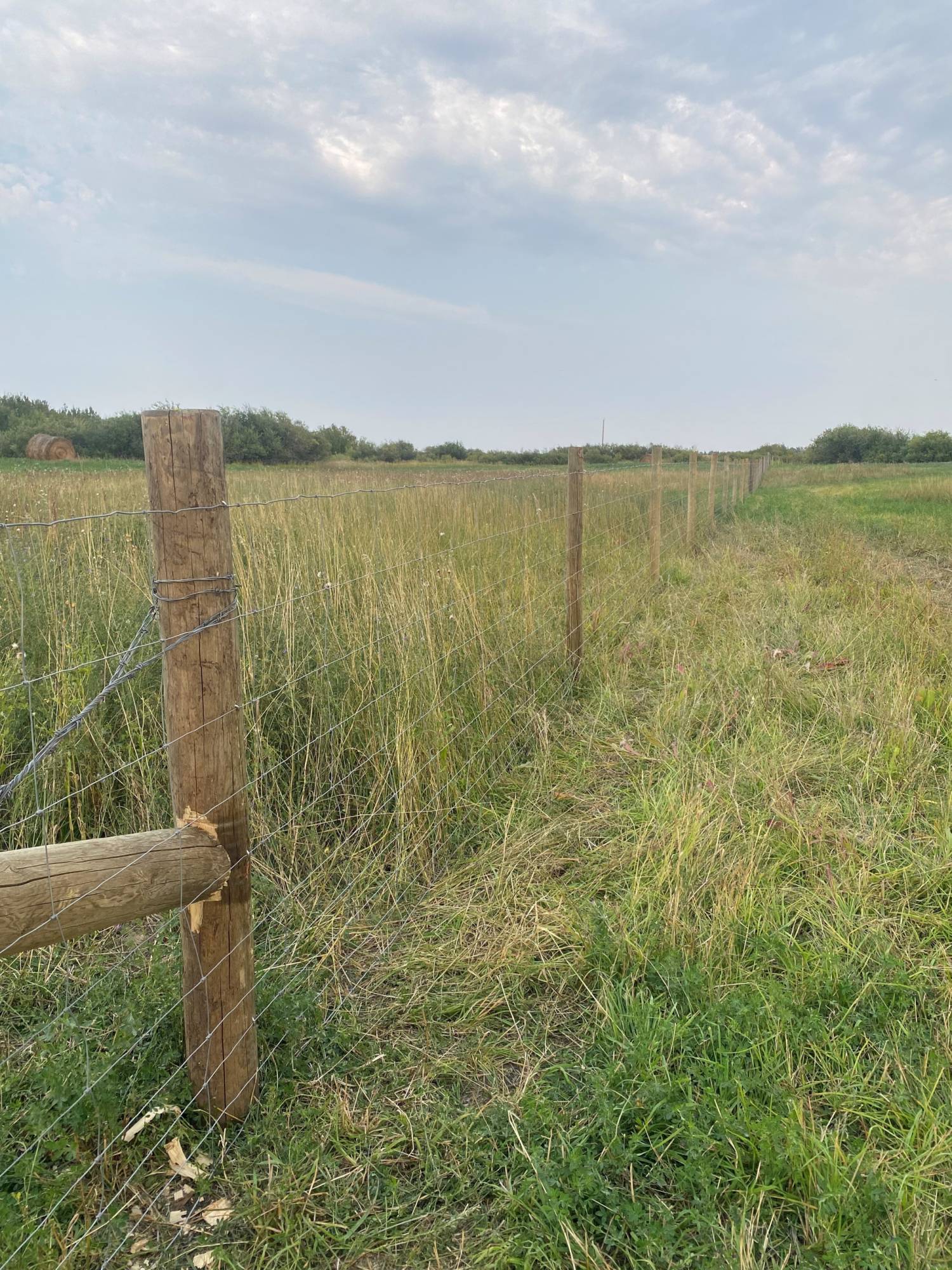
Three permanent paddocks were built for the sheep using field fence and two high tensile wire were added to the existing fence. This improvement will allow the sheep security from predators, access to additional pastureland, larger grazing areas, and a greater number of temporary paddocks within the permanent paddock.
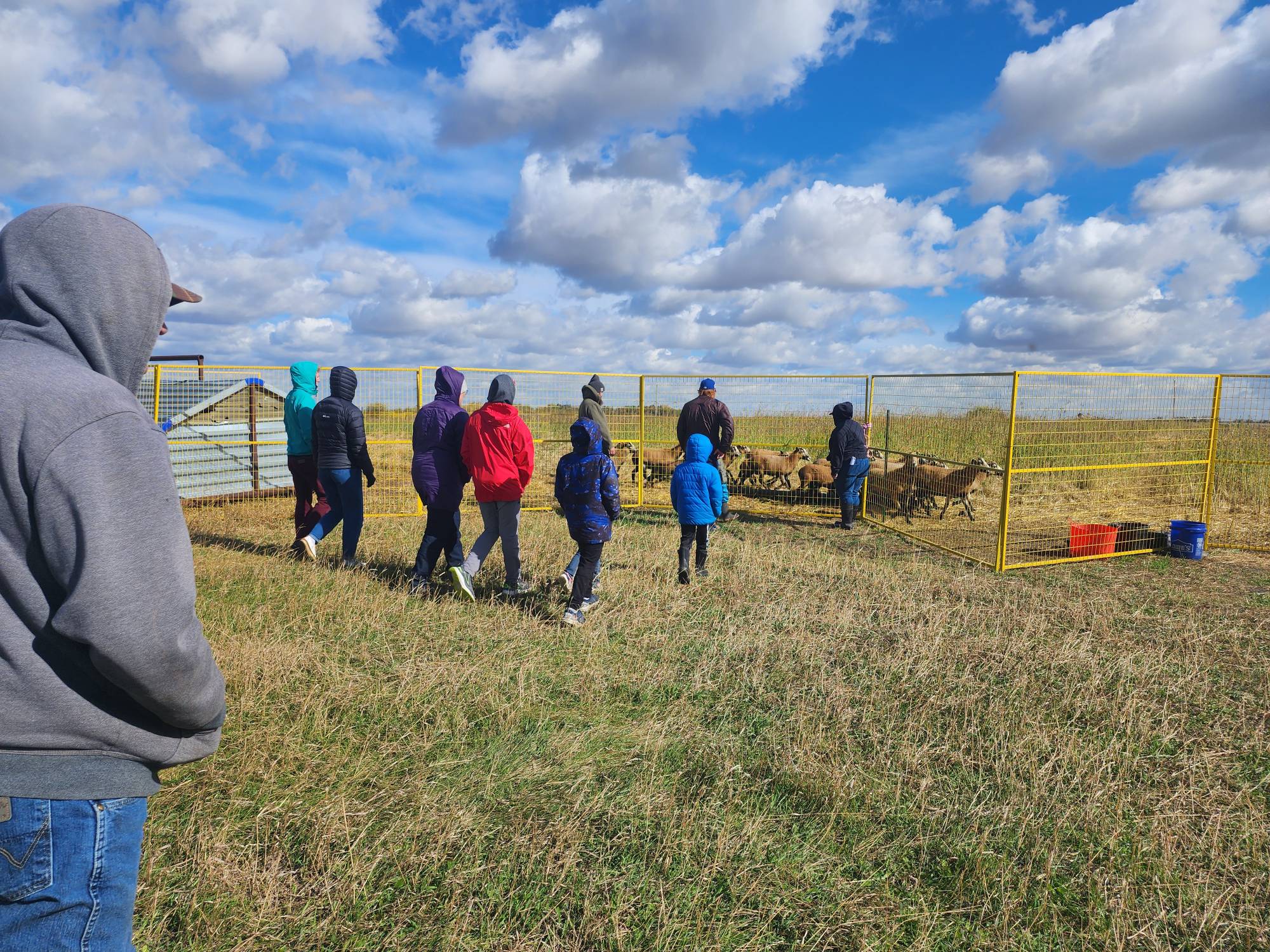
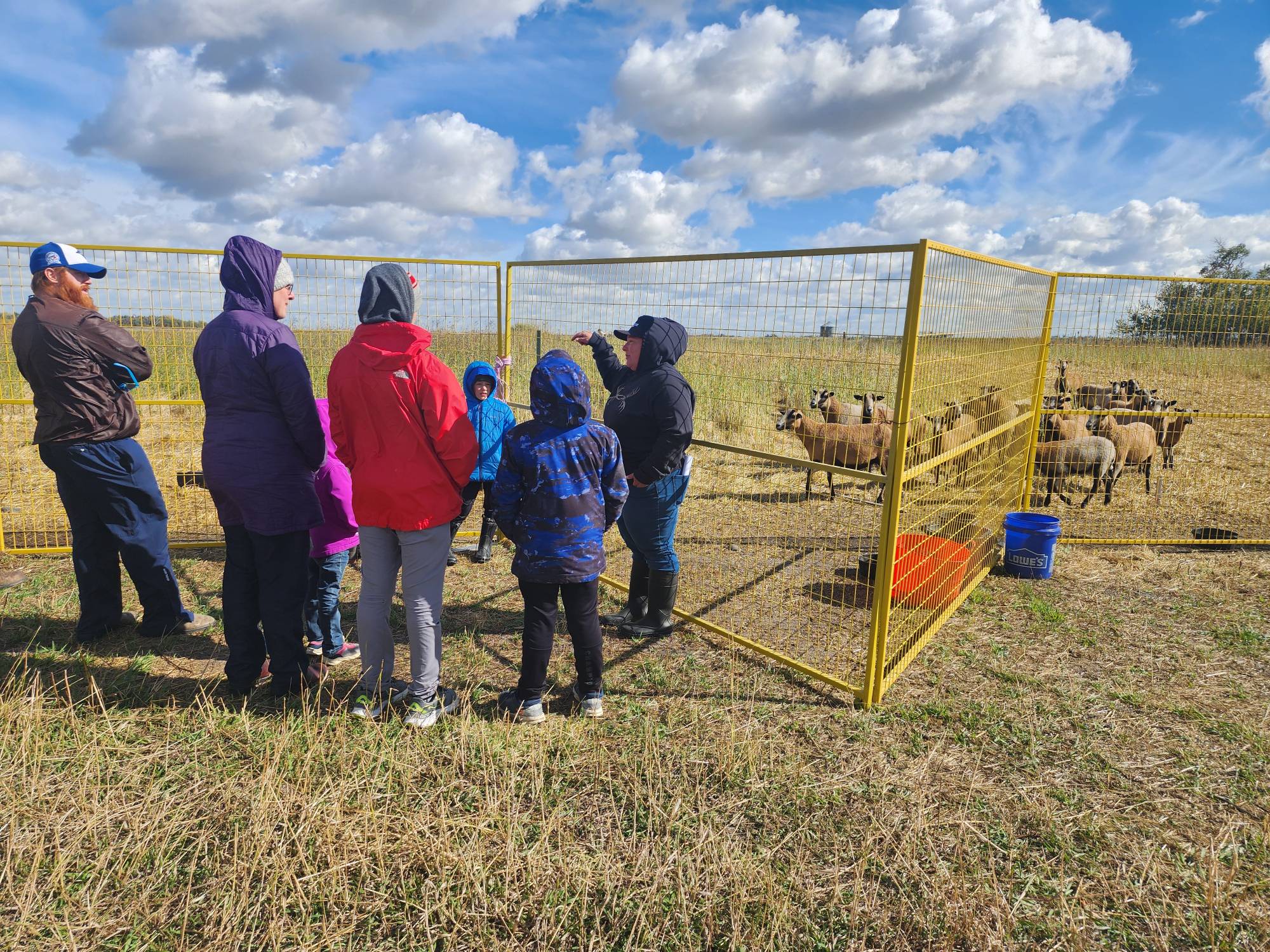
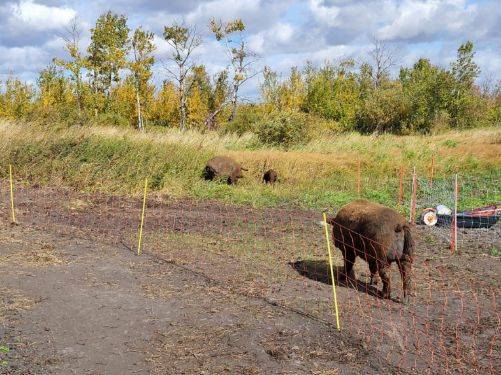
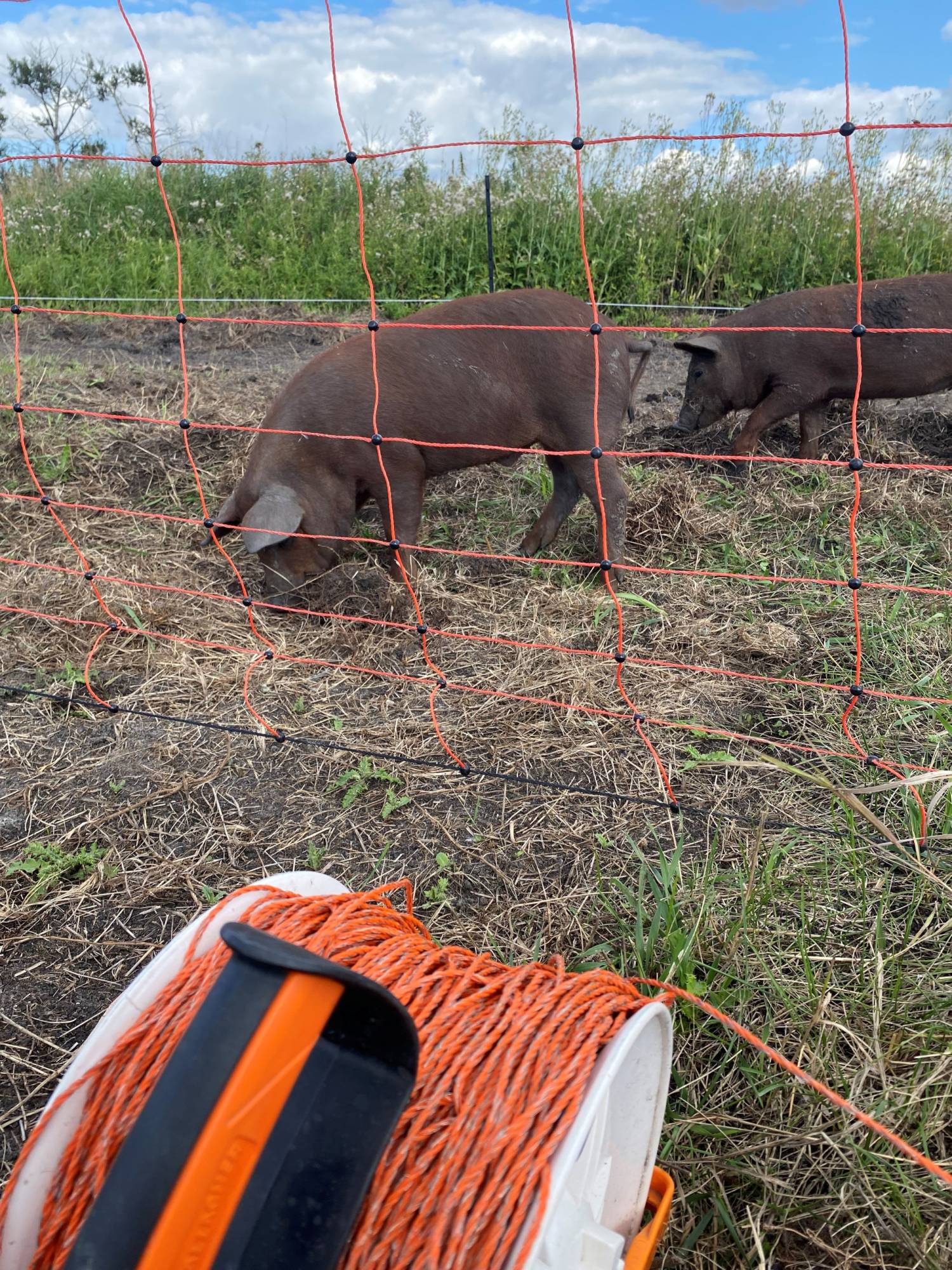
Portable fencing units were used to move cattle more frequently and efficiently with hotwire. The Buckles made use of electric netting to contain the rams while they moved through their rotations. Controlling the pigs’ movement required additional polywire, reels and step in posts. Remote fence testers for the system help sort out grounding issues and provides some comfort to the Buckles that all livestock are confined where intended and safe from predators.
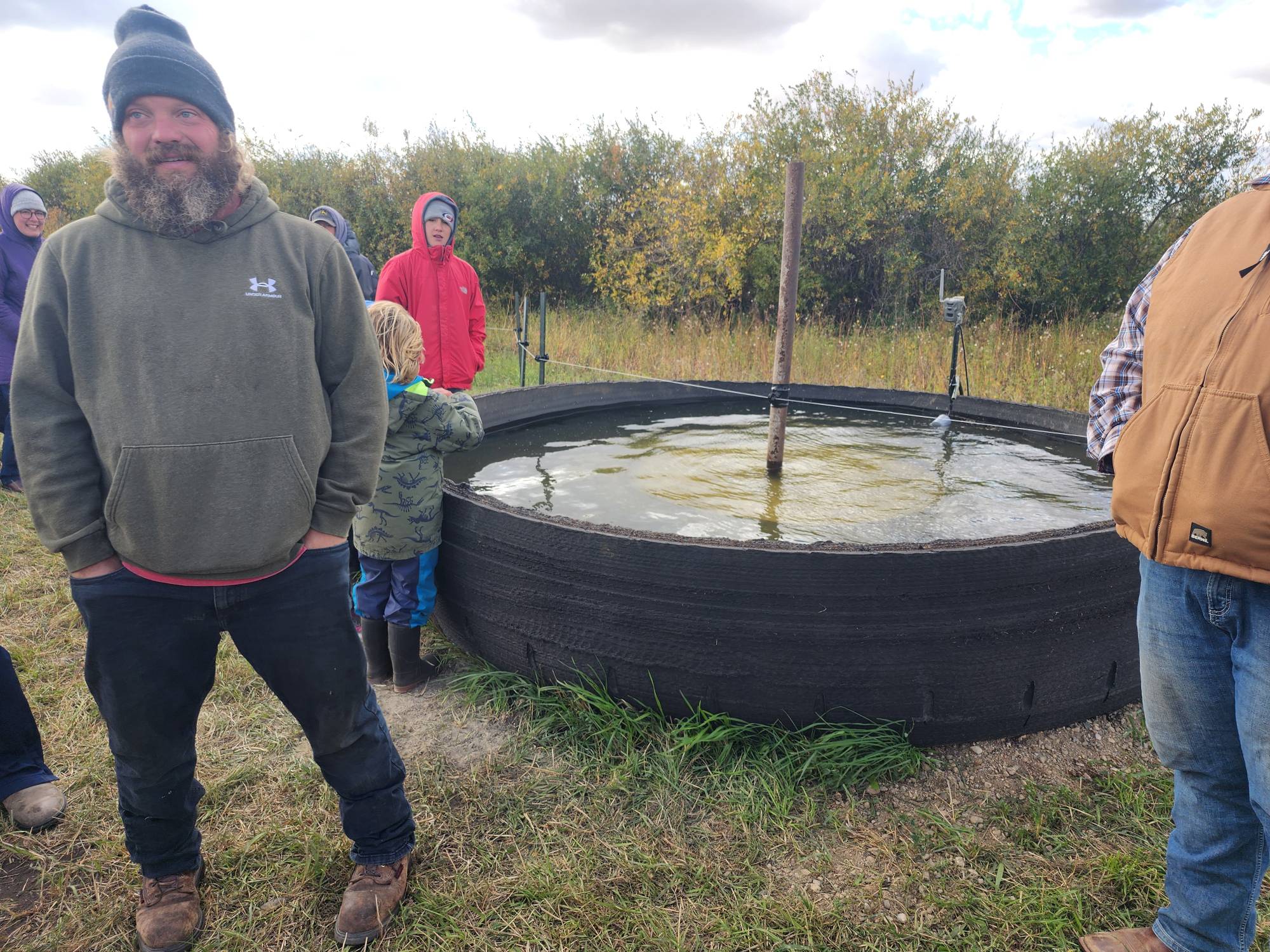
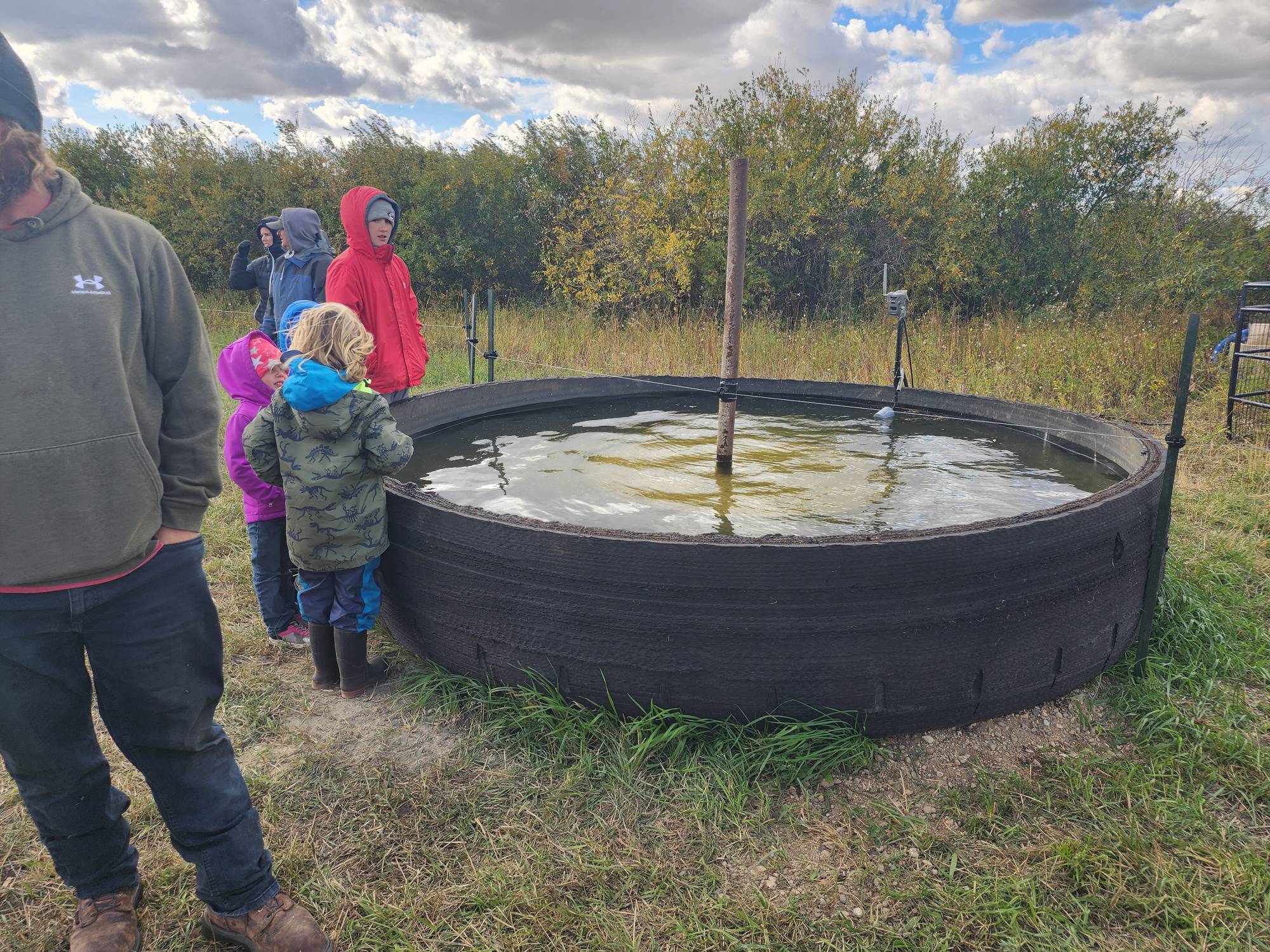
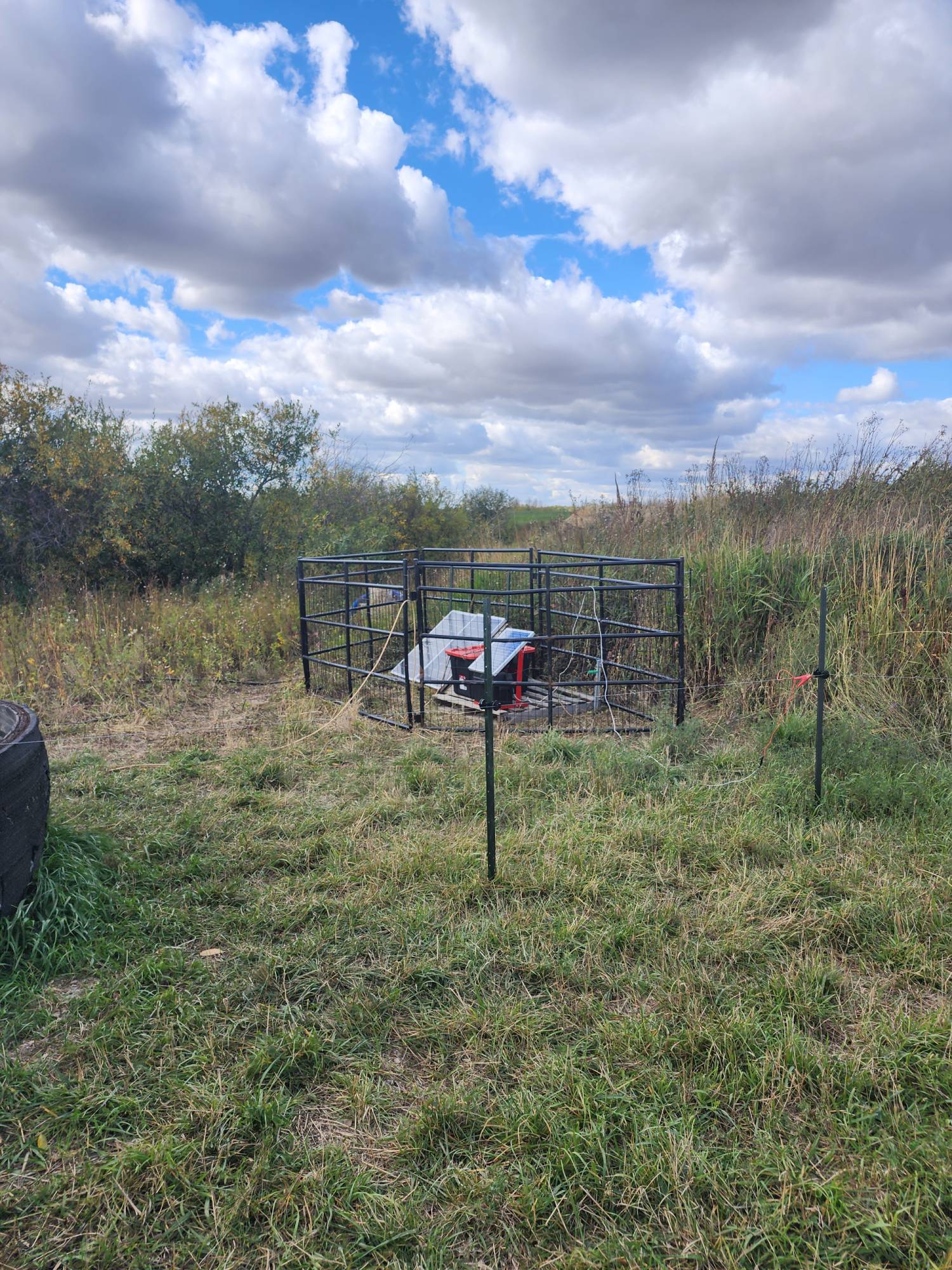
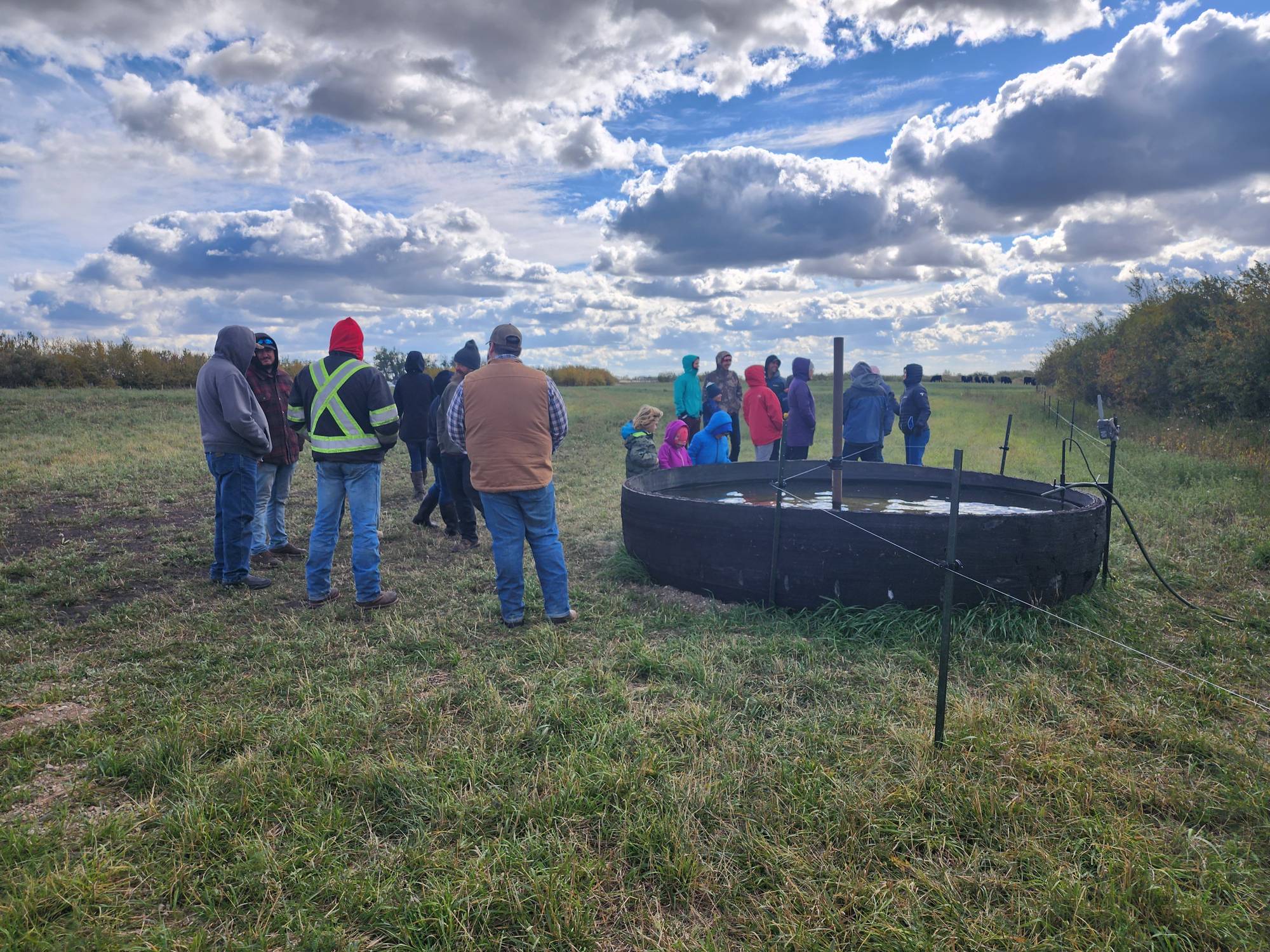
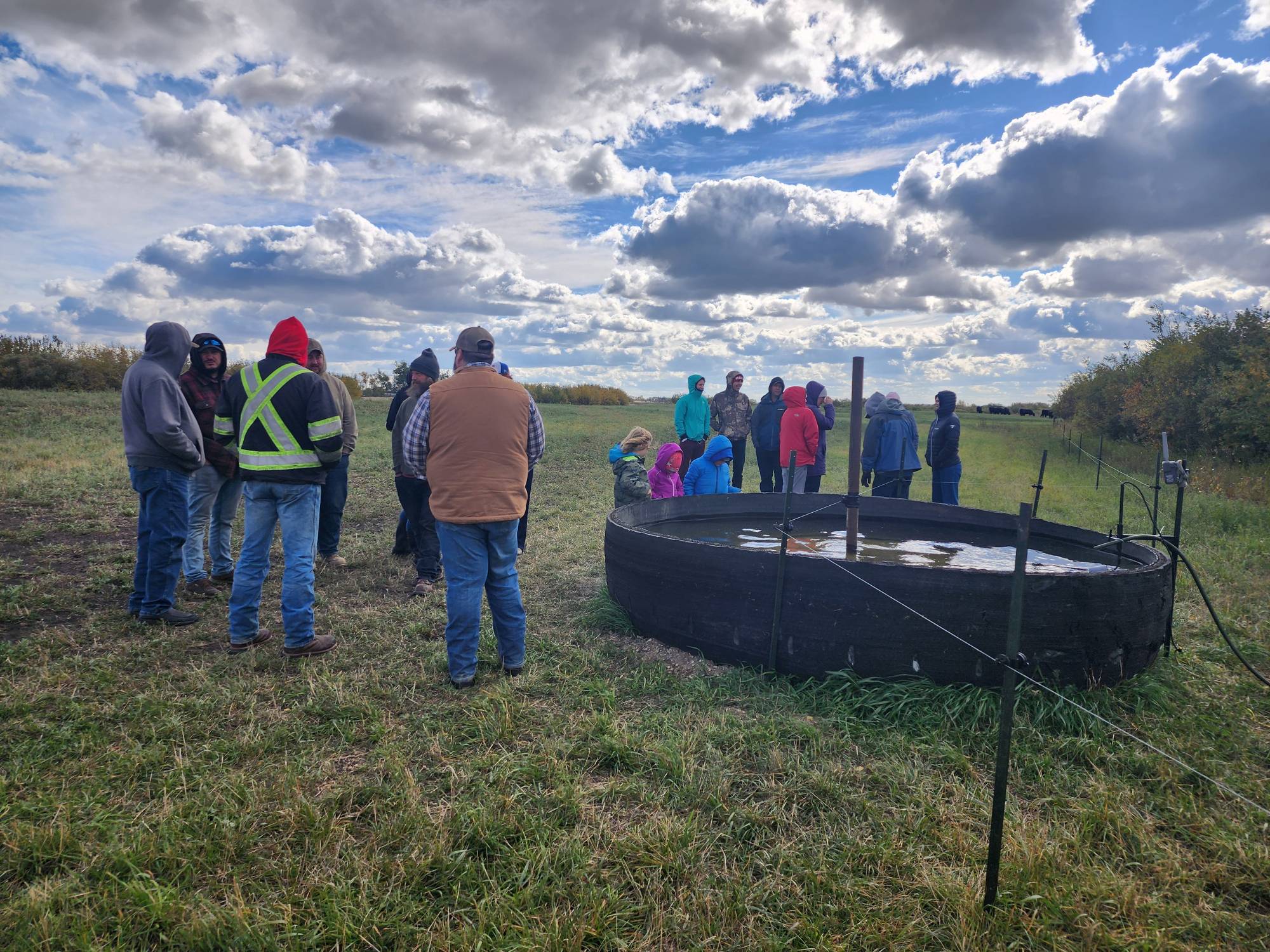
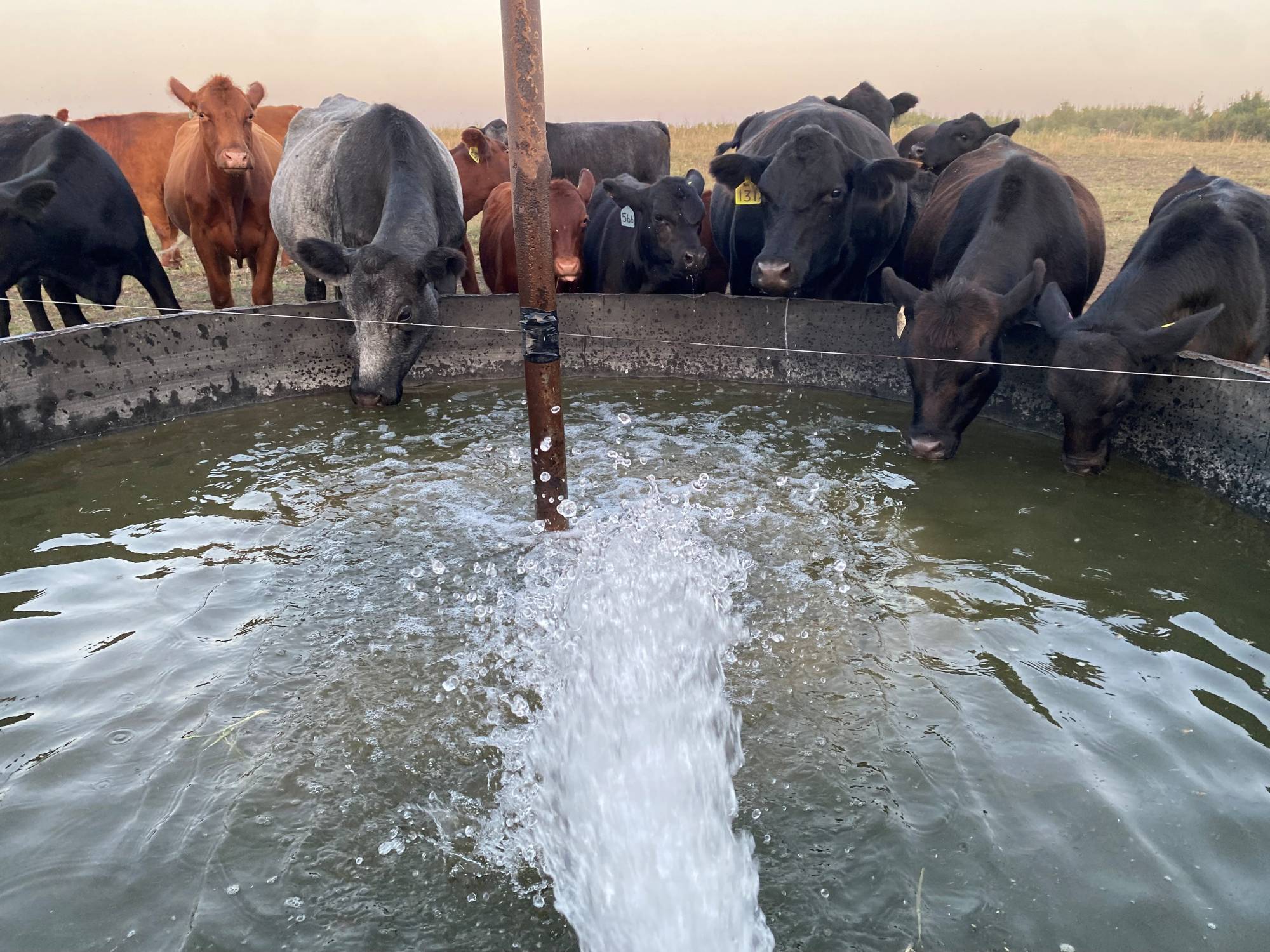
At the dugout site, polywire, step in posts, ground rod, and a solar charger were used to create an exclusion fence. For the water sites, 1” polyline and a solar-powered pump provide a portable tire trough with water from the dugout for the cattle. A combination of gas-powered pumps and 1” to 2” polyline supply the sheep and pig paddocks with water into troughs. Larger 1000 gallon totes will provide water storage as a backup source.
What’s Happening
2025
The Buckles have been grazing cattle, pigs and sheep through the paddocks with the five to seven-day rotation in 2025. The pigs did not adjust well to being moved often, so they have been separated into their own larger paddocks and not rotated as frequently as the cattle and sheep.
The animal impact on the soil and forages is already noticeable. Rotational grazing has helped with expression of more desirable plant species and has reduced the prevalence of weedy annuals. The forages benefitted from rest and responded with regrowth and productivity immediately following moisture events. This was especially noticeable with regrowth of the perennial forages after late season moisture in 2025.
In 2026, the Buckles plan to build semi-permanent cross fencing to create additional paddocks. Because livestock were not respecting the temporary poly-wire, the plan is to enhance the infrastructure while maintaining grazing schedules. The Buckles have expressed interest in taking soil samples to evaluate current biological activity of the soil with plans to reassess after several seasons of rotational grazing.
The couple will continue to monitor and make adjustments as needed, while enjoying the successes they have accomplished so far.
Additional Media
Funding for this project in part has been provided by Agriculture and Agri-Food Canada through the Agricultural Climate Solutions – On-Farm Climate Action Fund.