Site Background
About the Location
Millie Community Pasture Demonstration Site is located in the Mixed Grassland Ecoregion approximately 60 kilometres northeast of Maple Creek, Saskatchewan.
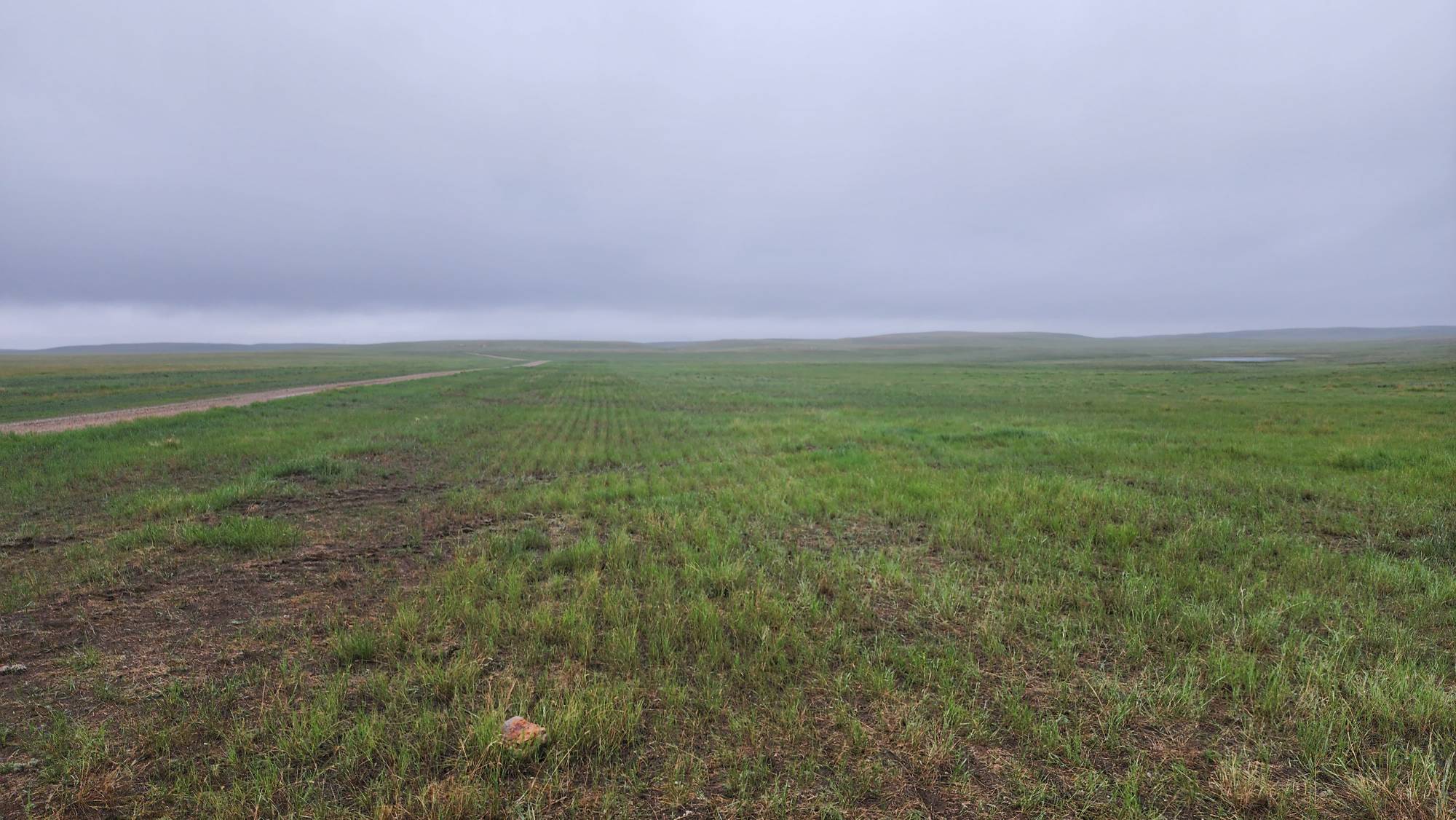
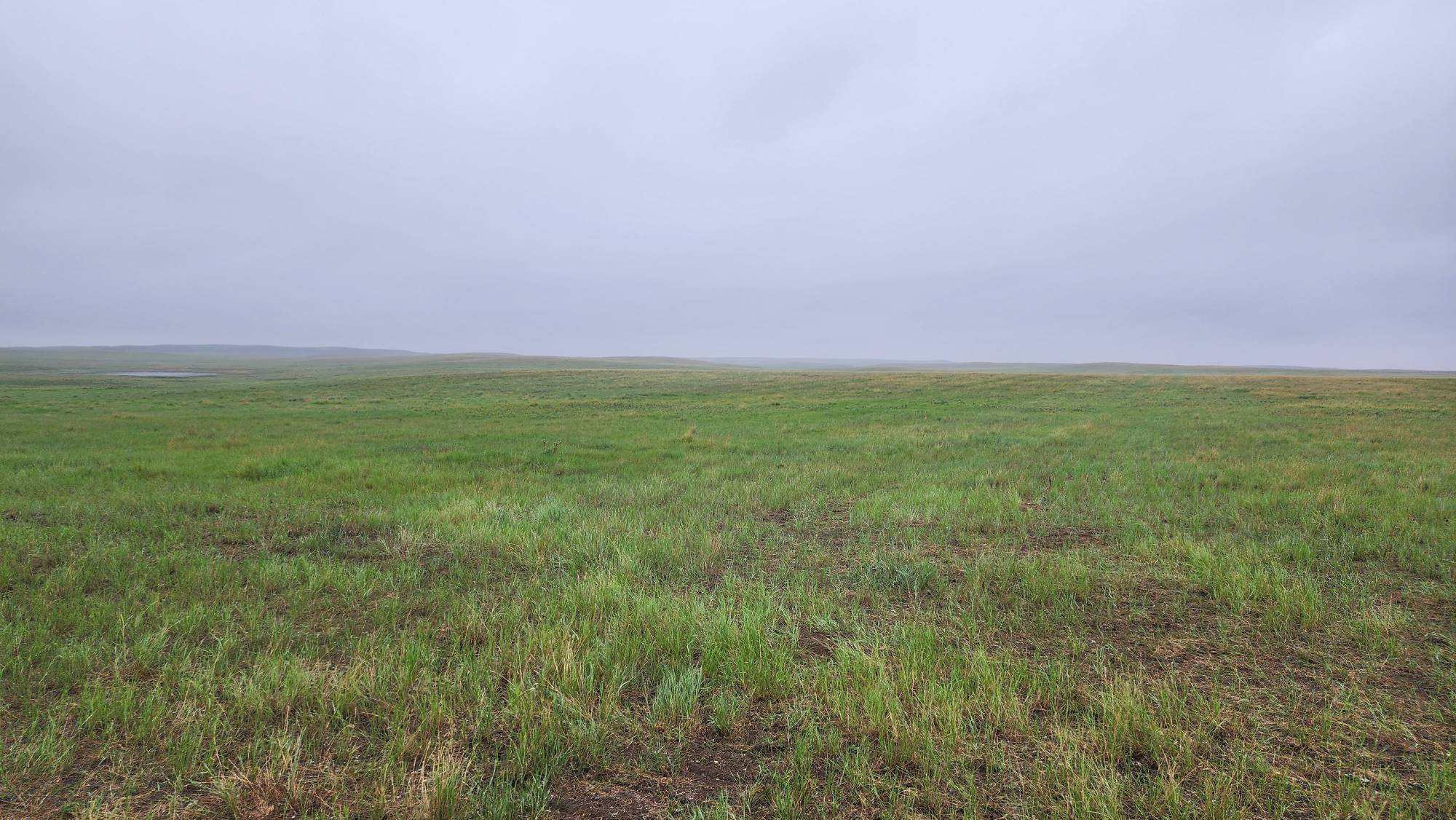
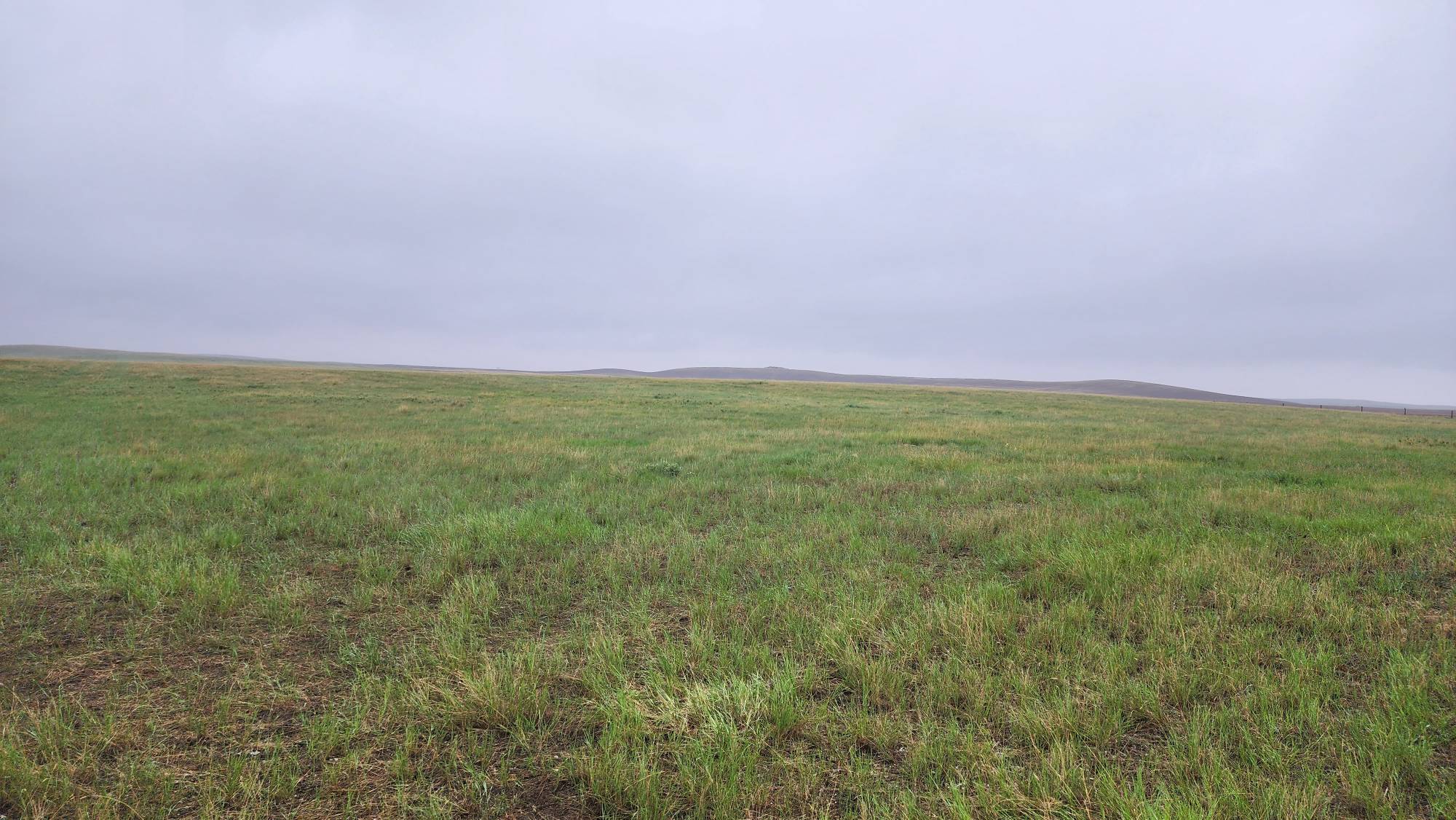
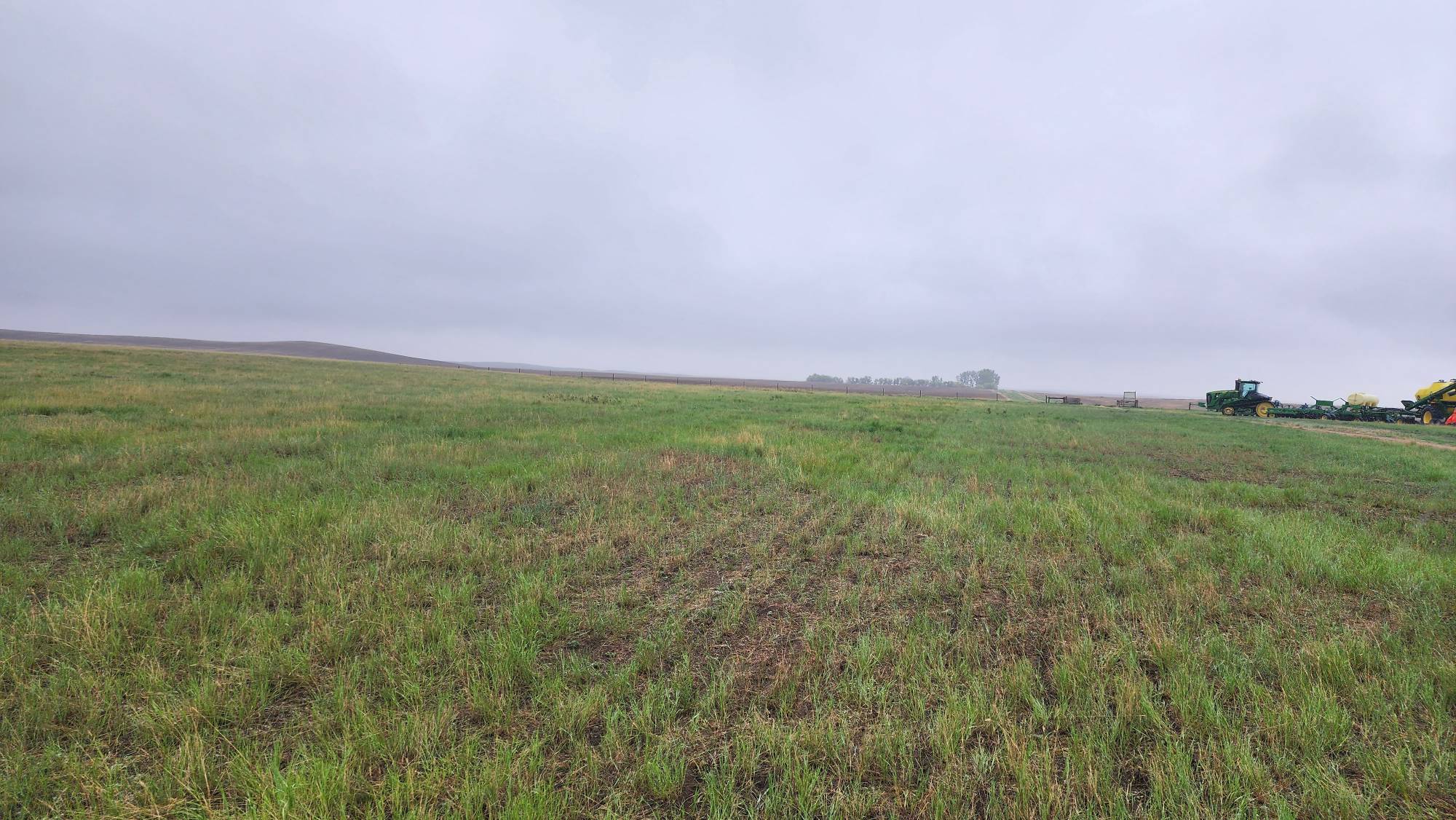
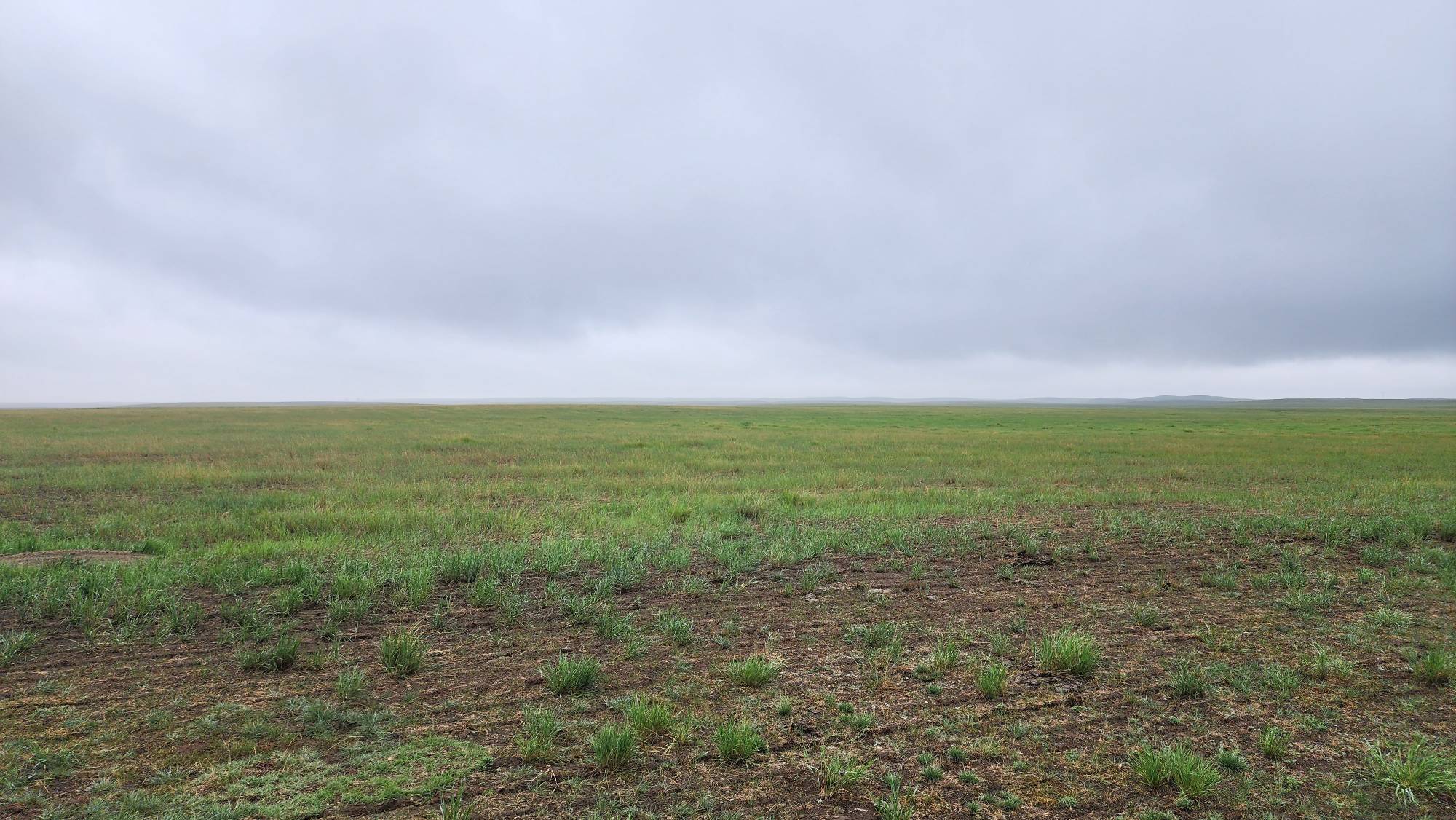
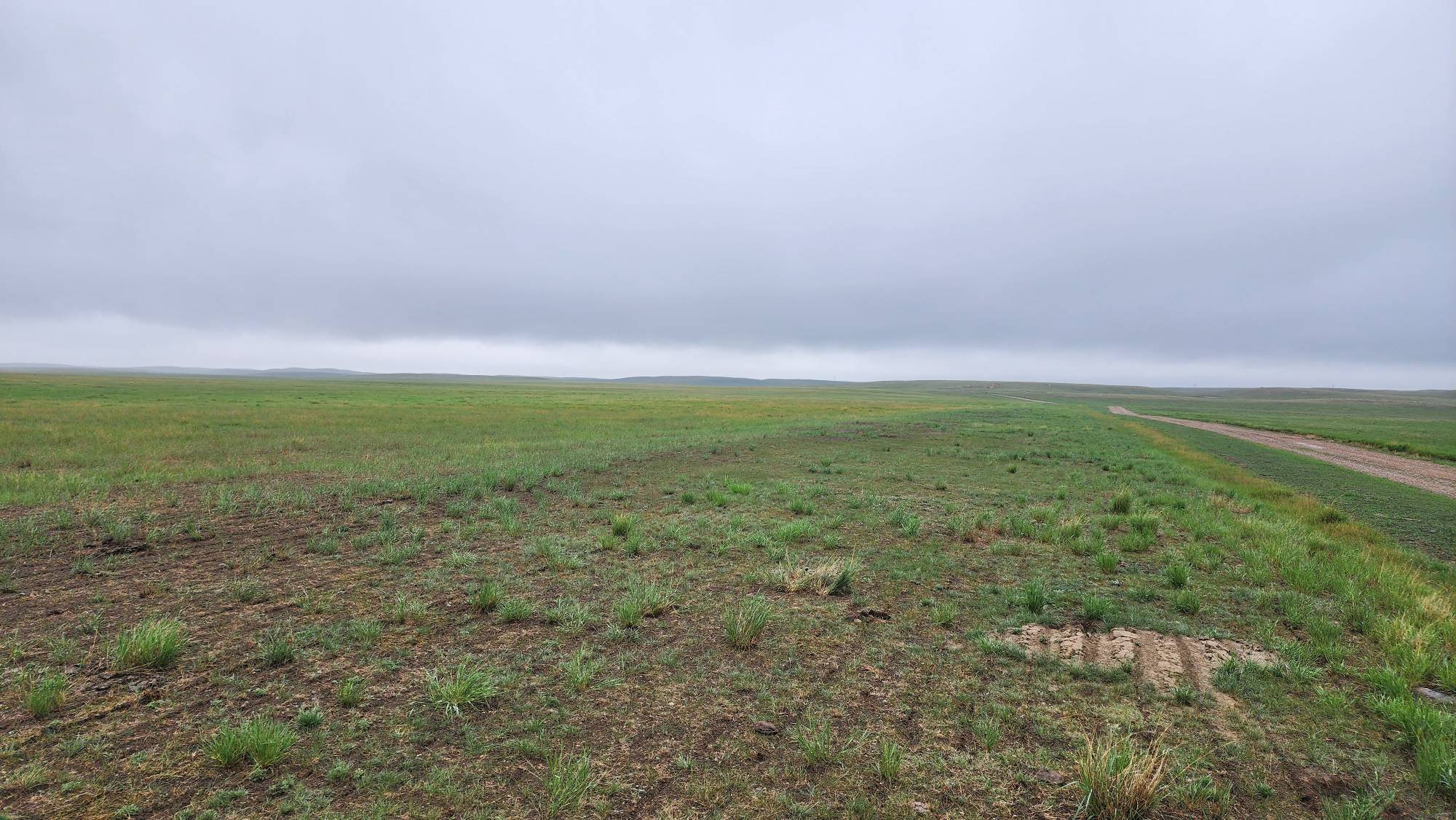
Native vegetation on the site includes short and mid-sized grasses and sedges, including needle-and-thread, western wheatgrass, and prairie Junegrass. The driest and most heavily grazed areas are dominated by blue grama and blunt sedges. Trees in the region are sparse but include trembling aspen, eastern cottonwood and wolf-willow. A variety of shrubs are present, including hoary sagebrush and wild rose.
There are several semi-permanent water sources as well as two larger saline waterbodies on the site; low areas and coulees support growth of trees and shrubs, offering snow catch opportunities and shelter for livestock.
The average annual precipitation in the region ranges from 240 to 350 millimetres. Summer temperatures average 16⁰C winter temperatures average -10⁰. Soils are predominantly dark brown chernozemic, with typical organic matter ranging from three to five per cent, playing an active role in carbon sequestration.
About the Pasture
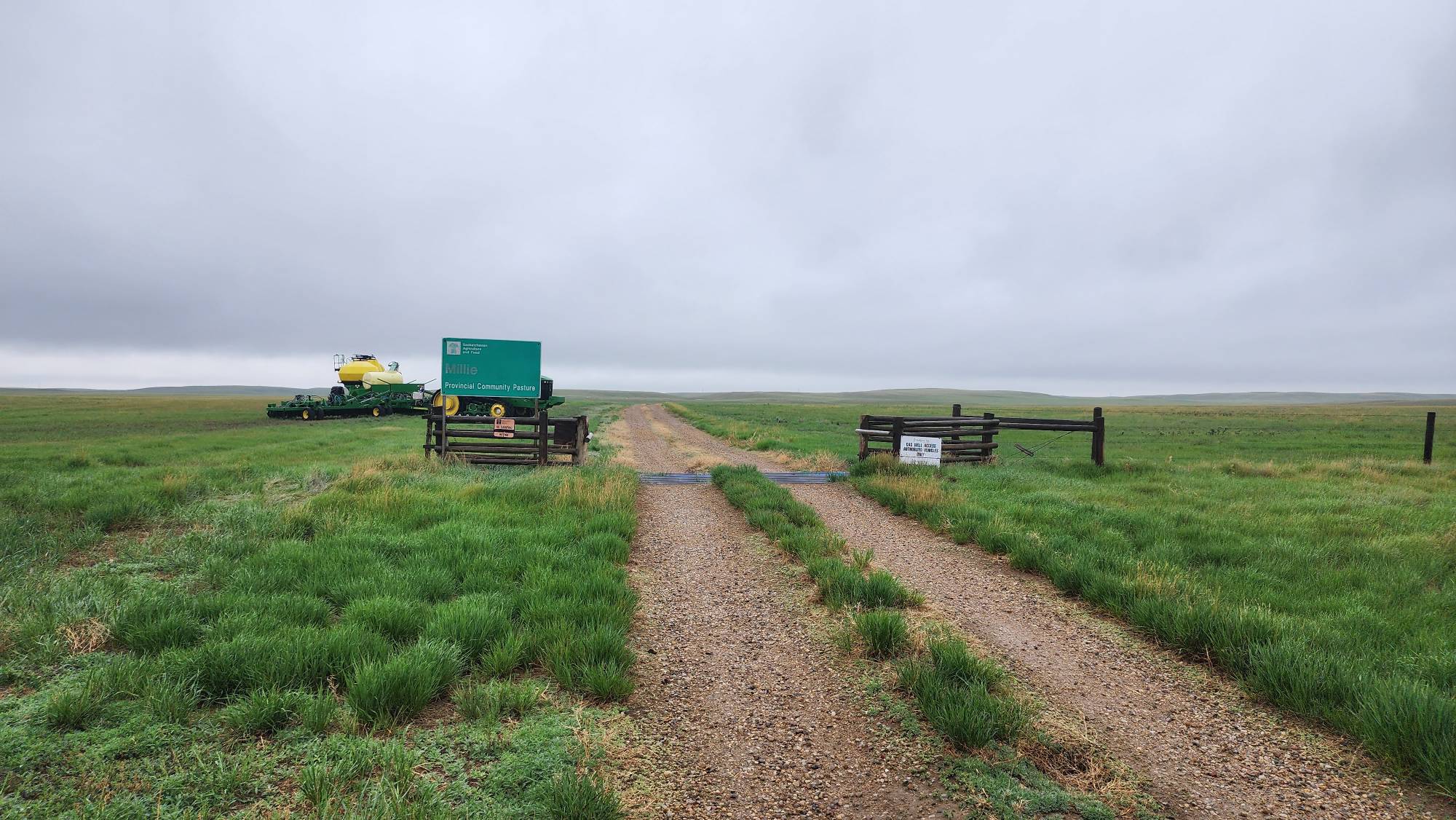
The Millie Community Pasture is leased by Saskatchewan Ministry of Agriculture to the Millie Grazing Co-operative. It is a large tract of land surrounded by Wildlife Habitat Protection Act (WHPA)-protected sandhills ecosystem. Totaling approximately 60,000 acres, the Pasture consists of a mix of native and tame grassland. The historic stocking rate has been 1400-1600 cow/calf pairs with approximately 60-70 patrons using the community pasture annually. In 2019, the Millie Grazing Co-operative reduced the stocking rate by 20% to account for reduced available forage resulting from ongoing drought. Crested wheatgrass is prevalent in the area; while valuable for spring grazing and tolerant of drought and light soils, it has resulted in a less productive pasture that provides little value to biodiversity and wildlife habitat.
Learning About Pasture Rejuvenation
Brett Wagner, director of the Millie Community Pasture Board, contacted CFGA about a rejuvenation project for the Millie Community Pasture. Wagner wanted to improve the productivity of the crested wheatgrass pasture and understood that sod-seeding could be an effective way to introduce new, more desirable species into the pasture stand. This project would serve as a learning opportunity for the community pasture’s patrons while improving pasture productivity and diversity. Rotational grazing had been implemented at the Millie Community Pasture before this project began.
Cattle were put on pasture May 30, 2022 and taken out by October 13, 2022. They rotated through the paddocks shown in Figure 2. Wagner wanted to explore the addition of cross-fencing the planned seeded area to provide more rest and recovery for the drought-stricken pasture.
The Rotational Grazing Objective
The rotational grazing design was developed by multiple community pasture directors, including Wagner, CFGA representatives and in consultation with the Ministry of Agriculture-Lands Branch. Three paddocks would be formed by installing cross-fences on the 640-acre pasture. The incoming pairs would utilize the pasture early in the season, following interseeding, in an effort to reduce the competitiveness of the crested wheat grass. Paddocks would be grazed once during the grazing season so favourable timing would be necessary to provide the best chance for the seedlings. The fencing design would control animal movement and prevent regrazing of actively growing plants. Plant regrowth and carryover would help protect light, erosion-prone soils impacted by livestock traffic.
Agronomic Details
Existing perimeter fencing prevented grazing during the establishment year, allowing new forage seedlings to allocate energy to root development and stand density rather than regrowth following repeated defoliation. Dividing the pasture into three parcels and seeding each with a separate blend created a functional rotational system for 2024–2025, improving rest–recovery intervals and enabling more even utilization once the new stands were ready to graze. Because the watering systems were already in place, livestock distribution across the new paddocks should be relatively uniform, reducing the risk of overuse in any single area.
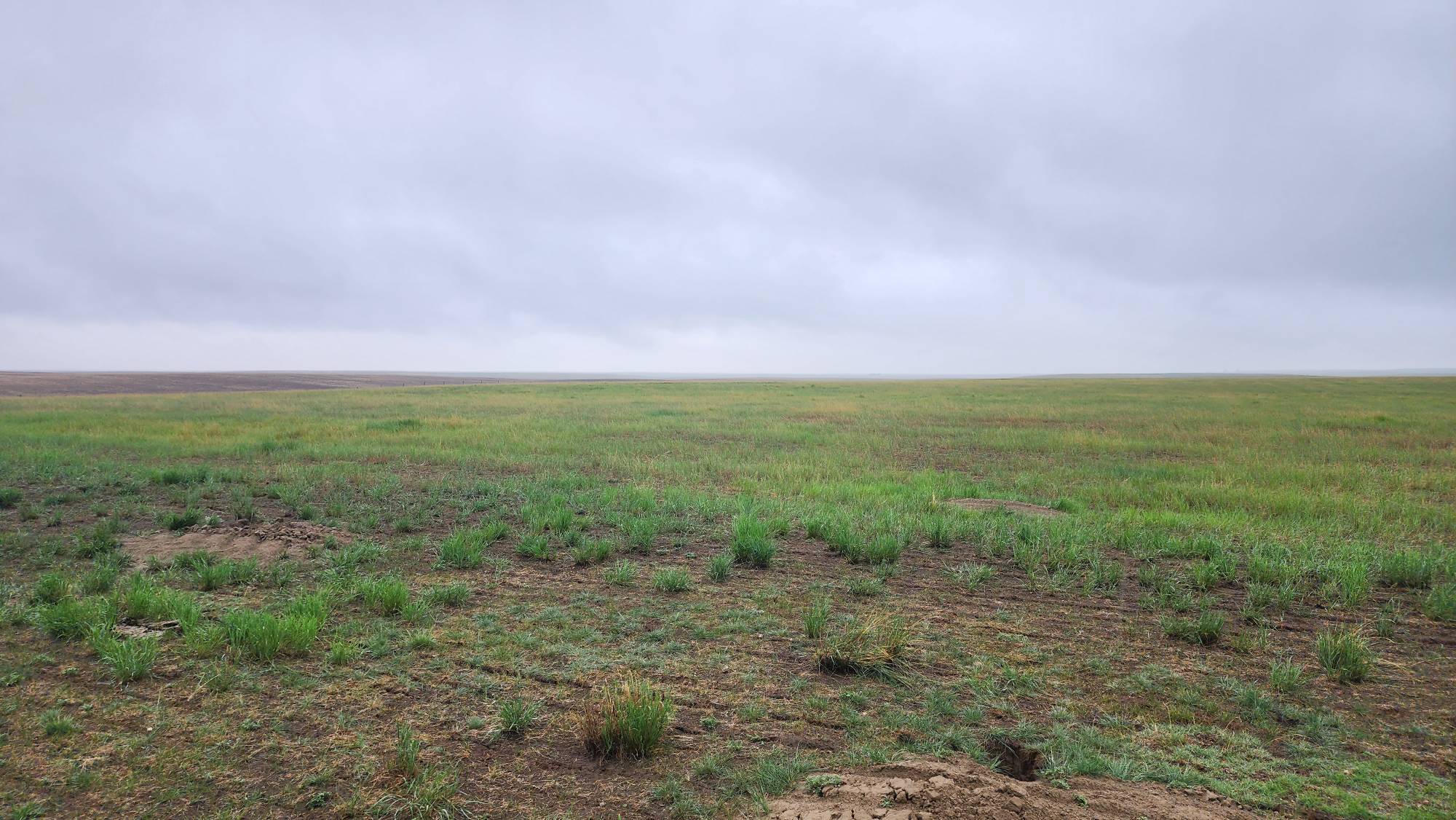
The project site is an older crested wheatgrass pasture bordering native short‑grass prairie. After decades in a single‑species, low‑input system, the stand has become relatively unproductive, with limited litter cover, shallow rooting, and reduced soil biological activity—conditions typical of long‑term crested wheat monocultures. Prior to the project, no fertility amendments, weed control, or mechanical rejuvenation were applied; the only management change was extending rest periods in an effort to rebuild vigor. While rest can improve plant carbohydrate reserves and ground cover, it rarely reverses the broader soil and species‑diversity limitations associated with aging crested wheat stands. Introducing new blends and implementing structured rotation would help increase forage quality, improve seasonal distribution, and gradually enhance soil function through greater root diversity and more consistent plant recovery.
Project Overview
Project Map
Approximately 640 acres of degraded crested wheatgrass pasture were sod-seeded across three quarter sections. Figure 1 shows the area of the Millie Community Pasture that is described as South Piapot, where the sod-seeding took place.
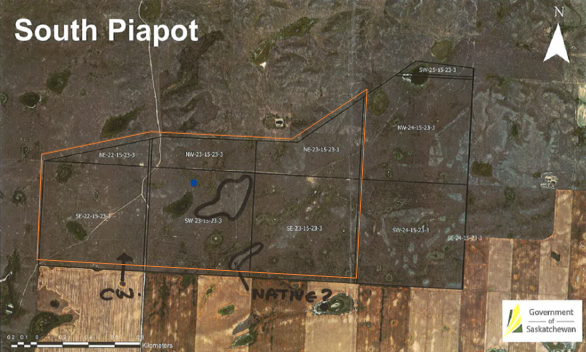
Figure 1. Map of the South Piapot area of the Millie Community Pasture. The quarters that were sod-seeded are outlined in orange on this map.
Short-Term Goals
This project aims to determine whether sod-seeding a legume-grass mix in Saskatchewan’s brown soil zone is an effective means of rejuvenating degraded crested wheatgrass pasture. Wagner will continue to survey the pasture stand for new seedlings for one to three years and determine the length of time required for sod-seeded plants to fully establish. A secondary goal is creation of additional paddocks to better control animal movement and provide more rest for the stand.
Long-Term Goals
Increasing the productivity and diversity of the crested wheat pasture stand will allow Millie Grazing Cooperative to increase the stocking rate over time. In addition, highly erodible soils will be protected by increased ground cover and reduced livestock impact.
Project Details
Approximately 640 acres were seeded on May 3, 2023, with a John Deere drill equipped with knife openers; on May 10 the area was cross-fenced and subdivided in three. This allowed three separate seed forage blends to be tested across the three parcels. The Ministry of Agriculture and local agriculture input dealer advised on development of the seed mix. In order to protect the surrounding native prairie and sensitive ecosystems, invasive and aggressive species were not included. The three seed mixes and their seeding rates are shown in the table below.
| Blend 1 | Blend 2 | Blend 3 | |||
| Actual lb/ac | Variety | Actual lb/ac | Variety | Actual lb/ac | Variety |
|
1 |
Alfalfa-Sidewinder | 1 | Alfalfa-Sidewinder | 2 | Alfalfa-Sidewinder |
| 3 | Meadow Bromegrass-AAC Maximus | 3 | Meadow Bromegrass-AAC Maximus | 3 | Meadow Bromegrass-AAC Maximus |
| 0.5 | Orchard Grass – High Arctic | 0.5 | Hybrid Bromegrass – AC Knowles |
0.5 |
Fescue – Creeping Red Common #1 |
| 1.5 | Sainfoin – AAC Mountainview | 1.5 | Fescue – Tall, soft leaf | 0.5 | Prairie Purple Clover |
| 0.5 | Wheatgrass – Intermediate | 0.5 | Wheatgrass – Pubescent Common #1 | 0.5 | Ryegrass – Perennial, Overdrive |
Table 1. Blend details
Shortly after seeding, the site received 0.75 inches of rain and seedling growth was evident. However, drought conditions returned for the remainder of the 2023 growing season and the seedlings soon desiccated and died. According to Climate Station data from Maple Creek, Saskatchewan, the area received half the average annual precipitation in 2023 (Government of Canada, 2025).
Reference
Government of Canada. 2025. Station Results - Historical Data - Climate - Environment and Climate Change Canada.
What’s Happening
2025 Update
The Maple Creek area received more favourable precipitation in 2024 and again in 2025. The project area was lightly grazed both years; however, few new seedlings were observed in the stand in 2025. Despite increased moisture, the seedlings that germinated in the initial year did not appear to establish successfully.
Agronomically, it is widely accepted that success with seeding forages, especially sod-seeding, is highly dependent upon adequate and timely moisture. There are no current plans to try to further improve the crested wheat pasture through sod-seeding. The Millie Community Pasture will continue rotational grazing, and the area will continue to be monitored for production increases as a result of this practice.
Additional Media
Funding for this project in part has been provided by Agriculture and Agri-Food Canada through the Agricultural Climate Solutions – On-Farm Climate Action Fund.