
Site Background
About the Location
The CJ Ranching Demonstration Site is located within the mid-boreal upland ecoregion near St. Walburg, Saskatchewan. This ecoregion extends from northwestern Ontario into the foothills of Alberta’s Rocky Mountains.
Dominant native vegetation includes trembling aspen, balsam poplar, white and black spruce and balsam fir. The understory varies, shrubs and herbs in the deciduous areas and feathermoss prevalent in the coniferous sections.
Grey Luvisolic soils are predominant, and topography is moderately rolling to hilly.
This region typically sees 400 to 550 millimetres of precipitation annually, as well as average summer temperatures of 13°C to 15.5°C and winters ranging from -13.5°C to -16°C.
About the Farm
Owned and operated by John and Deanne Chuiko and their children, Matt and Rylee, CJ Ranching consists of owned, rented and leased land. The home quarter is the original 1941 homestead of John’s grandfather and grandmother. The Chuikos run both cow/calf and long-yearling operations where they use and build forage genetics, mimicking mother nature as closely as possible.
CJ Ranching has already witnessed benefits of holistic planned grazing, including increased grazing days per acre, the natural establishment of plant species not planted in the paddocks, increased carrying capacity, greater drought tolerance and increased forage production.
Learning about Rotational Grazing
The Chuikos’ interest in holistic grazing was sparked many years ago by a Don Campbell article in Canadian Cattleman magazine. They began rotating cattle with electric fencing but didn’t fully understand the benefits of the practices initially.
In 2016, the Chuikos took their first Holistic Management course, enabling them to develop and implement a grazing plan. Today, they have a better understanding of soil function and the importance of recovery time and remain committed to moving their cattle to the right place, at the right time, for the right reasons.
The Rotational Grazing Objective
In the Chuikos own words, "Our vision of our future resource base includes abundant biodiversity of plants and animals with healthy, functioning ecosystems. From this thriving, diverse, healthy soil, we want to grow as much of our own nutrient-rich food as we can to feed our family."
Agronomic Details
The site includes 56 quarters of heavily forested rangeland leased from the Ministry of Agriculture. The Chuikos’ experience has shown that cattle preferentially graze the open areas, fence lines, trails and clearings before moving into the forest. Once the grass begins to regrow in the open areas, the cattle return, leading to overgrazing of these sites.
A Rangeland Health assessment conducted in 2022 found that the forested lease was healthy and scored 80/100. Signs of overgrazing due to uneven grazing distribution included a lack of tall shrubs in the canopy and small areas of bare soil and erosion along trails, with scentless chamomile and common tansy. Uneven grazing is common in forested areas because cattle prefer trails and open spaces, only briefly entering denser forest until forage regrows. This leads to overuse of open areas and trails and underuse of forested areas.
Project Overview
The Chuikos have partnered with the Saskatchewan Ministry of Agriculture, Saskatchewan Stock Grower’s Association, VENCE and Canadian Forage and Grassland Association (CFGA) to implement rotational grazing using GPS-enabled electronic collars for cattle.
Building fence in forested areas is challenging, often requiring equipment to clear fence lines and for ongoing maintenance, especially after severe weather. Using temporary fencing in vast areas can be impractical. VENCE sought a location to test their virtual collars and the Chuikos’ heavily forested leased land provided the perfect environment.
Grazing Plan
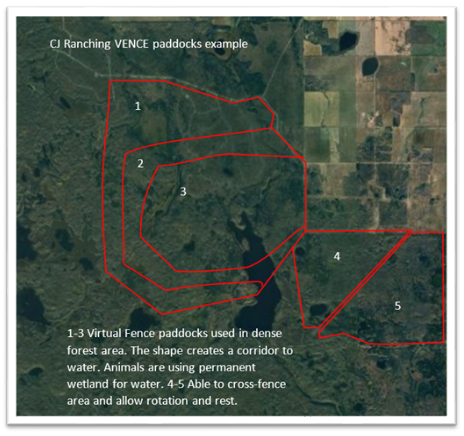
The project area is used for the main breeding herd during the summer months. The rest of the year, the herd is kept on tame perennial pasture. The Chuikos rotate the cows several times per week using a hot wire. The VENCE system will enable them to divide the forest area, control animal movement and encourage grazing in undisturbed areas. The establishment of virtual paddocks will prevent cattle from returning to previously grazed areas.
Short-Term Goals
This project aims to determine whether VENCE technology can be used to control animal movements and manage grazing pressure in forested areas with difficult terrain. A secondary goal is to determine whether virtual fence technology reduces grazing costs.
Long-Term Goals
The long-term goals of this project are to improve the overall health of the forested pastures, reduce erosion, and protect wetlands and sensitive areas that are currently overgrazed. Ideally, the project will demonstrate the utility of virtual fencing and serve as a stepping stone toward its implementation and use across the Canadian prairies. With greater demand and advances in technology, virtual fencing is expected to become widely available to producers.
Site Description
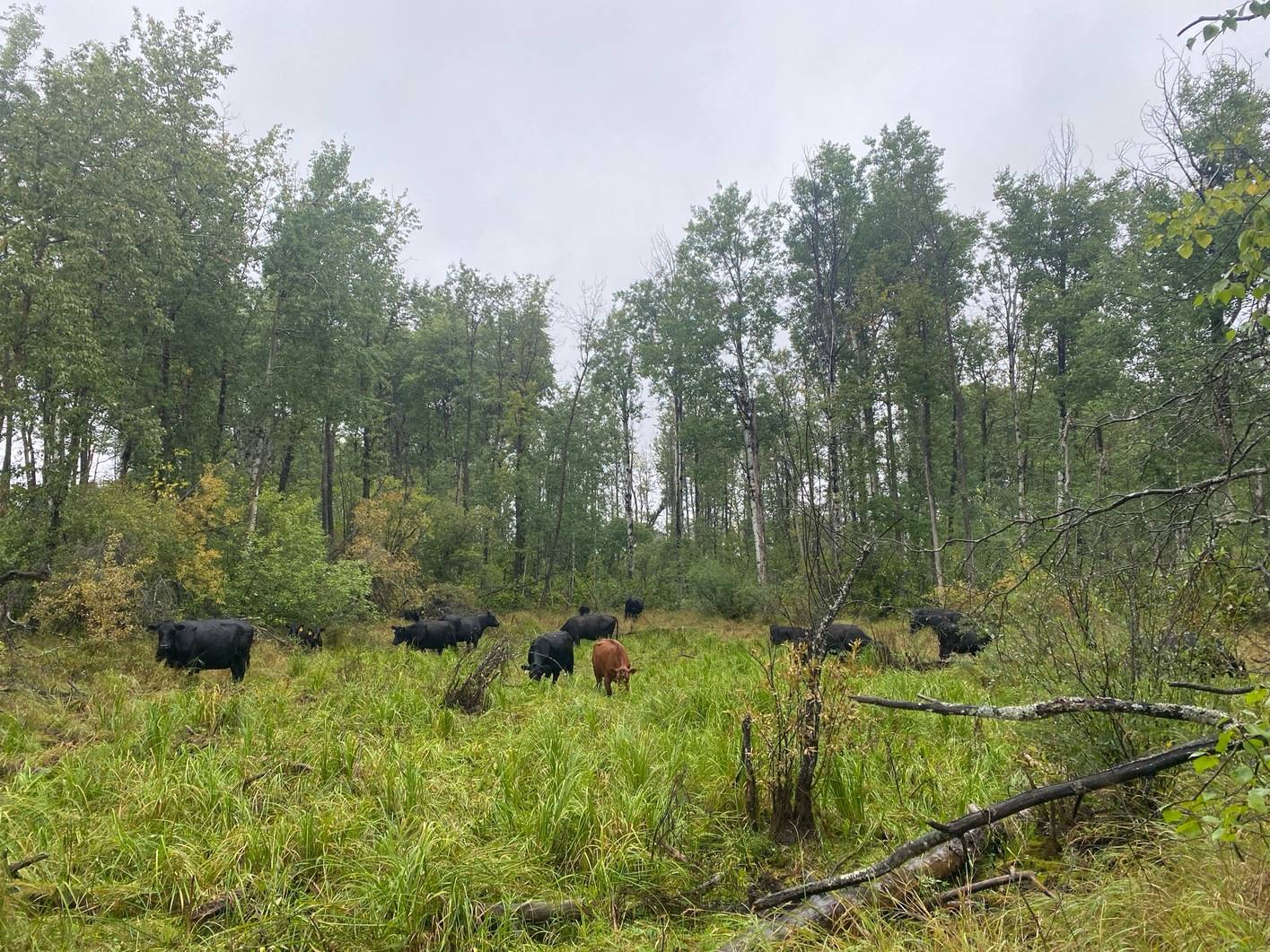
The project focused on using VENCE technology in the Chuikos’ dense forest lease. Terrain includes previously logged areas with thick aspen regrowth inaccessible to cattle, as well as bogs, fens and large open wetlands. Cattle don’t venture far from existing trails to graze understory grasses and forbs growing within spruce, fir and aspen forest.
Project Details
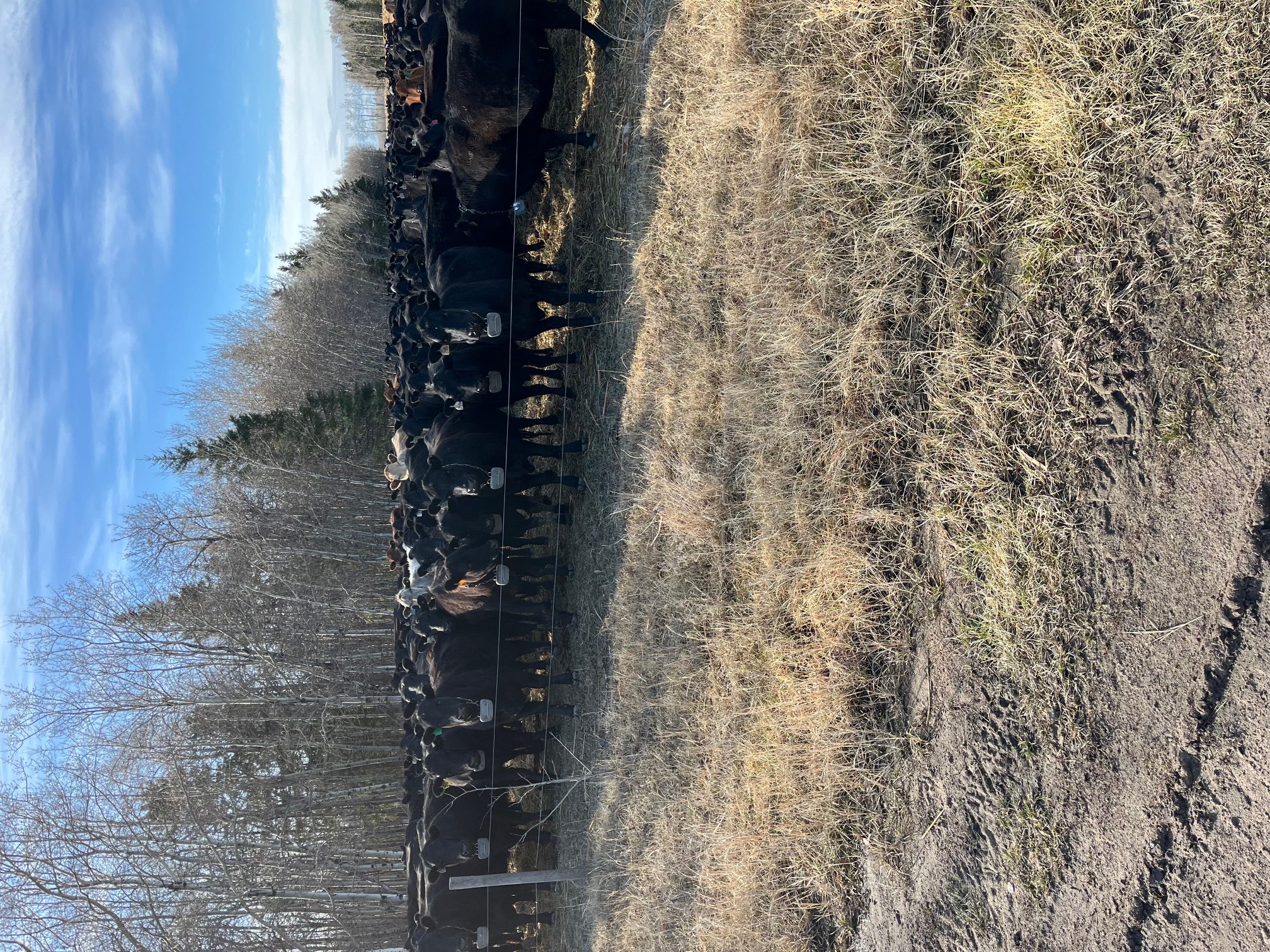
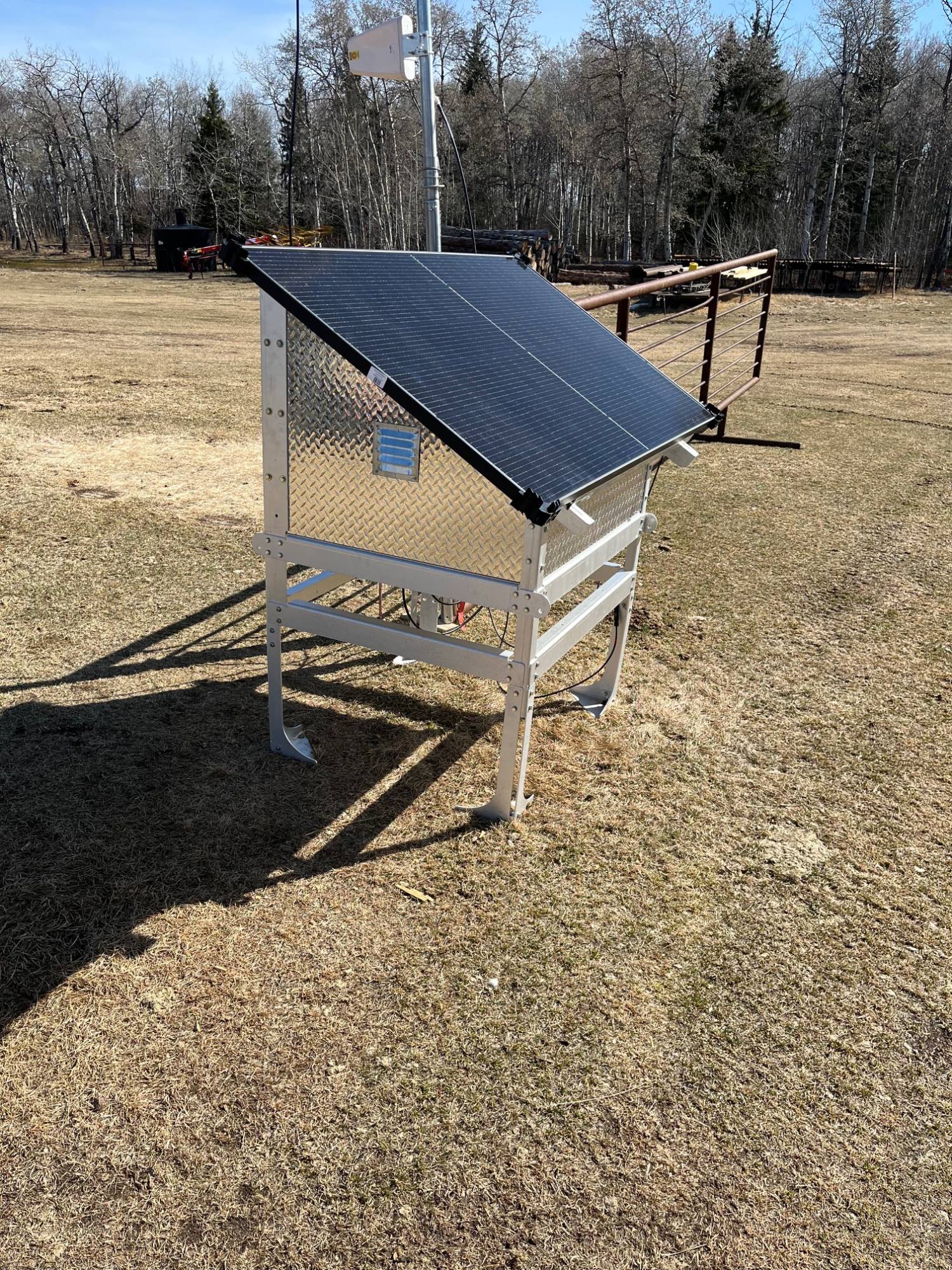
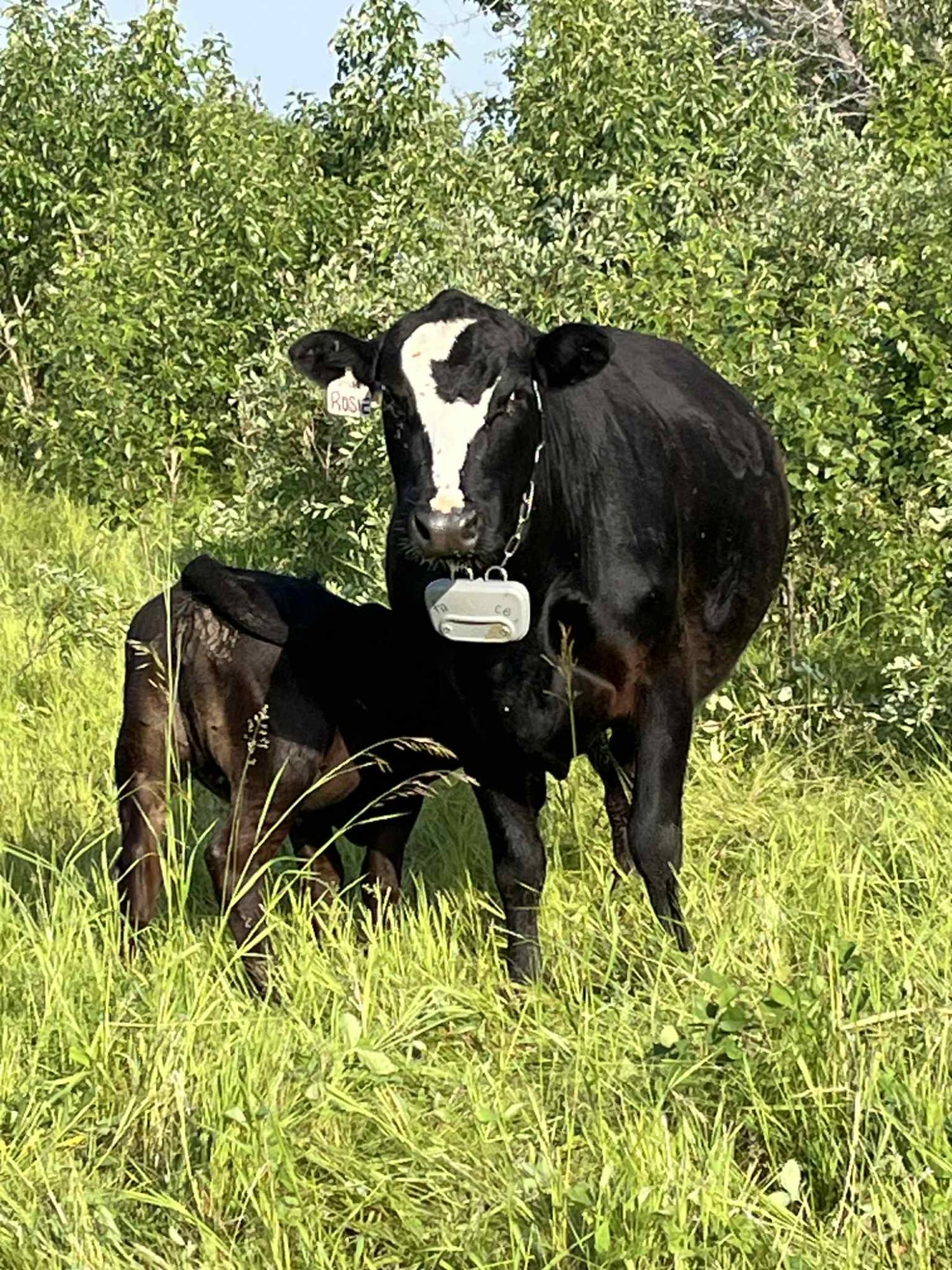
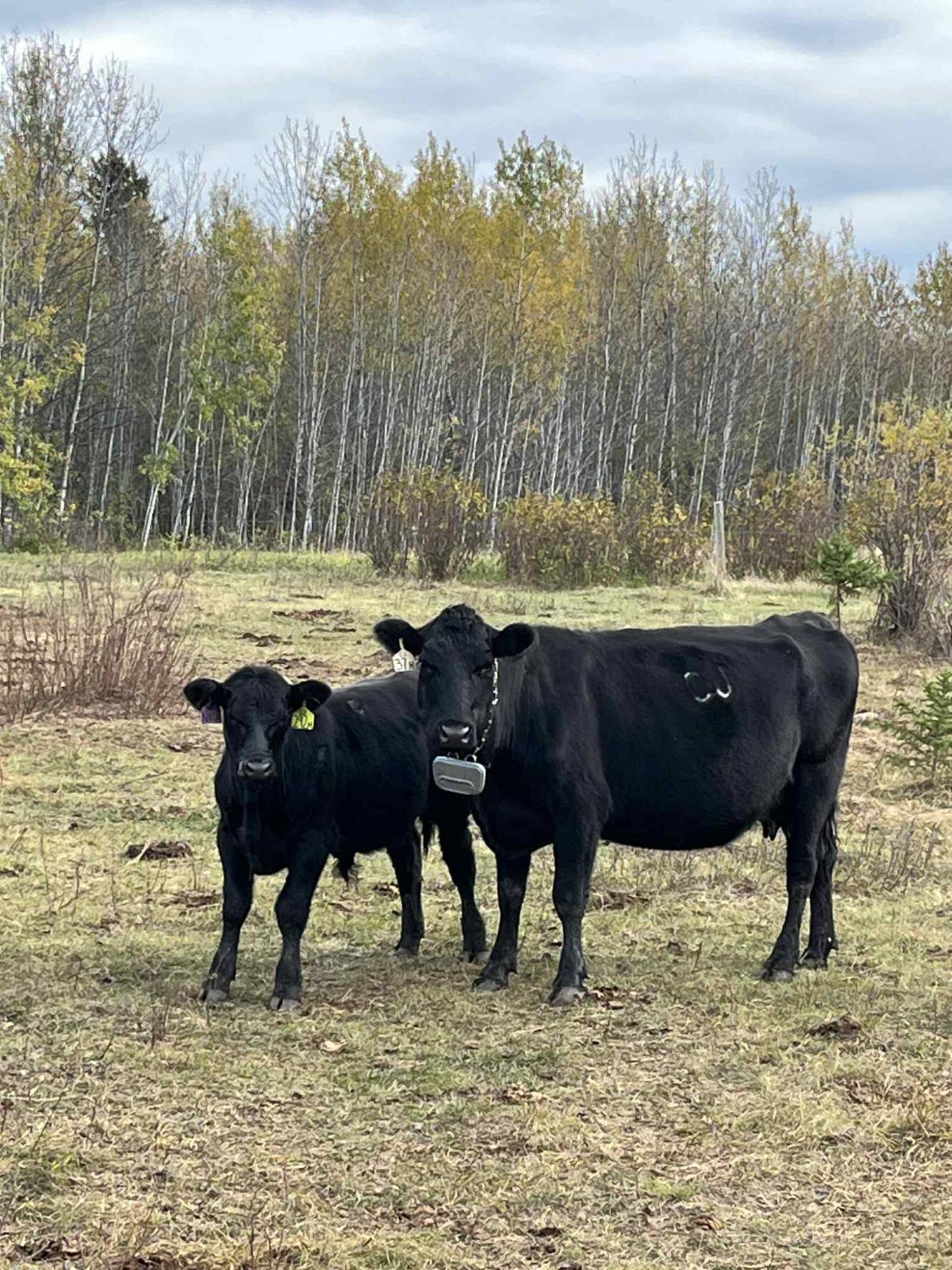
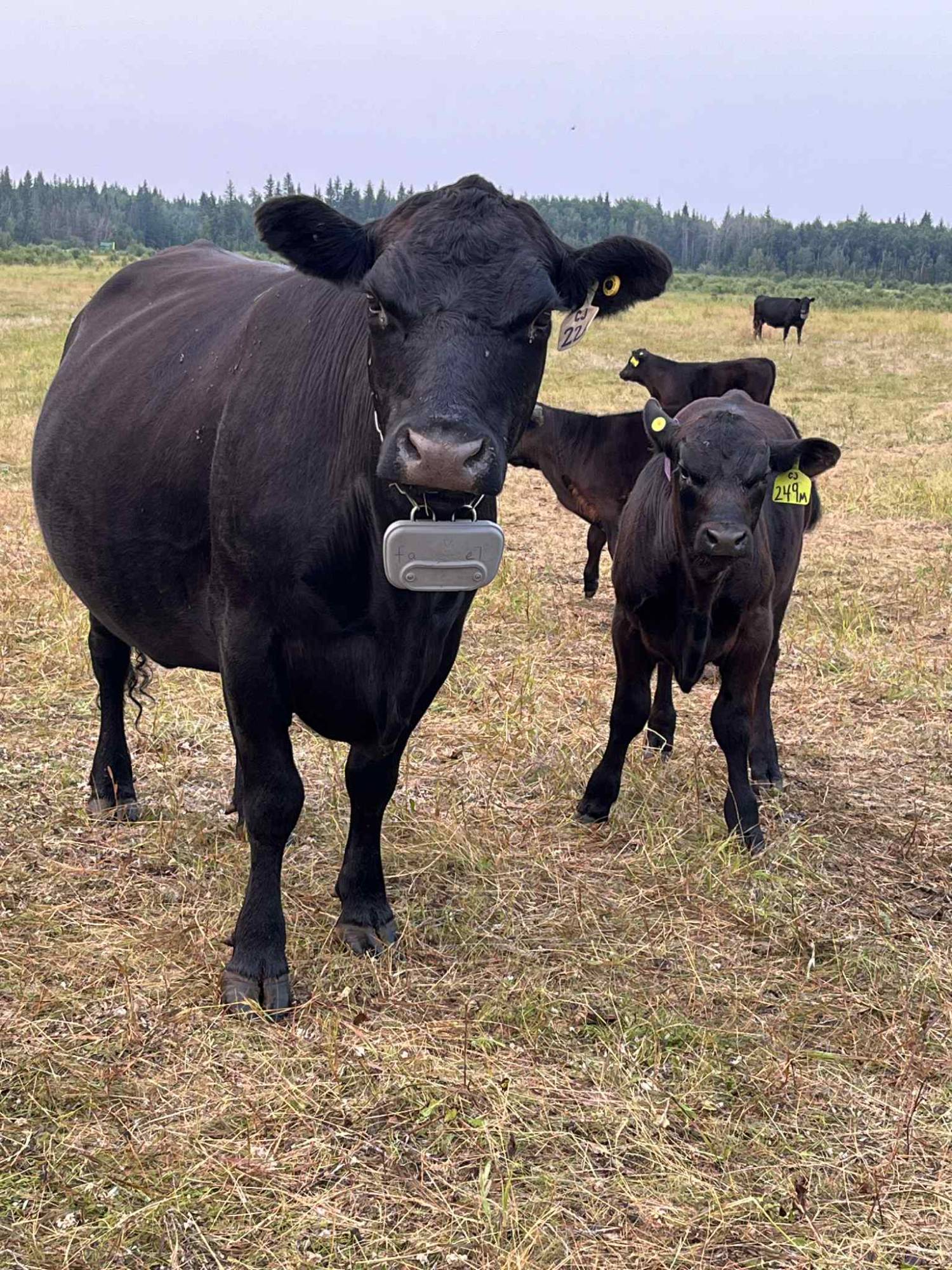
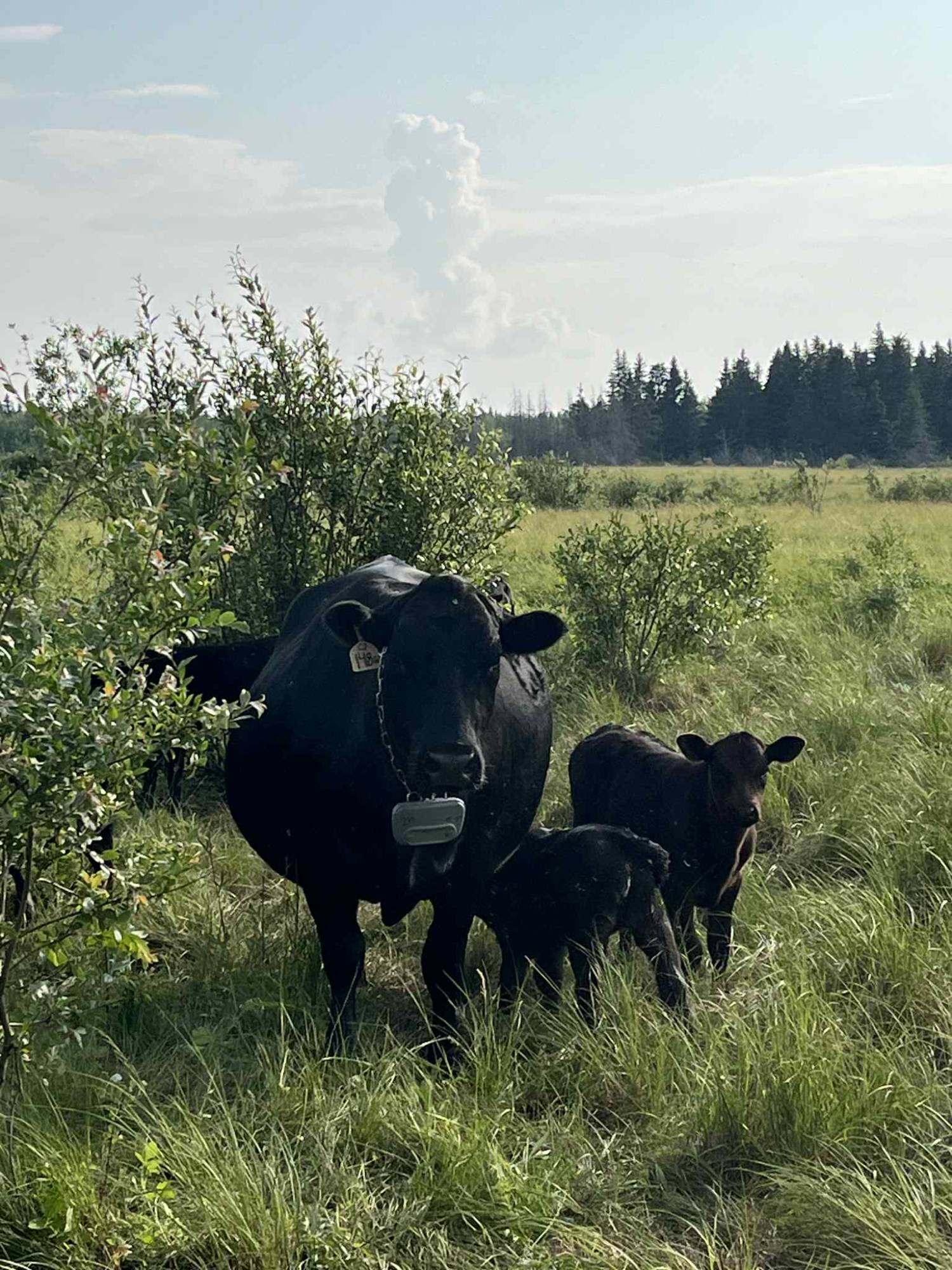
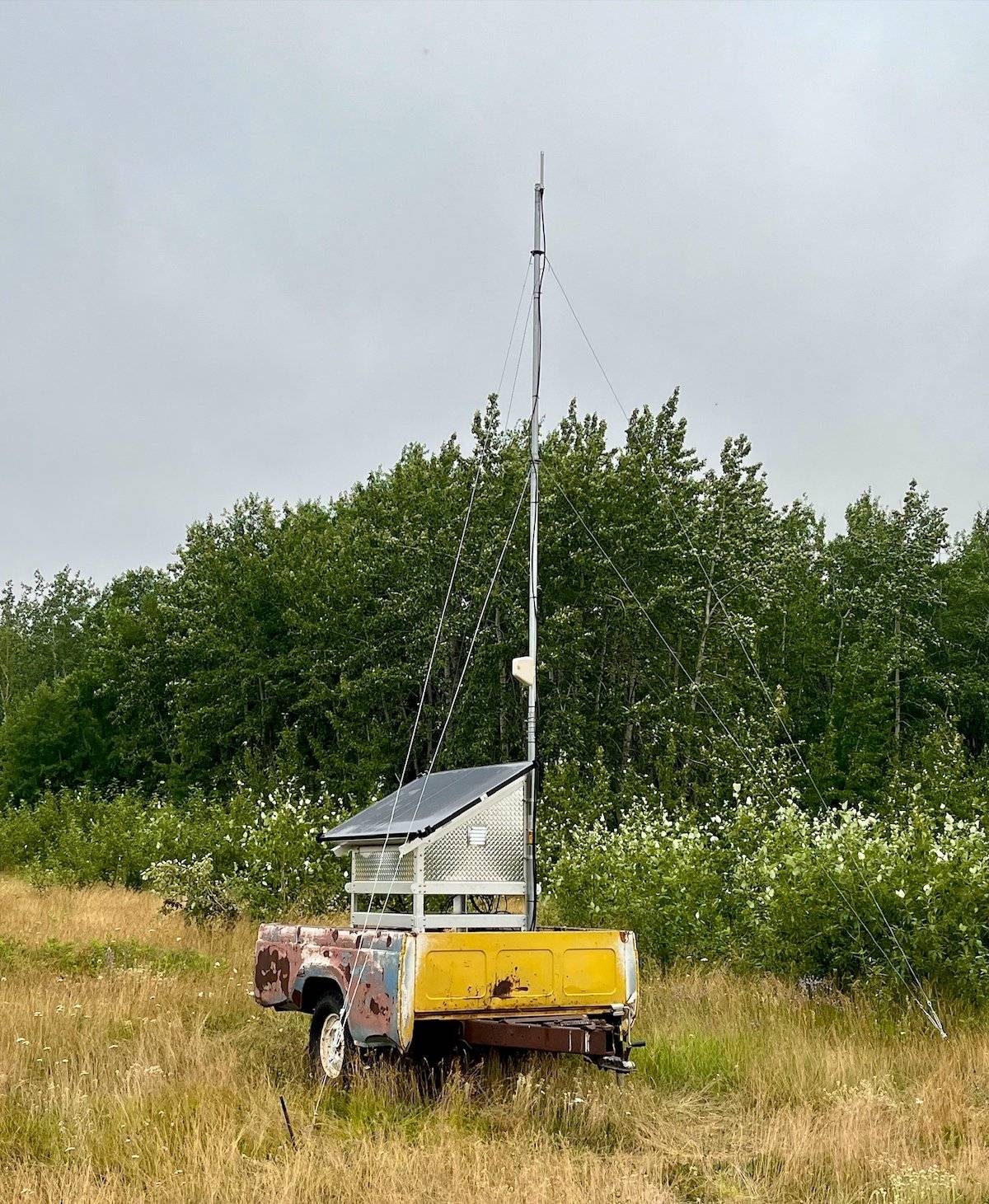
Building temporary fence in large, forested areas is not always feasible. VENCE virtual collars allow the Chuikos to manage their cattle remotely by creating and adjusting paddocks from their computer. These changes are transmitted to the base station and then relayed to the individual collars. The Chuikos received a base tower in November 2023, set it up in 2024, and began testing the VENCE technology that spring. Animals were trained in a nearby paddock and moved to pasture after four days. The signal from the single base station was found to be insufficient to cover the forested lease area; two more base stations were set up to alleviate the issue. Currently, the Chuikos use three mobile base stations and roughly 400 collars.
Many lessons were learned the first year: collars consume more energy communicating with the base station during frequent moves and this can shorten battery life. A total of 29 collars (7%) lost battery power before the end of the year.
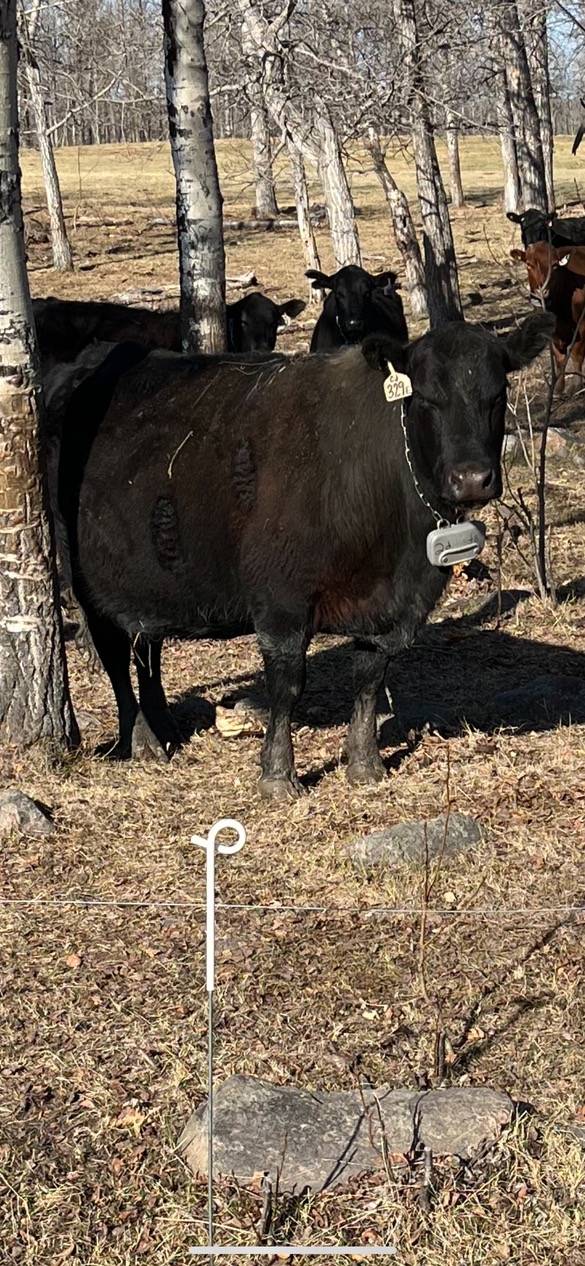
Other issues that arose in 2024 included collar susceptibility to water damage and variable retention of the collars by the cows. A total of 32 collars failed due to water damage associated with the design, which allows the device to sit in water while cows drink; VENCE is currently working to remedy this. Another 28 collars were lost or removed, most often due to cows rubbing against trees or other cows. The Chuikos felt they could tighten collars in future to minimize this issue.
Changes in forest range health are gradual and during this two-year project, very small improvements were observed. In the fall of 2024, grasses along the trails in the forest lease appeared taller and fuller and there were signs of more brush utilization. The maps provided by the VENCE technology confirmed animals utilized previously ungrazed areas.
What’s Happening
2025
In 2025, fewer collars lost battery power before the end of the season (17 collars in total) thanks to the Chuikos’ careful planning. However, more collars suffered water damage than in the previous year, highlighting the need for redesign. Despite concerns in 2024 that cattle might outgrow the collars or that they would not release if snagged, tightening the fit reduced losses to 8 collars (2%) in 2025.
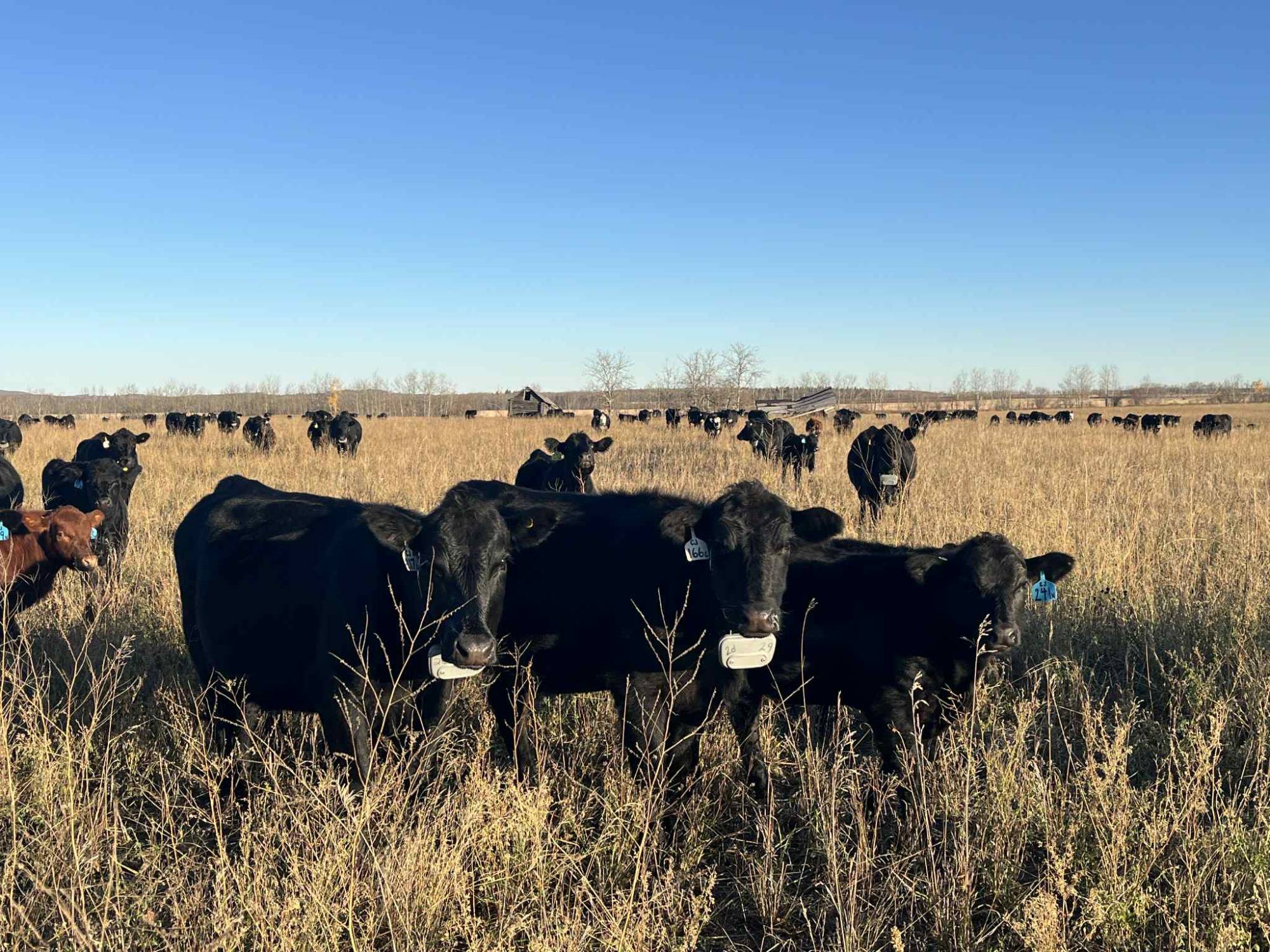
Chuikos began to explore many possibilities with the VENCE technology to sort and manage livestock. For example, they used the VENCE technology to easily perform a three-way sort on the herd of nearly 400 head. This passive sorting achieved the outcome equal to three days of effort from a multi-person crew, while keeping animal stress and infrastructure impact low. The same sorting premise also ensured multiple herds were able to access one large water source without mixing. Collars were also used to separate cull animals and direct them to the yard for shipping and to isolate bulls from the main herd once breeding was complete.
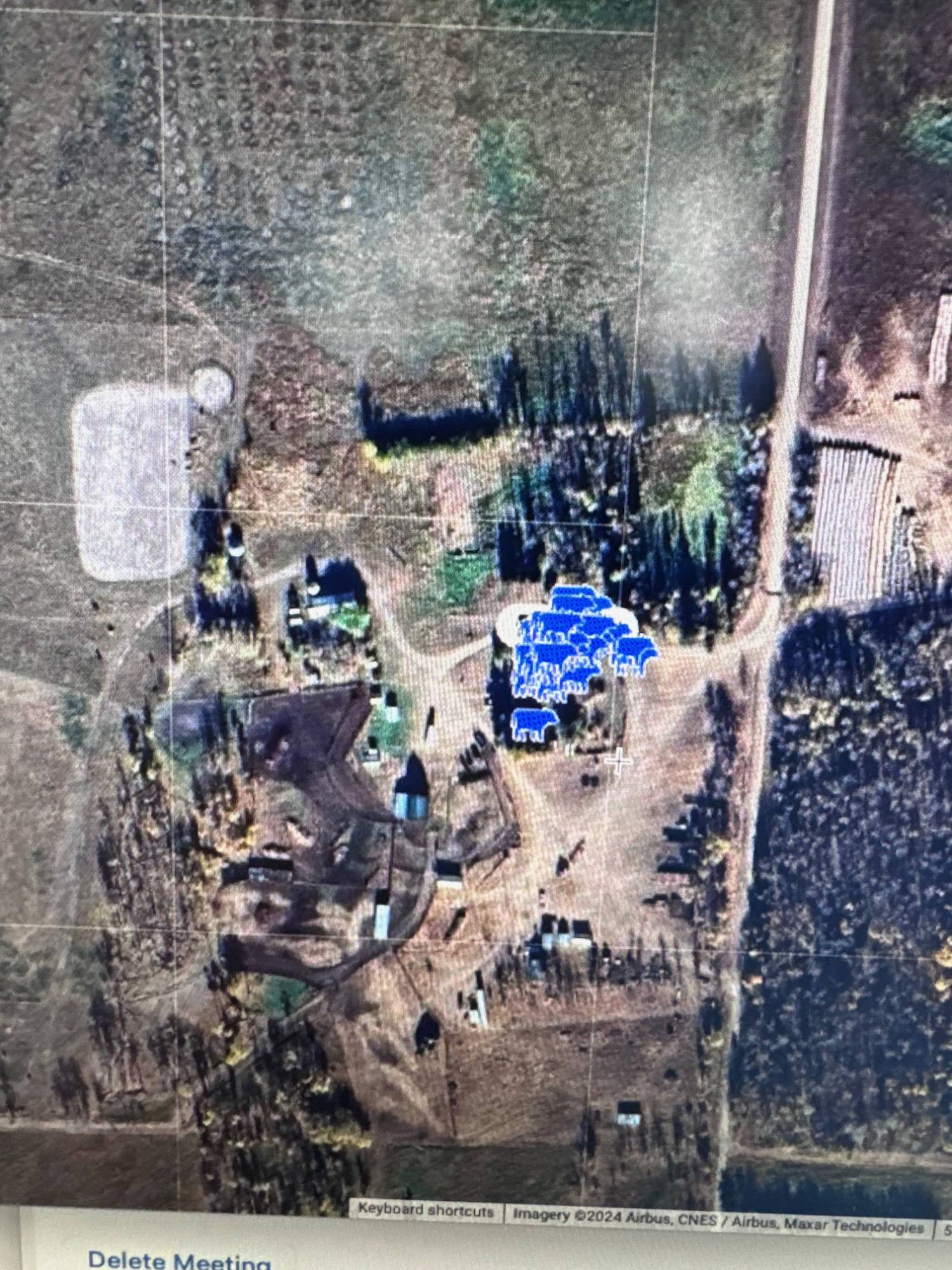
Earlier in 2024, management software was utilized to monitor and evaluate a predation incident. This transparency may assist producers in predicting and preventing predator issues and offer background information for insurance providers if producers need to submit a claim. CFGA plans to explore the impact on labour, time and stress after implementing virtual fencing technology into pasture and herd management purposes.
The Chuikos also found the virtual collars useful for excluding cattle from more sensitive areas, such as wetlands or sensitive habitats.
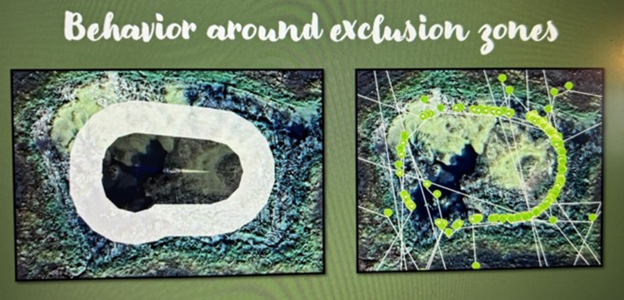
Example of an exclusion area taken from VENCE desktop app. The white line shows the virtual fence around a boggy wet area within an existing paddock. The green icons show the path of one animal exploring the excluded area but respecting the virtual fence.
The Chuikos are very happy with the performance of the VENCE system and believe that it is a cost-effective and viable option for their ranch. They are already seeing improvements in their forested lease land pastures due to better utilization and animal distribution. The Chuikos plan to continue using the VENCE system and take full advantage of all applications. Future pasture health assessments will evaluate the effectiveness of the virtual collars and rotational grazing on pasture health.
Additional Media
Funding for this project in part has been provided by Agriculture and Agri-Food Canada through the Agricultural Climate Solutions – On-Farm Climate Action Fund.