
The International Year of Rangelands and Pastoralists (IYRP) is marking each month with a unique theme and May’s theme is Biodiversity and Ecosystem Services. This theme offers an important moment to reflect on the essential role biodiversity and ecosystem services play in sustaining rangeland landscapes as well as the people who depend on them. These global themes resonate strongly here in Canada, where the Canadian Forage and Grassland Association (CFGA) and its partners continue to champion healthy forage systems, resilient grasslands and the communities who steward them.
Rangelands make up nearly 54 per cent of the world’s terrestrial surface, forming one of the planet’s most significant and ecologically rich biomes. Their biodiversity is deeply intertwined with the cultures, knowledge systems and livelihoods of pastoralist communities who have shaped these landscapes for generations. These connections echo across Canada’s own grassland regions, where Indigenous knowledge, producer leadership and community‑driven stewardship continue to guide conservation and land‑use decisions.
Pastoral and grazing‑based land management play a vital role in maintaining biodiversity and supporting the ecosystem services that sustain both people and landscapes. Healthy rangelands contribute to soil fertility, reduce wildfire risk, protect waterways and maintain the rich mosaic of plant, insect and wildlife species that define these ecosystems. Mobility, whether through traditional pastoral movement or modern rotational grazing, helps prevent overuse, supports watershed health and maintains the ecological processes grasslands rely on. In many regions around the globe, including mountainous areas, pastoralists also provide essential ecosystem services that benefit communities far beyond the landscapes they manage.
These global connections are reflected in Canada’s forage and grassland systems. Producers across the country use adaptive grazing, rotational systems and thoughtful land management to support biodiversity while strengthening their own operations. Through training programs, demonstration sites, knowledge hubs and national partnerships, the CFGA works to advance these practices and ensure producers have access to the tools, research and support they need. By helping producers adopt advanced grazing systems, improve forage performance and protect native and tame grasslands, the CFGA contributes directly to the biodiversity and ecosystem services that rangelands provide.
Biodiversity also supports producer and pastoralist livelihoods in tangible ways. Wild foods, medicinal plants, building materials and other natural resources contribute to food security, cultural continuity and local economies. Rangelands are multifunctional landscapes and their value extends far beyond forage production. Recognizing women’s leadership, youth engagement and equitable access to biodiversity is essential to sustaining these systems for future generations, an approach that aligns closely with the CFGA’s commitment to inclusive, community‑based stewardship.
Pastoralism and biodiversity reinforce one another when landscapes remain connected and unfragmented. Protecting wildlife corridors, preventing land conversion, supporting coexistence between livestock and wildlife and ensuring fair benefit‑sharing from conservation initiatives all contribute to stronger, more resilient ecosystems. In Canada, these same principles guide efforts to protect grassland habitats, conserve species at risk and maintain the ecological integrity of working landscapes.
As we mark the IYRP theme for May – Biodiversity and Ecosystem Services – the CFGA celebrates the global recognition of rangelands and the people who care for them. These conversations also reinforce the importance of Canada’s own grassland stewards – producers, Indigenous communities, researchers, advisors and partners – whose knowledge and leadership continue to shape the future of these vital ecosystems. By supporting biodiversity, strengthening ecosystem services and championing sustainable grazing practices, the CFGA remains committed to advancing a resilient, thriving forage and grassland sector for generations to come.
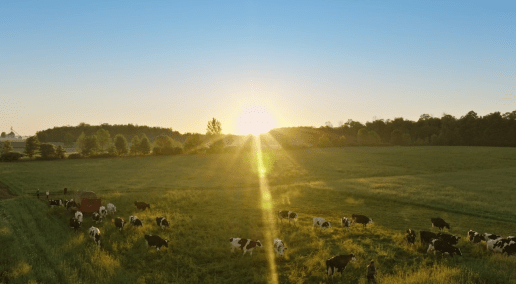
CFGA Partner Spotlight: Dairy Farmers of Canada
May 1, 2023
The Canadian Forage and Grassland Association is pleased to have Dairy Farmers of Canada (DFC) as an annual partner.
Read Article
Leave a Comment